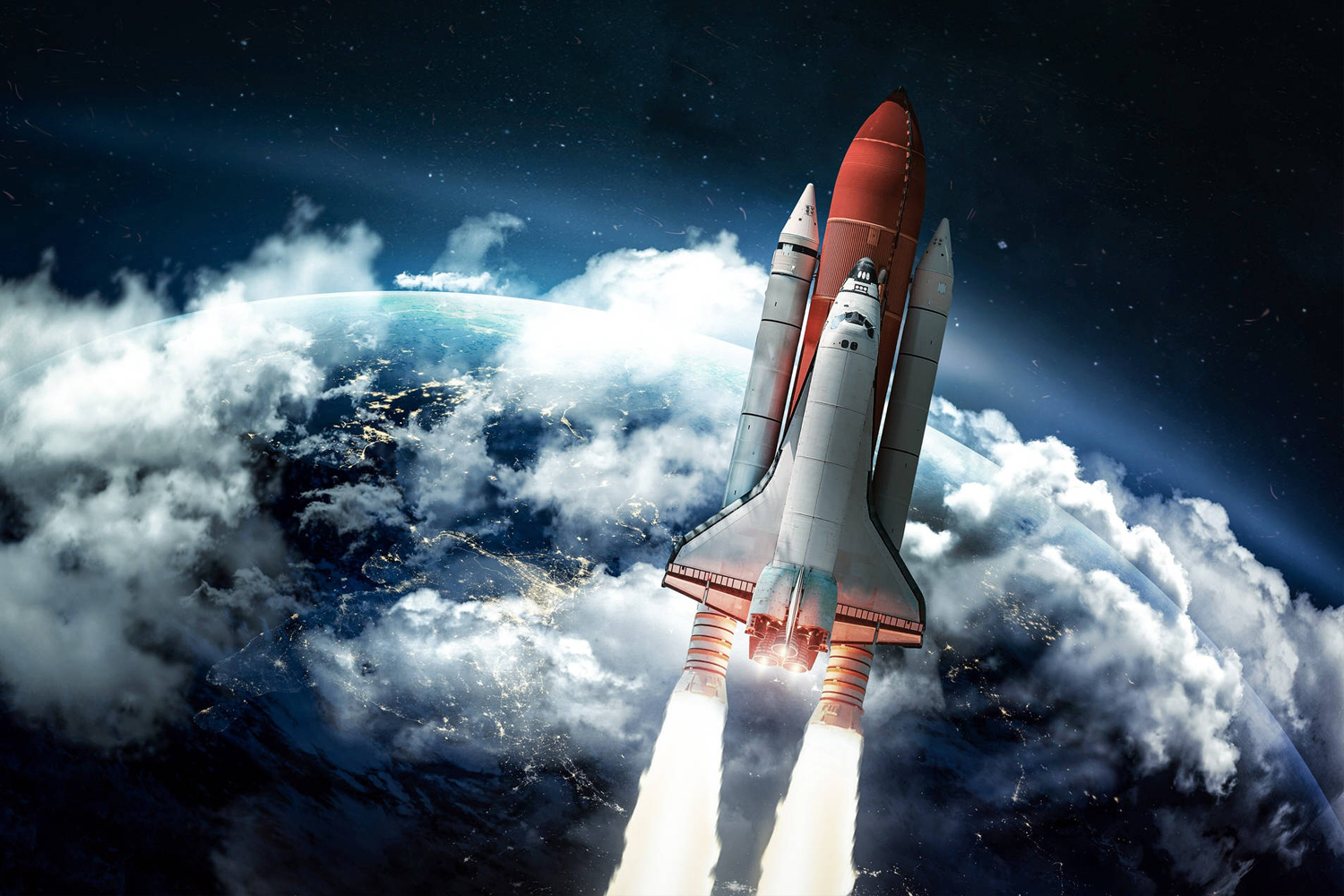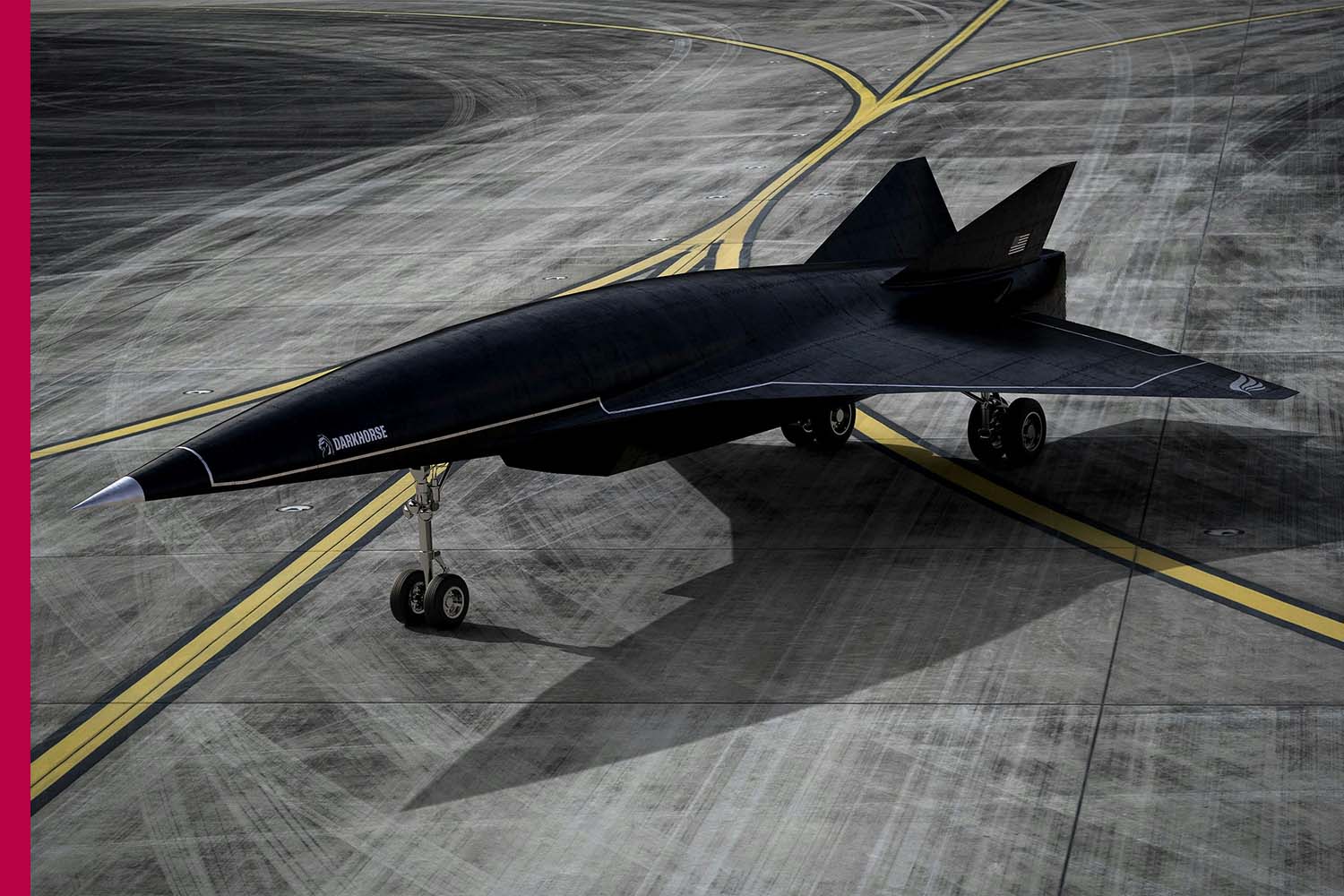



Space tourism, once a concept confined to science fiction, is rapidly becoming a reality as private companies push the boundaries of commercial space travel. Organizations like SpaceX, Blue Origin, and Virgin Galactic are leading the way in offering civilians the opportunity to experience space. While the idea of traveling beyond Earth is exciting, it comes with significant costs, inherent risks, and long-term potential that could redefine the future of travel.
One of the biggest barriers to space tourism is its high cost. Tickets for suborbital flights can range from hundreds of thousands to millions of dollars per passenger. For example, early commercial flights offered by companies like Virgin Galactic have been priced in the range of $250,000 or more. Orbital missions, which involve traveling further into space and staying longer, can cost tens of millions. These high prices limit accessibility to a small group of wealthy individuals, making space tourism an exclusive experience for now. However, as technology advances and competition increases, costs are expected to gradually decrease over time.
Despite the excitement, space tourism carries considerable risks. Space travel involves extreme conditions such as high acceleration forces, exposure to radiation, and the challenges of operating in a microgravity environment. Even with rigorous safety protocols, the possibility of technical malfunctions or accidents cannot be entirely eliminated. The history of space exploration has shown that failures, although rare, can have serious consequences. Ensuring passenger safety requires continuous innovation, strict testing, and adherence to high engineering standards.
Health risks are another concern for space tourists. The human body is not naturally adapted to space conditions, and even short trips can cause physical stress. Effects such as motion sickness, changes in blood circulation, and temporary disorientation are common. For longer missions, issues like muscle loss and bone density reduction may arise. As a result, potential space tourists often undergo medical screenings and pre-flight training to prepare for the journey.
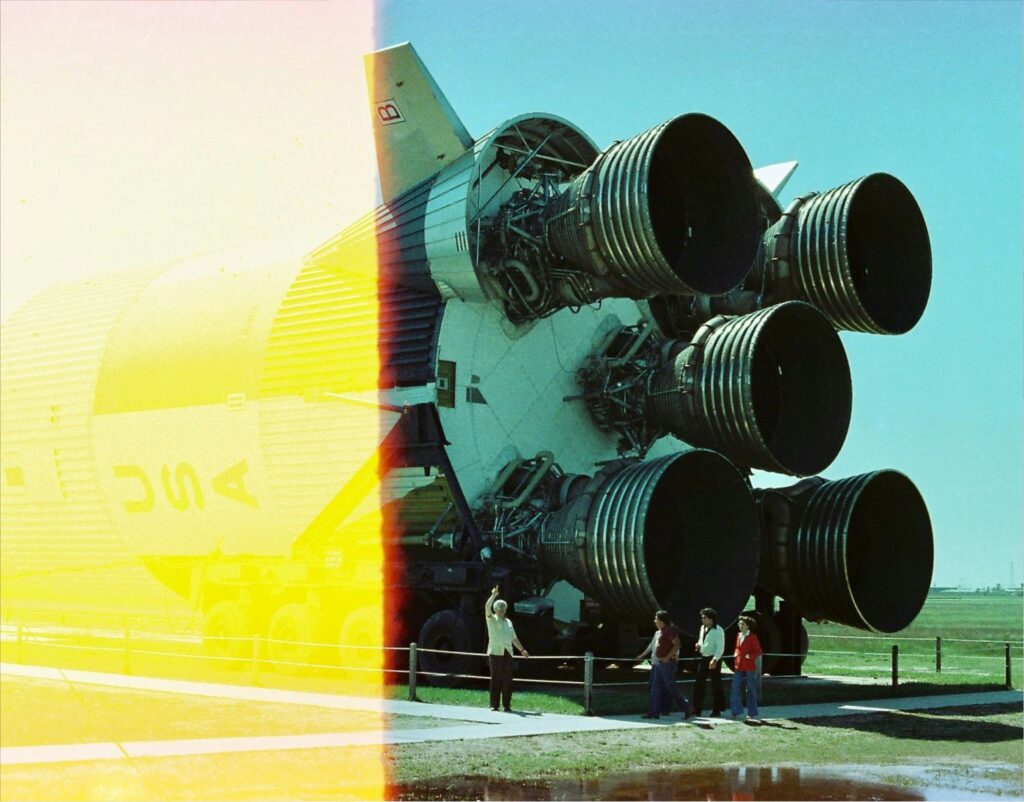
Environmental impact is also an emerging issue in space tourism. Rocket launches produce emissions that can affect the atmosphere and contribute to environmental concerns. As the number of launches increases, the industry will need to develop more sustainable technologies and practices to minimize its ecological footprint. Balancing innovation with environmental responsibility will be critical for the long-term success of space tourism.
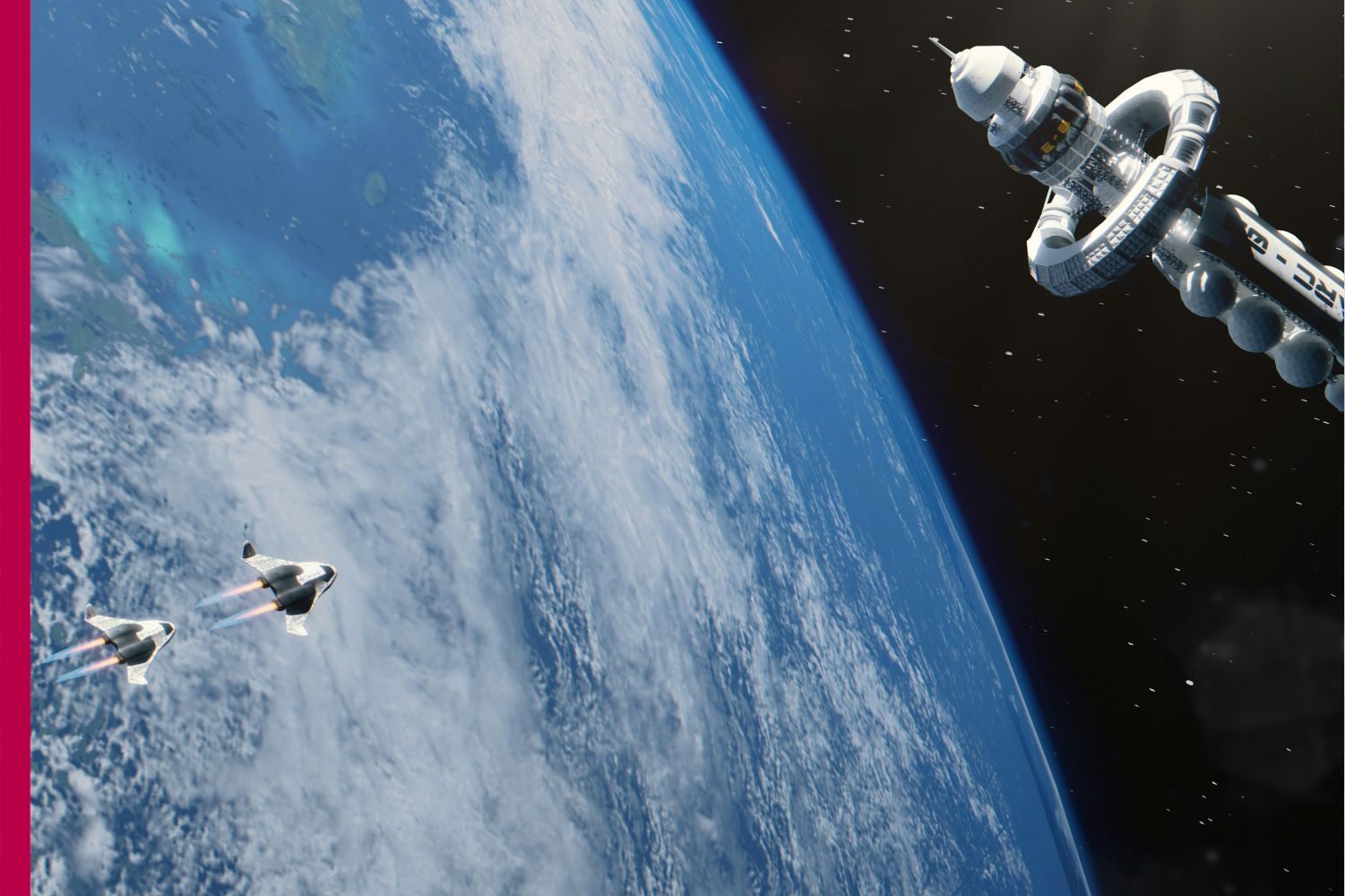
Looking ahead, the future potential of space tourism is vast. As technology evolves, space travel could become more accessible to a broader population. Concepts such as space hotels, lunar tourism, and even interplanetary travel are being explored. Companies like SpaceX are working on spacecraft designed for longer missions, which could eventually enable travel to destinations like the Moon or Mars.
Space tourism also has the potential to drive innovation across multiple industries. Advances in aerospace engineering, materials science, and life-support systems developed for space travel can have applications on Earth. Additionally, the growing interest in space tourism may inspire a new generation of scientists, engineers, and explorers.
In conclusion, space tourism represents a bold step forward in human exploration, offering exciting opportunities alongside significant challenges. While high costs and safety risks remain barriers, ongoing technological advancements and industry growth suggest a future where space travel could become more common. As the industry evolves, it holds the promise of transforming how humanity experiences and understands the universe.