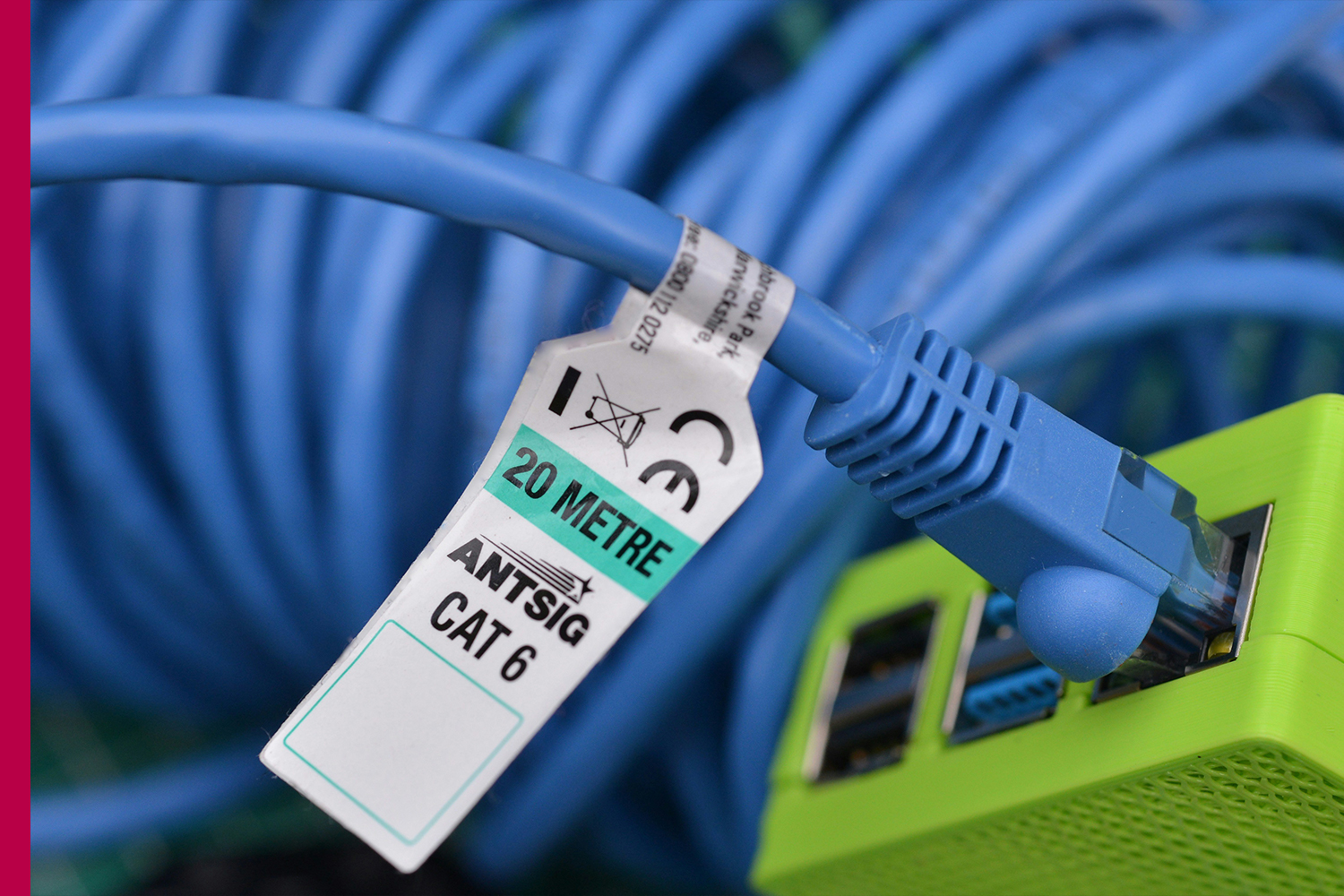

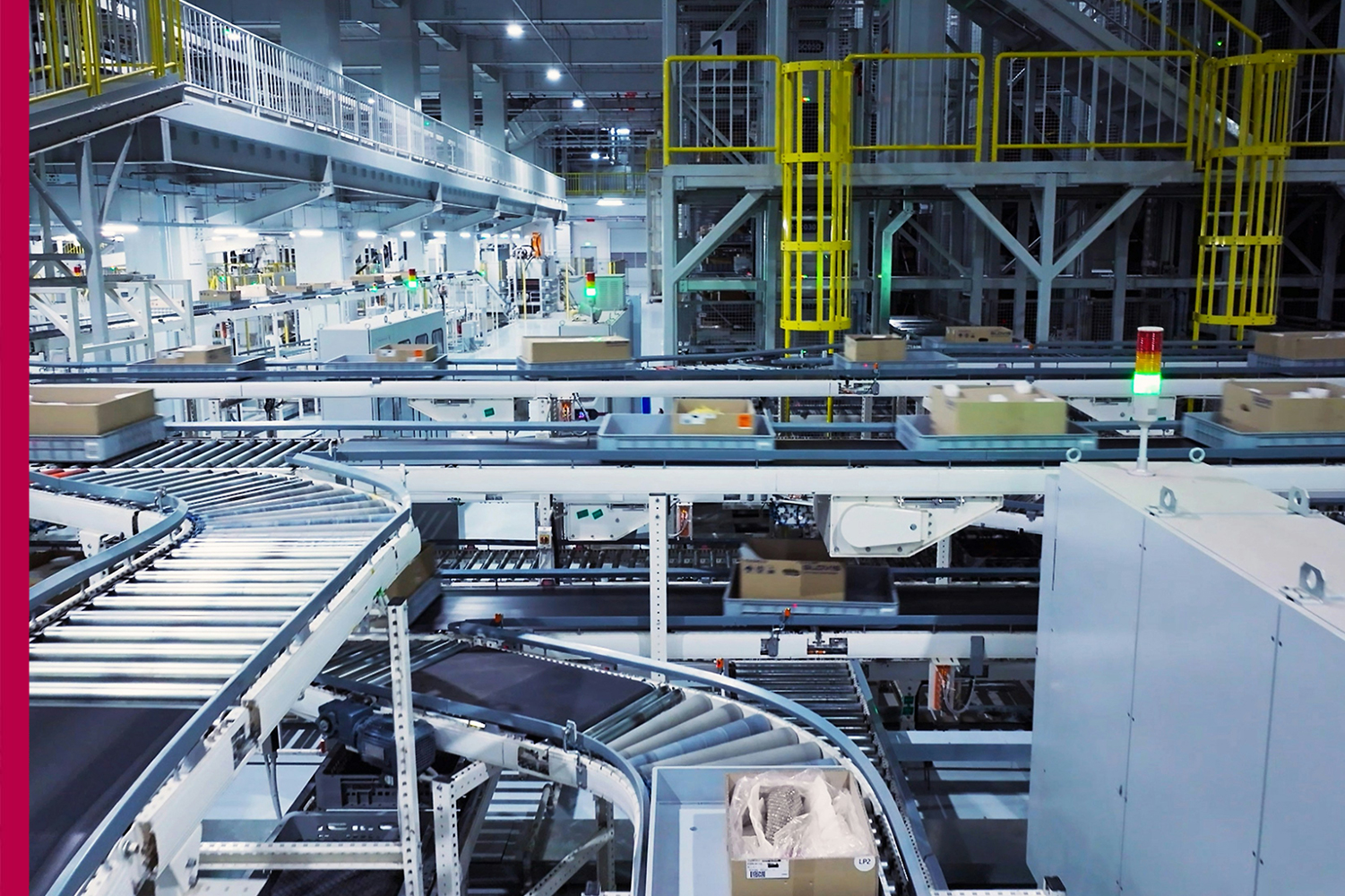



Connectivity is the foundation of smart cities, enabling seamless communication, efficient services, and improved quality of life for residents. As urban populations continue to grow, cities are turning to advanced technologies to manage resources, enhance infrastructure, and deliver better public services. At the heart of this transformation lies strong and reliable connectivity, which acts as the digital backbone of smart city ecosystems.
Smart cities rely heavily on interconnected systems powered by Internet of Things (IoT). Sensors, devices, and networks collect and share data in real time, allowing city administrators to monitor and manage various aspects such as traffic, energy consumption, waste management, and public safety. This data-driven approach enables faster decision-making and more efficient use of resources.
One of the key areas where connectivity plays a crucial role is transportation. Smart traffic management systems use real-time data to optimize traffic flow, reduce congestion, and improve road safety. Connected public transport systems provide accurate schedules and updates, enhancing the commuting experience for citizens. These improvements not only save time but also reduce fuel consumption and environmental impact.
Energy management is another important application of connectivity in smart cities. Smart grids use advanced communication networks to monitor and control electricity distribution. This ensures efficient energy usage, reduces wastage, and supports the integration of renewable energy sources. Connected systems can also detect faults quickly, minimizing downtime and improving reliability.
Public safety and security are significantly enhanced through connected technologies. Surveillance systems, emergency response networks, and disaster management tools rely on strong connectivity to function effectively. Real-time communication between authorities and citizens ensures quick response to emergencies and improves overall safety in urban areas.
Healthcare services are also benefiting from improved connectivity. Telemedicine, remote monitoring, and digital health records enable better access to medical care, especially in densely populated cities. These solutions reduce the burden on healthcare facilities and ensure timely treatment for patients.
In countries like India, smart city initiatives are focusing on expanding digital infrastructure to support urban development. Projects aimed at improving broadband access, deploying 5G networks, and integrating digital services are helping cities become more connected and efficient. These efforts are contributing to economic growth and enhancing the standard of living.

Despite its advantages, achieving seamless connectivity in smart cities comes with challenges. High infrastructure costs, data privacy concerns, and the need for robust cybersecurity measures are significant issues that must be addressed. Ensuring that all citizens have equal access to digital services is also essential to avoid creating a digital divide.
Another important aspect is interoperability. Different systems and devices must be able to communicate with each other effectively to create a unified smart city ecosystem. Standardization and collaboration among technology providers are crucial for achieving this goal.
Sustainability is closely linked to connectivity in smart cities. Efficient use of resources, reduced emissions, and improved waste management are made possible through connected systems. By leveraging technology, cities can achieve sustainable development while meeting the needs of growing populations.
In conclusion, connectivity is a key enabler of smart cities, driving innovation and improving urban living. By integrating advanced technologies and ensuring reliable communication networks, cities can deliver efficient services and enhance the quality of life for their residents. As technology continues to evolve, connectivity will remain at the core of smart city development, shaping the future of urban environments.