







As global trade continues to expand, the logistics industry plays a critical role in moving goods efficiently across regions. However, this growth has also led to increased carbon emissions, fuel consumption, and environmental impact. In response, businesses are adopting green logistics initiatives to create more sustainable and eco-friendly supply chains. These initiatives focus on reducing environmental harm while maintaining operational efficiency.
Green logistics refers to the integration of environmentally responsible practices into transportation, warehousing, and distribution processes. The primary goal is to minimize the carbon footprint associated with logistics activities. One of the most effective ways to achieve this is by optimizing transportation routes. Advanced software and data analytics help companies plan efficient routes, reduce fuel consumption, and lower emissions.
The adoption of alternative fuels and energy-efficient vehicles is another key component of green logistics. Electric vehicles (EVs), hybrid trucks, and vehicles powered by biofuels are becoming increasingly popular. These options significantly reduce greenhouse gas emissions compared to traditional diesel-powered transport. Many companies are also investing in fleet modernization to improve fuel efficiency.
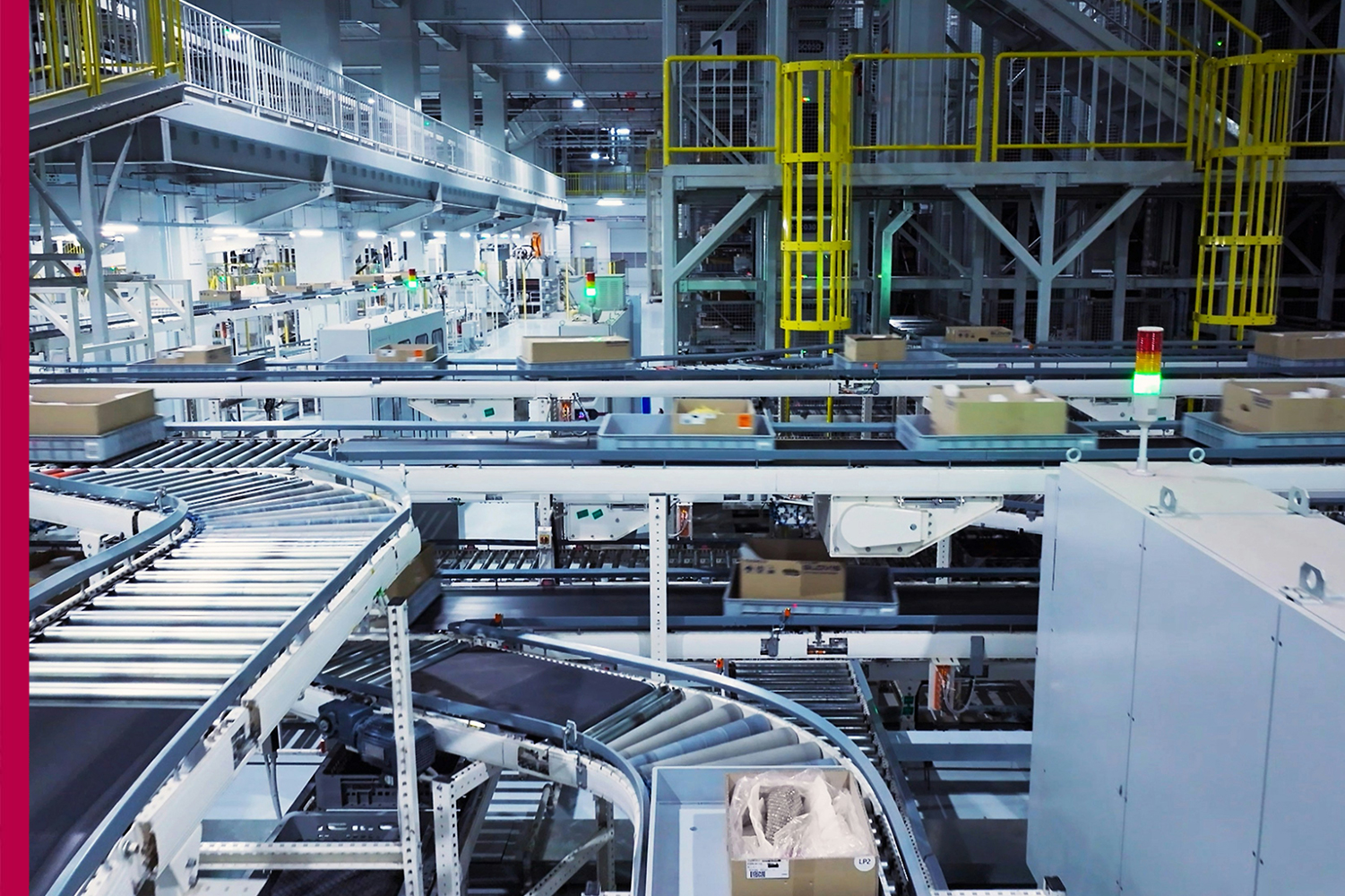
Warehousing operations are also undergoing transformation to support sustainability. Green warehouses are designed to use energy-efficient lighting, renewable energy sources, and smart climate control systems. Solar panels, automated systems, and efficient insulation help reduce energy consumption and operational costs. These practices contribute to a more sustainable logistics ecosystem.
Packaging plays a crucial role in green logistics. Businesses are shifting toward eco-friendly packaging materials such as biodegradable, recyclable, and reusable options. Reducing packaging waste not only benefits the environment but also lowers transportation costs by decreasing weight and volume. Efficient packaging design ensures better space utilization during shipping.
Technology is a major enabler of green logistics initiatives. The use of the Internet of Things allows real-time tracking of shipments, monitoring of vehicle performance, and optimization of logistics operations. Data-driven insights help companies identify inefficiencies and implement sustainable solutions effectively.
In India, green logistics is gaining momentum as businesses and government bodies focus on reducing environmental impact. Initiatives such as promoting electric mobility, improving rail and inland water transport, and developing sustainable infrastructure are supporting this transition. Companies are increasingly recognizing the importance of eco-friendly practices in meeting regulatory requirements and consumer expectations.
Collaboration is another important aspect of green logistics. Businesses are partnering with suppliers, logistics providers, and technology companies to create integrated and sustainable supply chains. Shared transportation networks and consolidated shipments help reduce the number of trips, leading to lower emissions and improved efficiency.
Reverse logistics is also an essential part of sustainability efforts. This involves the process of returning products for reuse, recycling, or proper disposal. Efficient reverse logistics systems help reduce waste and promote a circular economy, where resources are reused rather than discarded.
Despite its benefits, implementing green logistics initiatives comes with challenges. High initial investment costs, lack of infrastructure, and limited awareness can hinder adoption. Smaller businesses may find it difficult to invest in advanced technologies or sustainable solutions. However, long-term savings and environmental benefits often outweigh these initial barriers.
Consumer awareness is playing a significant role in driving green logistics. Customers are increasingly preferring brands that demonstrate environmental responsibility. This shift in consumer behavior is encouraging companies to adopt sustainable practices and improve transparency in their operations.
Looking ahead, the future of logistics will be shaped by sustainability and innovation. Emerging technologies such as autonomous vehicles, renewable energy integration, and advanced analytics will further enhance green logistics initiatives. Governments and industries must continue to collaborate to create supportive policies and infrastructure.
In conclusion, green logistics initiatives are essential for building sustainable supply chains in a rapidly growing global economy. By reducing emissions, optimizing resources, and adopting eco-friendly practices, businesses can achieve both environmental and economic benefits. As sustainability becomes a priority, green logistics will play a crucial role in shaping the future of global trade and transportation.