


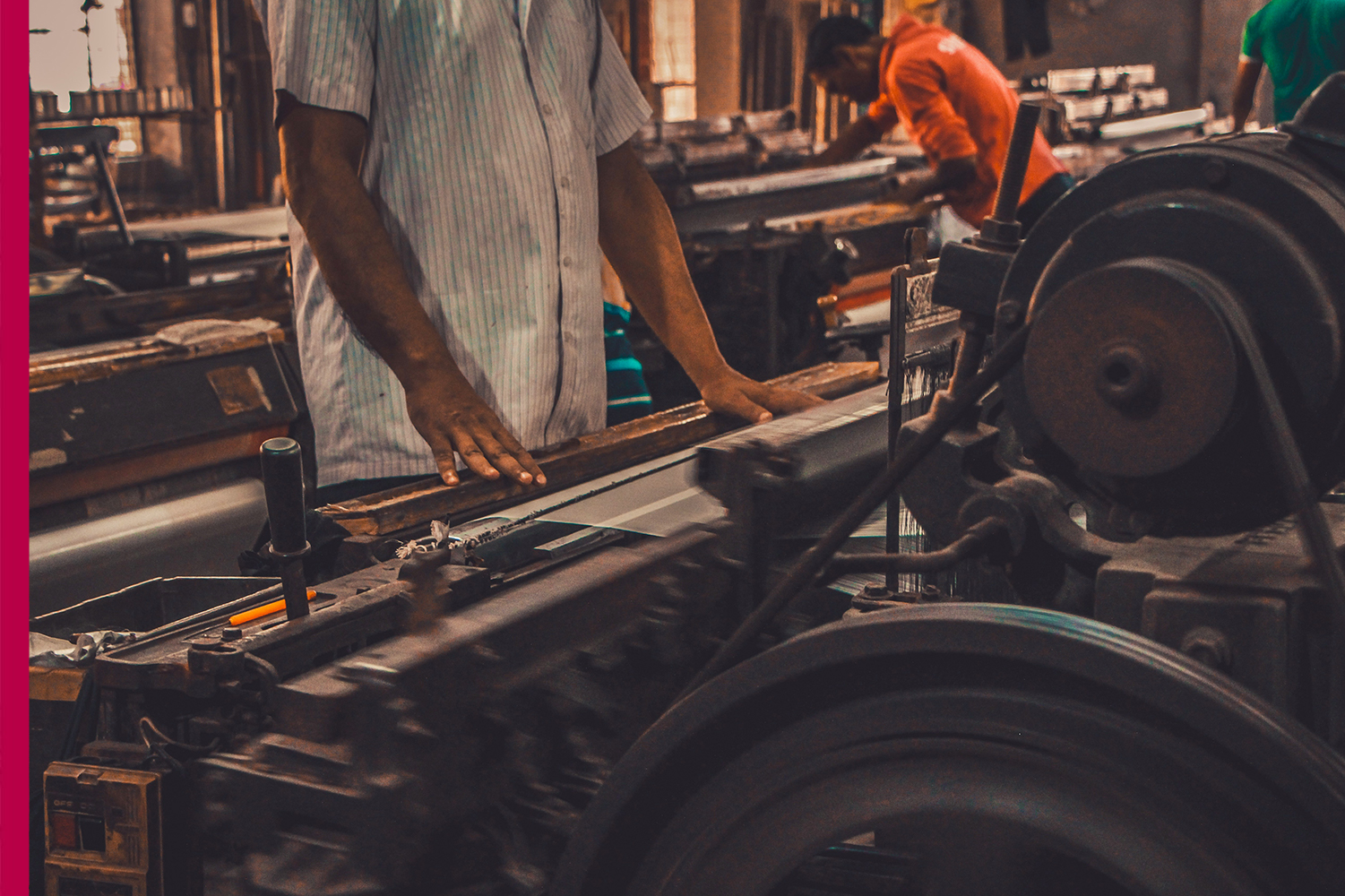
The manufacturing sector remains a backbone of economic development, contributing significantly to employment, exports, and industrial growth. While technology and automation are transforming the industry, the importance of a skilled workforce continues to be critical. Skilled workers not only operate advanced machinery but also drive innovation, efficiency, and quality in manufacturing processes.
A skilled workforce refers to individuals who possess specialized knowledge, technical expertise, and practical experience in specific areas of manufacturing. These skills range from machine operation and maintenance to quality control, design, and process optimization. As manufacturing becomes more sophisticated, the demand for highly trained professionals is increasing across industries.
One of the primary roles of a skilled workforce is enhancing productivity. Workers who are well-trained can perform tasks more efficiently, reduce errors, and optimize resource utilization. This leads to higher output and lower production costs, giving businesses a competitive advantage in both domestic and global markets.
Quality assurance is another critical area where skilled workers make a significant impact. Manufacturing industries must adhere to strict quality standards to meet customer expectations and regulatory requirements. Skilled employees are better equipped to identify defects, maintain consistency, and ensure that products meet required specifications. This not only improves customer satisfaction but also reduces waste and rework.
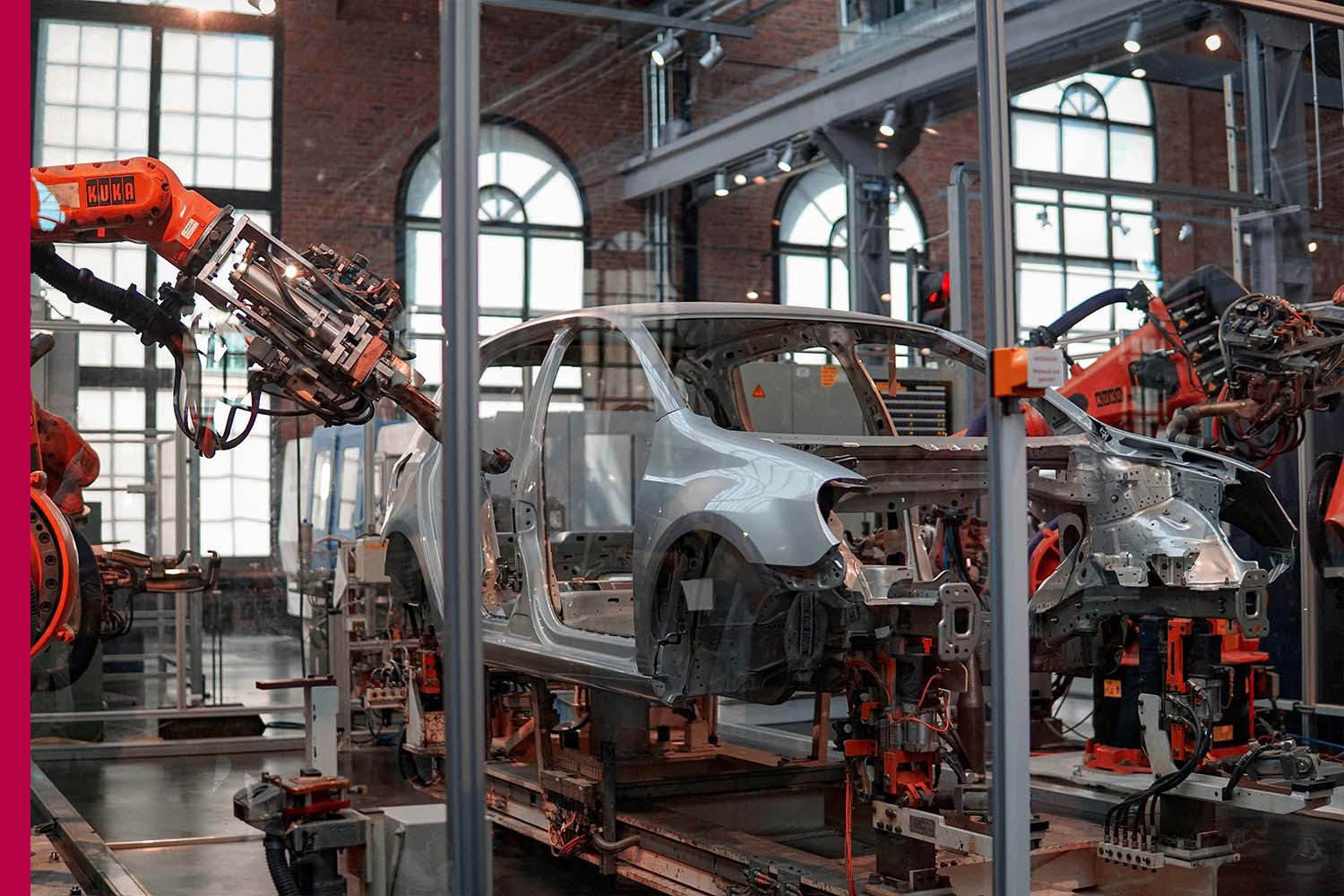
Innovation in manufacturing is closely linked to workforce capabilities. Skilled professionals contribute to the development of new products, processes, and technologies. Their ability to adapt to changing industry trends and implement advanced techniques drives continuous improvement. For example, the adoption of automation, robotics, and digital manufacturing systems requires workers who can understand and manage these technologies effectively.
In India, the role of a skilled workforce is particularly important as the country aims to strengthen its manufacturing sector through initiatives like Make in India. These programs focus on boosting industrial growth, attracting investments, and creating employment opportunities. Skill development is a key component of these initiatives, ensuring that the workforce is equipped to meet industry demands.
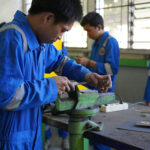
Training and education play a vital role in building a skilled workforce. Technical institutes, vocational training centers, and industry partnerships are essential for providing hands-on experience and practical knowledge. Continuous learning and upskilling are also necessary to keep pace with technological advancements and evolving market requirements.
Safety is another important aspect influenced by workforce skills. Manufacturing environments can involve complex machinery and hazardous conditions. Skilled workers are trained to follow safety protocols, handle equipment properly, and respond effectively to emergencies. This reduces workplace accidents and ensures a safer working environment.
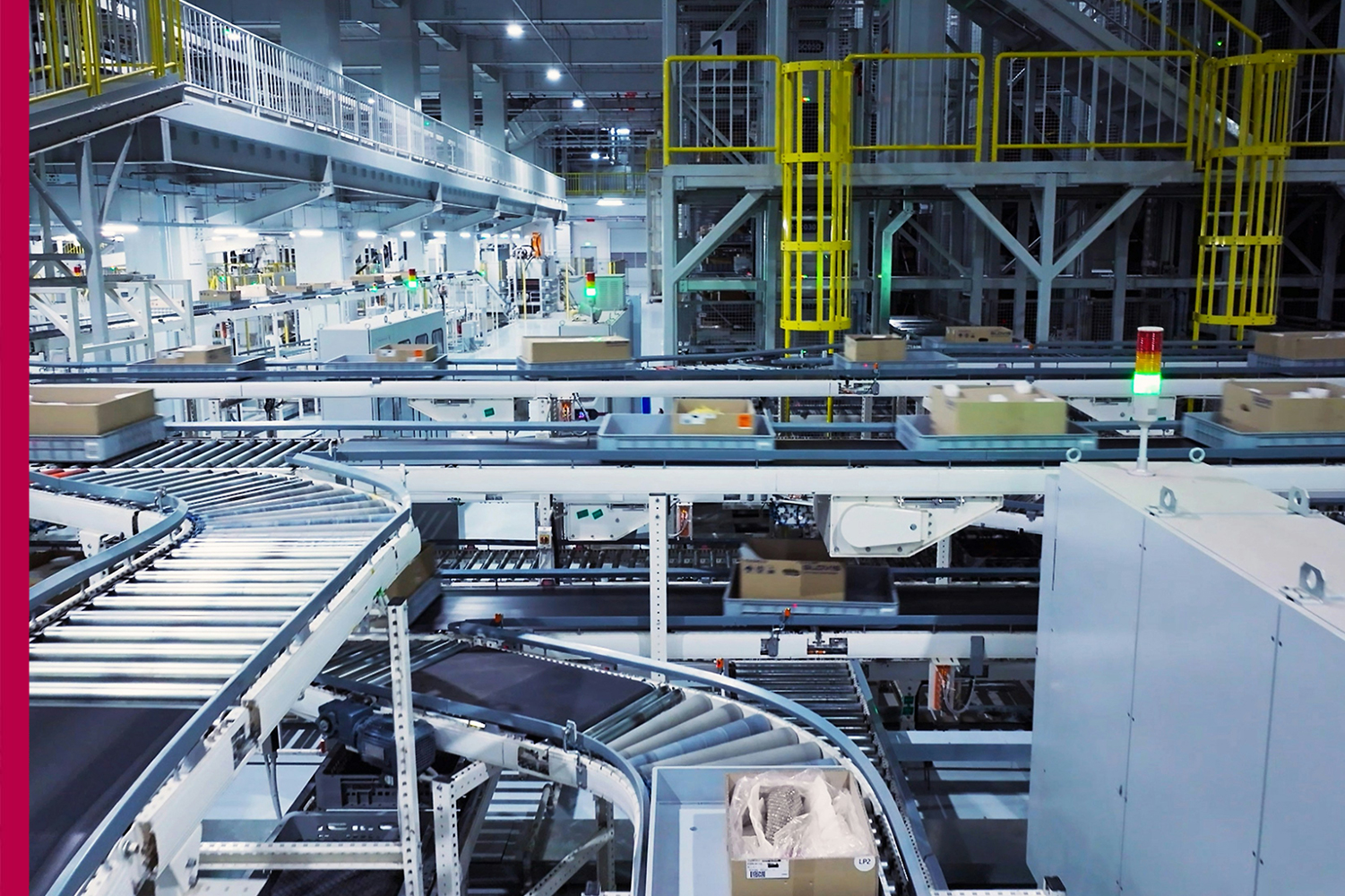
The integration of digital technologies, often referred to as Industry 4.0, is reshaping manufacturing. Concepts such as smart factories, the Internet of Things, and data analytics require a workforce that is not only technically skilled but also digitally literate. Employees must be able to interpret data, manage automated systems, and collaborate with advanced technologies.
Despite its importance, the manufacturing sector faces challenges related to skill gaps. Rapid technological changes can outpace workforce training, leading to shortages of qualified professionals. Addressing this gap requires collaboration between governments, educational institutions, and industries to develop relevant training programs and curricula.
Investing in workforce development also has broader economic benefits. A skilled workforce attracts foreign investment, supports innovation, and enhances the overall competitiveness of a nation’s manufacturing sector. It also provides individuals with better employment opportunities and career growth.
In conclusion, the role of a skilled workforce in manufacturing is indispensable. From improving productivity and quality to driving innovation and safety, skilled workers are at the heart of industrial success. As manufacturing continues to evolve, investing in skill development and continuous learning will be essential for building a resilient and future-ready workforce.