




The global shift toward sustainable transportation has brought hybrid cars and electric vehicles (EVs) into the spotlight. As concerns about fuel consumption, emissions, and environmental impact grow, consumers are increasingly evaluating these two options to determine which suits their needs best. While both hybrids and EVs aim to reduce dependence on fossil fuels, they differ significantly in technology, performance, and practicality.
Hybrid cars combine a traditional internal combustion engine with an electric motor. This dual system allows the vehicle to switch between or simultaneously use both power sources, improving fuel efficiency and reducing emissions compared to conventional cars. Hybrids do not require external charging, as the battery is recharged through regenerative braking and the engine itself. This makes them convenient for users who may not have access to charging infrastructure.
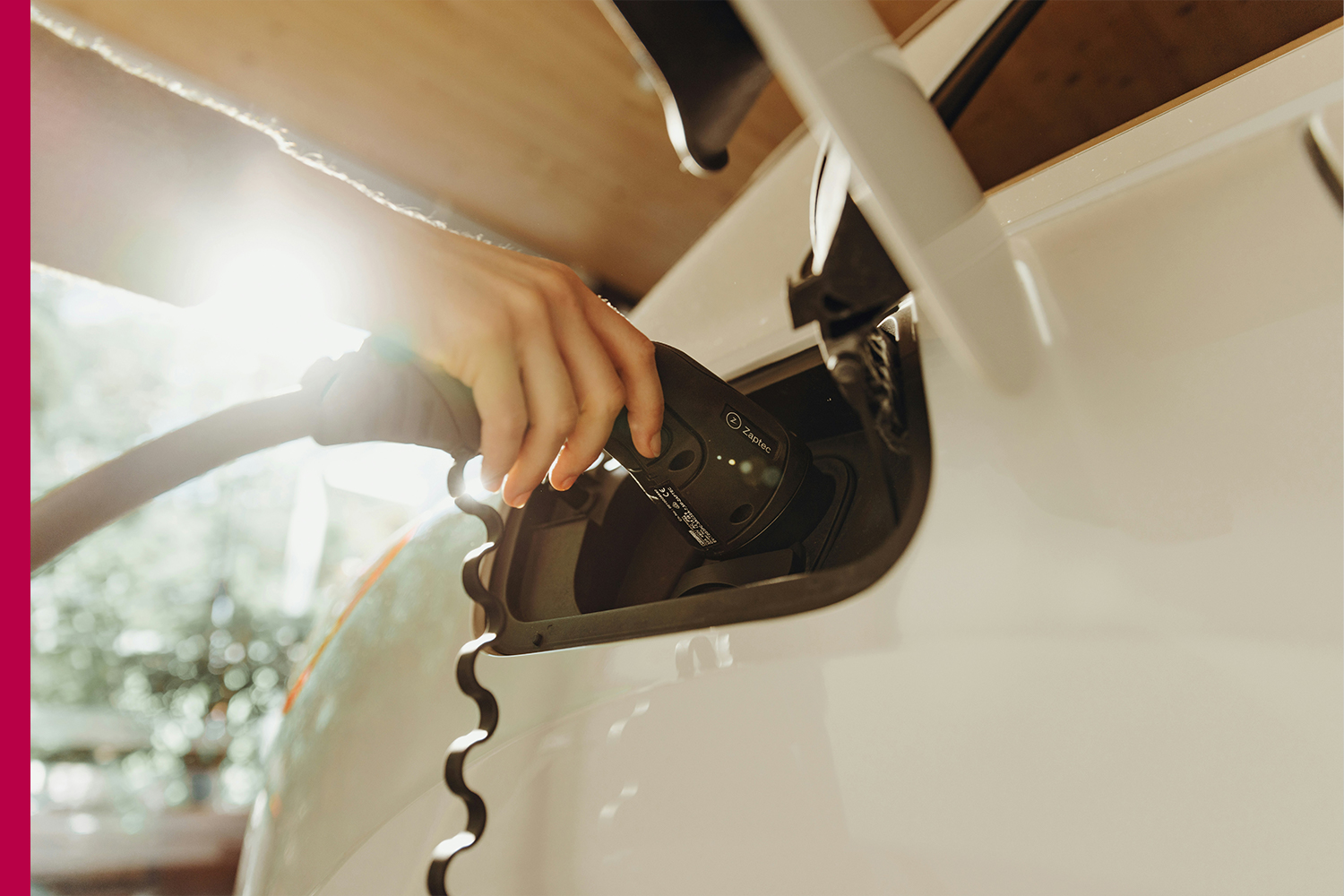
On the other hand, electric vehicles run entirely on electricity and are powered by rechargeable batteries. EVs produce zero tailpipe emissions, making them a cleaner alternative for the environment. They require charging through dedicated charging stations or home charging setups. Advances in battery technology have improved driving range and charging speed, making EVs increasingly practical for daily use.
One of the key factors in choosing between hybrids and EVs is environmental impact. EVs are generally considered more eco-friendly because they eliminate direct emissions. However, the overall environmental benefit depends on how the electricity used for charging is generated. In regions where renewable energy is widely used, EVs offer a significant advantage. Hybrids, while more efficient than traditional vehicles, still rely on fuel and produce emissions.
Cost is another important consideration. Hybrid cars are often less expensive upfront compared to EVs and do not require investment in charging infrastructure. However, EVs can be more cost-effective in the long run due to lower fuel and maintenance costs. Electricity is typically cheaper than petrol or diesel, and EVs have fewer moving parts, reducing maintenance expenses.
Performance and driving experience also differ between the two. EVs are known for their smooth and quiet operation, with instant torque providing quick acceleration. Hybrids offer a balance between traditional and electric driving, providing reliability and flexibility, especially for long-distance travel where charging stations may be limited.

Infrastructure plays a crucial role in determining which option is better. In countries like India, charging infrastructure for EVs is still developing, which can make hybrids a more practical choice for some users. However, government initiatives and private investments are rapidly expanding EV charging networks, making electric vehicles more accessible.
Range anxiety, or the fear of running out of battery power, is another factor influencing consumer decisions. While modern EVs offer improved range, hybrids eliminate this concern by relying on fuel when the battery is depleted. This makes hybrids a safer choice for those who frequently travel long distances.
Government policies and incentives are also shaping the adoption of both technologies. Many countries offer subsidies, tax benefits, and incentives for EV purchases, encouraging consumers to switch to cleaner transportation options.
In conclusion, the choice between hybrid cars and EVs depends on individual needs, budget, and infrastructure availability. Hybrids offer convenience and flexibility, while EVs provide a cleaner and more future-focused solution. As technology advances and infrastructure improves, electric vehicles are likely to become the preferred choice for sustainable mobility, but hybrids continue to serve as a practical transitional option.