

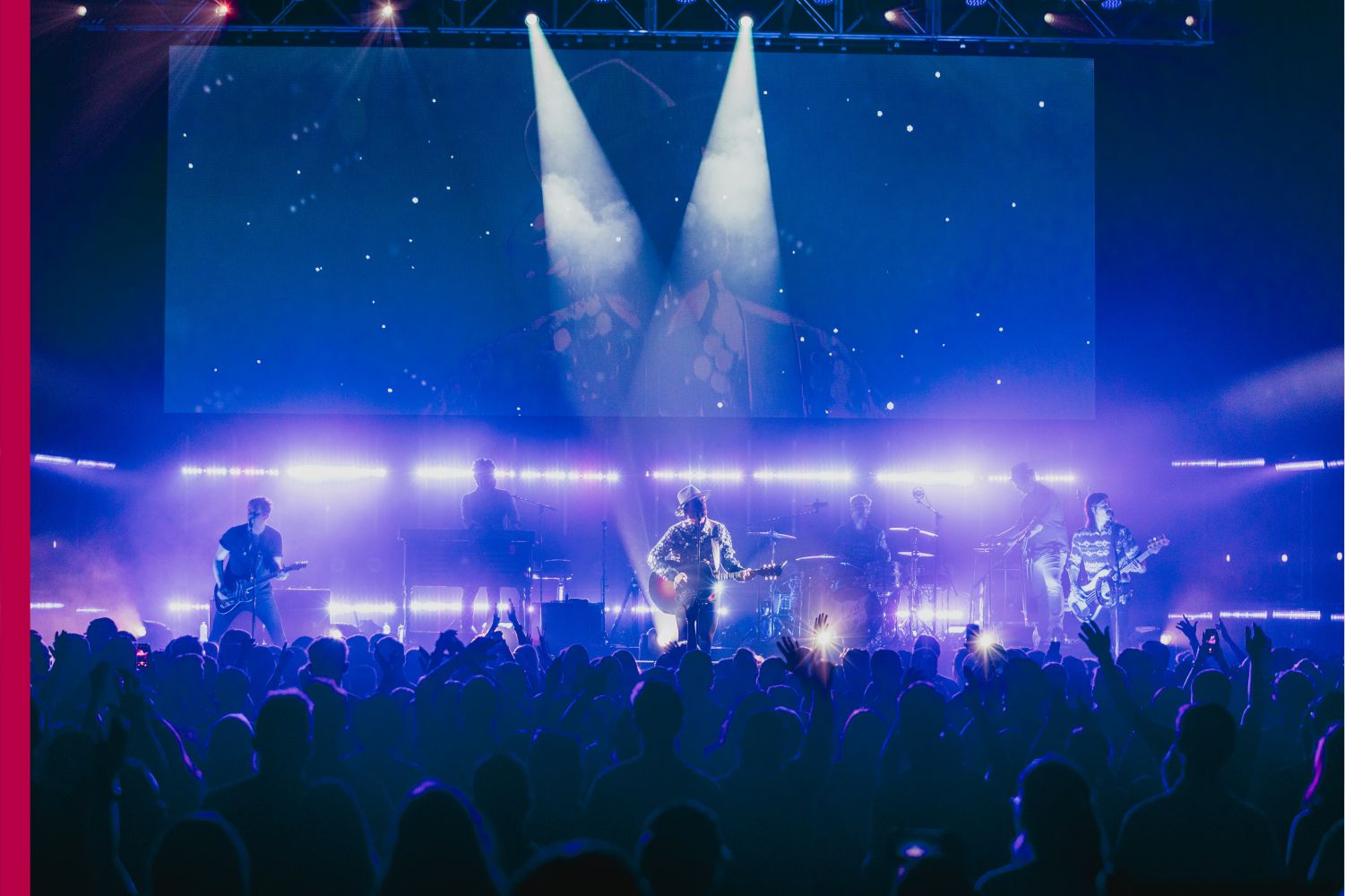

The live events industry is experiencing a strong comeback after facing unprecedented challenges during the global pandemic. Concerts, exhibitions, conferences, weddings, and cultural gatherings were among the hardest hit sectors, with cancellations and restrictions bringing activities to a halt. However, as the world adapts to a new normal, live events are returning with renewed energy, innovation, and a deeper appreciation for in-person experiences.
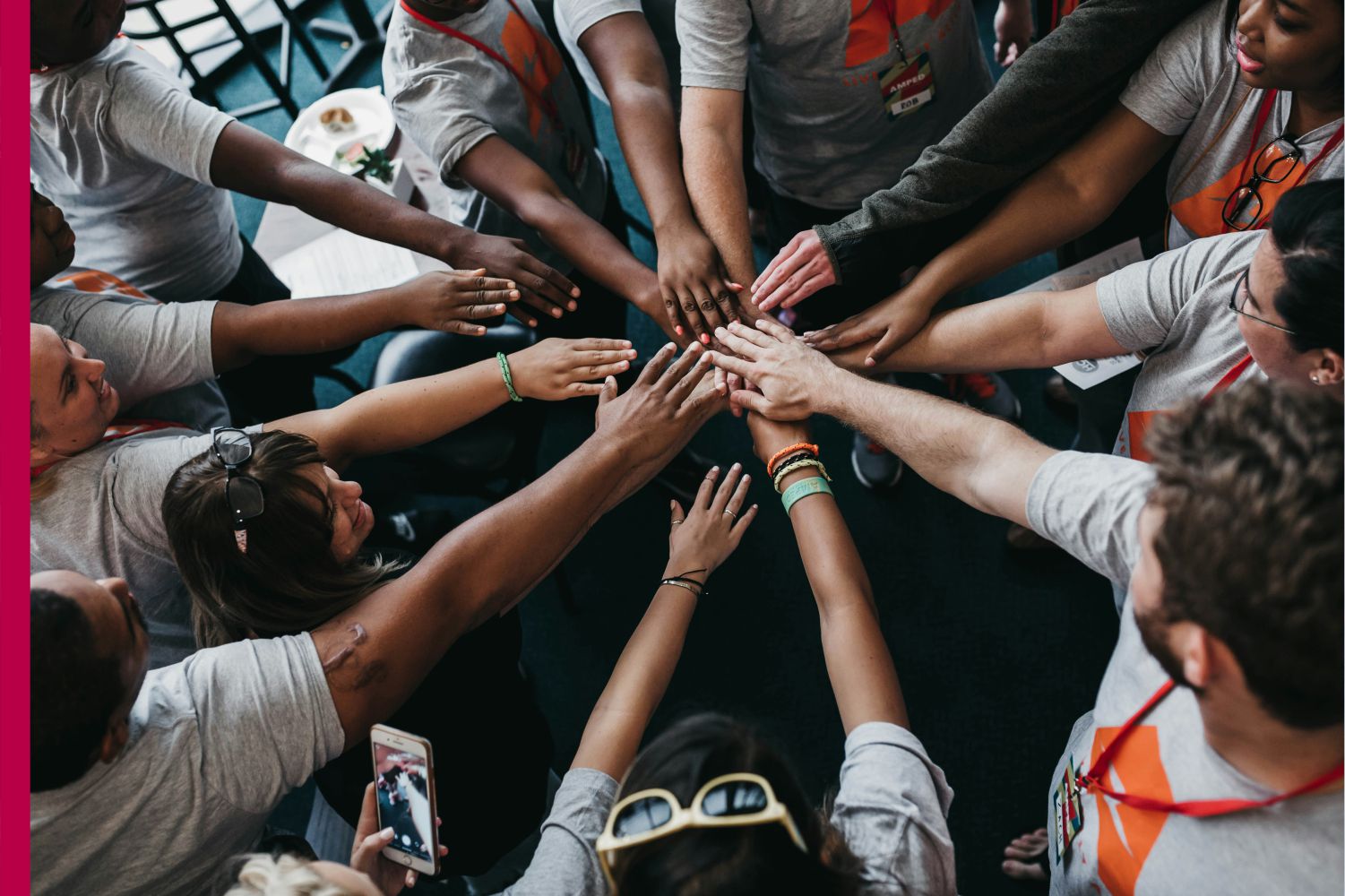
One of the key drivers behind the resurgence of live events is the human desire for connection. Virtual meetings and online events served as temporary alternatives, but they could not fully replicate the emotional and social impact of physical gatherings. People are now eager to reconnect, celebrate, and engage in shared experiences, leading to increased demand for live events across industries.
Event organizers are embracing hybrid models to meet evolving audience expectations. By combining physical and virtual elements, events can reach a wider audience while maintaining the benefits of in-person interaction. Hybrid events allow participants to attend remotely if they are unable to travel, expanding accessibility and inclusivity. This approach has become a lasting trend, even as physical events regain popularity.
Technology is playing a crucial role in enhancing the live event experience. Advanced tools such as event management software, mobile apps, and real-time analytics are helping organizers plan and execute events more efficiently. Features like digital ticketing, contactless check-ins, and interactive displays improve convenience and safety for attendees. Additionally, technologies like augmented reality and live streaming are adding new dimensions to event engagement.
Health and safety have become top priorities in the post-pandemic era. Event organizers are implementing measures such as crowd management, sanitation protocols, and improved ventilation systems to ensure a safe environment. These efforts are essential for rebuilding trust and encouraging people to attend events with confidence.
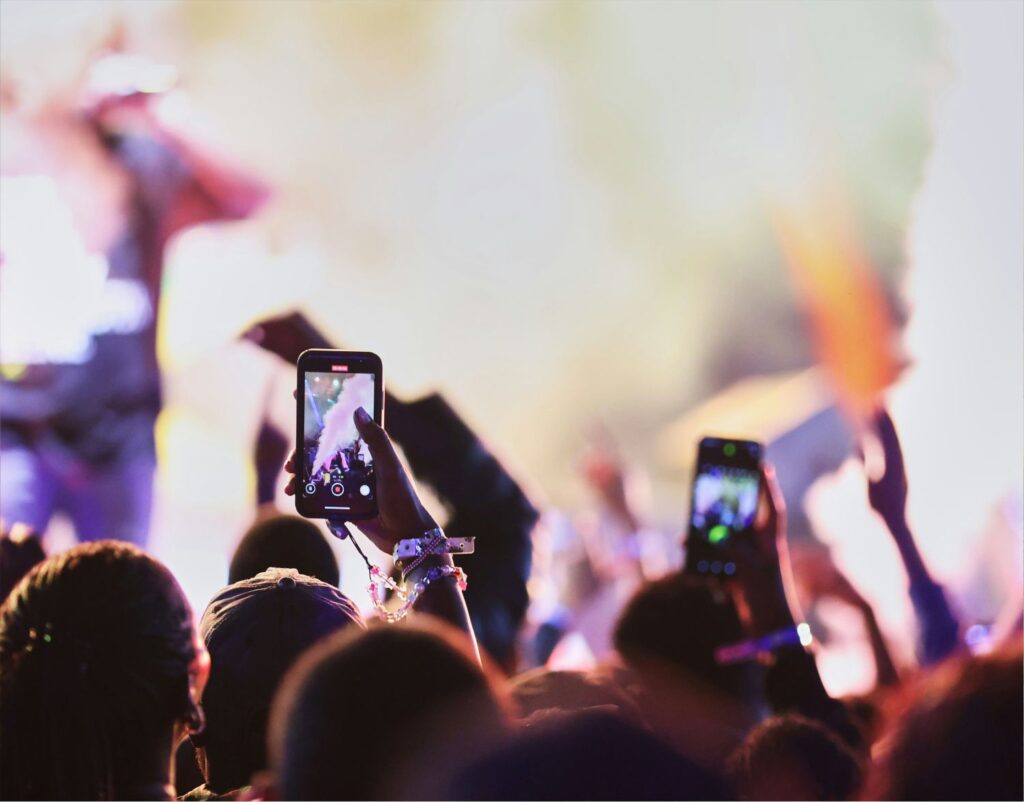
The economic impact of the live events comeback is also significant. The industry supports a wide range of sectors, including hospitality, travel, entertainment, and logistics. As events resume, they are generating employment opportunities and contributing to economic recovery. In countries like India, the revival of weddings, festivals, and corporate events is boosting local businesses and service providers.
Creativity and personalization are becoming central to event planning. Attendees are looking for unique and memorable experiences rather than standard formats. Event organizers are focusing on themed events, immersive environments, and customized services to meet these expectations. This shift is encouraging innovation and raising the overall quality of live events.
Despite the positive momentum, challenges remain. Rising costs, supply chain disruptions, and uncertainty around future health concerns can impact event planning. Additionally, competition from virtual platforms continues to influence audience preferences. To succeed, event organizers must remain flexible and responsive to changing conditions.
In conclusion, the comeback of live events marks a significant step toward normalcy and human connection. By integrating technology, prioritizing safety, and embracing innovation, the industry is evolving to meet modern demands. The renewed enthusiasm for in-person experiences highlights the enduring value of live events, ensuring their continued growth and relevance in the years ahead.