


The luxury fashion market has experienced remarkable growth in recent years, driven by evolving consumer preferences, digital transformation, and expanding global demand. Once limited to elite circles, luxury fashion is now reaching a broader audience while maintaining its essence of exclusivity, craftsmanship, and prestige. This shift reflects a changing landscape where tradition meets innovation.
One of the key drivers of growth in the luxury fashion market is the rising purchasing power of consumers, particularly in emerging economies. Countries such as India and China have seen a surge in affluent consumers who are eager to invest in premium brands. This growing middle and upper class is influencing global demand, making luxury fashion more geographically diverse than ever before.
Digital transformation has also played a major role in reshaping the luxury fashion industry. Leading brands such as Louis Vuitton, Gucci, and Chanel have embraced e-commerce, social media, and digital marketing to connect with younger audiences. Online platforms now offer personalized shopping experiences, virtual try-ons, and exclusive collections, making luxury more accessible while maintaining brand value.
Another significant factor contributing to market growth is the influence of younger consumers, particularly Millennials and Gen Z. These groups value individuality, brand storytelling, and sustainability. They are not just buying products but investing in experiences and identity. As a result, luxury brands are focusing on innovation, limited editions, and collaborations to stay relevant in a competitive market.
Sustainability has become a defining trend in the luxury fashion sector. Consumers are increasingly aware of environmental and ethical issues, prompting brands to adopt responsible practices. From eco-friendly materials to transparent supply chains, luxury fashion houses are redefining what it means to be premium in a conscious world. This shift not only meets consumer expectations but also strengthens brand loyalty.
The role of technology in luxury fashion cannot be overlooked. Artificial intelligence, augmented reality, and data analytics are being used to enhance customer engagement and streamline operations. Digital fashion shows, virtual stores, and NFTs are introducing new ways for consumers to interact with brands. These innovations are expanding the definition of luxury beyond physical products.
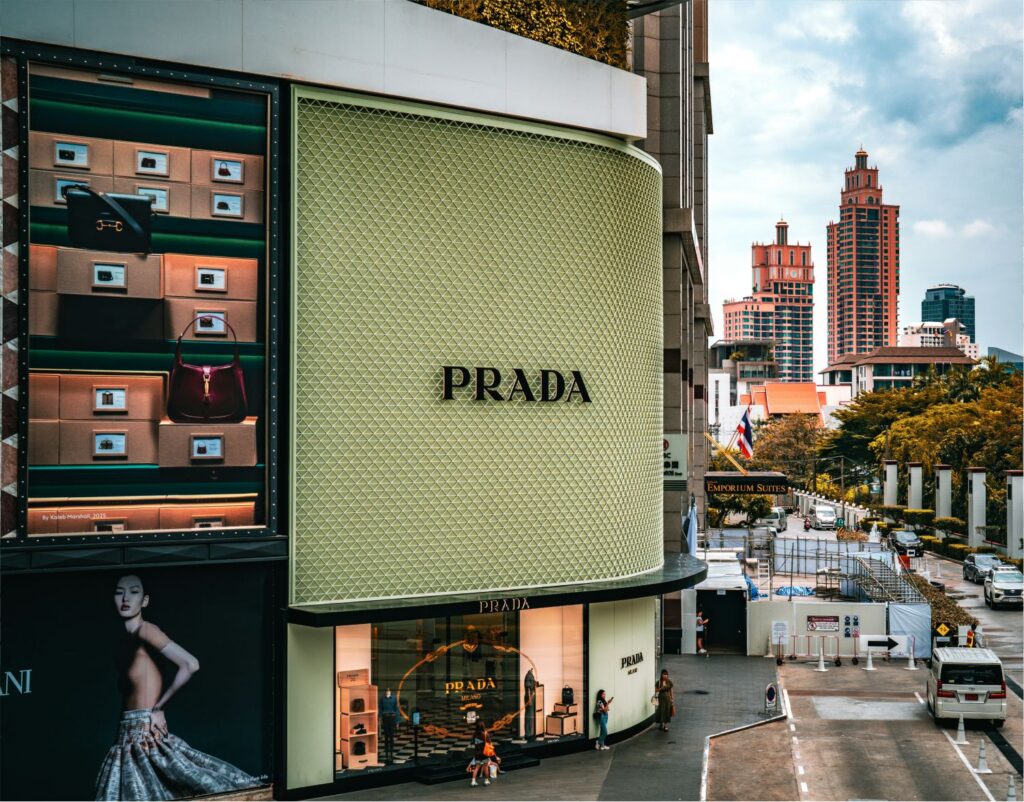
Experiential luxury is another emerging trend. High-end brands are creating immersive experiences through flagship stores, exclusive events, and personalized services. Luxury is no longer just about owning a product; it is about the entire journey, from discovery to purchase and beyond. This focus on experience adds emotional value and deepens customer relationships.
Despite its growth, the luxury fashion market faces challenges such as economic uncertainty, counterfeit products, and changing consumer expectations. However, the industry’s ability to adapt and innovate continues to drive its success.
In conclusion, the growth of the luxury fashion market reflects a blend of tradition, innovation, and evolving consumer values. As brands embrace digital transformation, sustainability, and personalized experiences, luxury fashion is entering a new era that balances exclusivity with accessibility, ensuring its continued relevance in a rapidly changing world.