




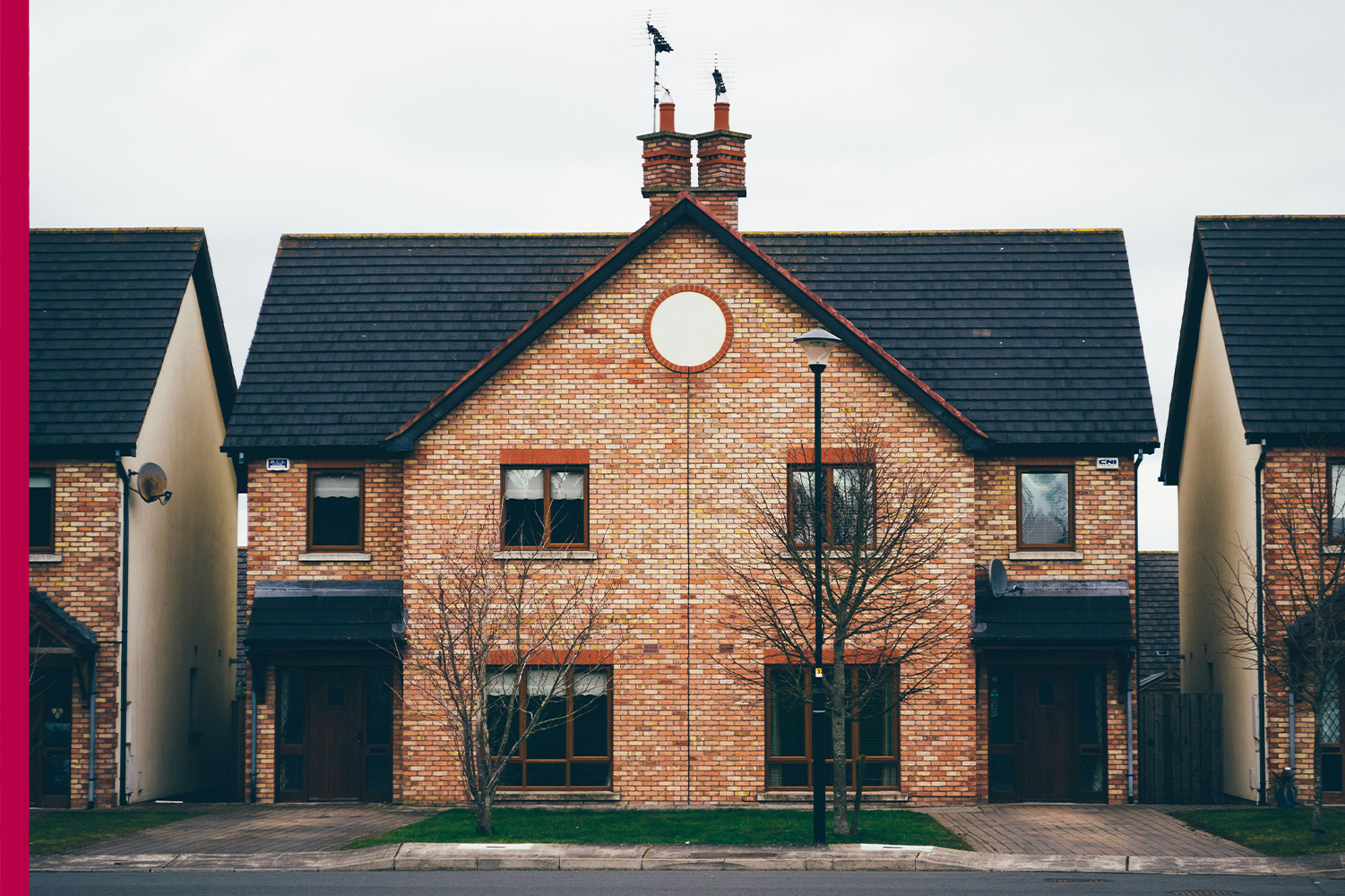
Affordable housing has become one of the most pressing challenges in today’s rapidly urbanizing world. As populations grow and cities expand, the demand for housing that is both accessible and reasonably priced is increasing significantly. Affordable housing is not just about providing shelter; it is about ensuring that individuals and families can live with dignity, security, and access to essential services.
One of the primary drivers of affordable housing demand is urbanization. As more people migrate to cities in search of better employment opportunities and improved living standards, the pressure on urban housing markets continues to rise. This surge in demand often leads to increased property prices, making it difficult for low- and middle-income groups to afford homes in urban areas.
Rising property costs and limited land availability further contribute to the housing gap. In many metropolitan regions, real estate prices have outpaced income growth, creating a mismatch between affordability and availability. This has resulted in a growing need for housing solutions that cater specifically to economically weaker sections and middle-income families.
In India, affordable housing has become a key focus area for both the government and private sector. Initiatives like Pradhan Mantri Awas Yojana aim to provide “Housing for All” by offering subsidies, financial assistance, and incentives to homebuyers and developers. These programs are helping bridge the gap between demand and supply, especially in urban and semi-urban areas.
The role of developers is crucial in meeting affordable housing demand. Real estate companies are increasingly focusing on cost-effective construction techniques, efficient land use, and scalable housing models. Prefabricated construction, modular housing, and the use of sustainable materials are helping reduce costs while maintaining quality. These innovations are making affordable housing projects more viable and efficient.
Another important factor influencing demand is the availability of home financing options. Lower interest rates, flexible loan terms, and government-backed subsidies have made it easier for individuals to purchase homes. Financial institutions are also introducing tailored loan products to cater to first-time homebuyers, further boosting demand in this segment.
Infrastructure development plays a significant role in shaping affordable housing trends. Improved connectivity through roads, public transport, and metro networks is making peripheral areas more attractive for residential development. As a result, affordable housing projects are increasingly being developed in suburban and emerging locations where land costs are lower.
The growing awareness of homeownership as a long-term investment is also driving demand. Owning a home provides financial security and stability, making it a preferred choice over renting for many individuals. Additionally, changing family structures and nuclear households are increasing the need for independent housing units.
Despite these positive trends, several challenges remain. Land acquisition issues, regulatory delays, and high construction costs can hinder the development of affordable housing projects. Ensuring quality while keeping costs low is another challenge that developers must address. Additionally, access to basic amenities such as water, sanitation, and healthcare is essential for the success of affordable housing initiatives.
Sustainability is becoming an integral part of affordable housing development. Green building practices, energy-efficient designs, and the use of renewable energy sources are being incorporated into projects to reduce long-term costs and environmental impact. This approach ensures that affordable housing is not only cost-effective but also sustainable.
In conclusion, the demand for affordable housing continues to grow as urbanization and economic changes reshape living patterns. Addressing this demand requires a collaborative effort between governments, developers, and financial institutions. By focusing on innovation, accessibility, and sustainability, affordable housing can provide a foundation for inclusive growth and improved quality of life for millions of people.