




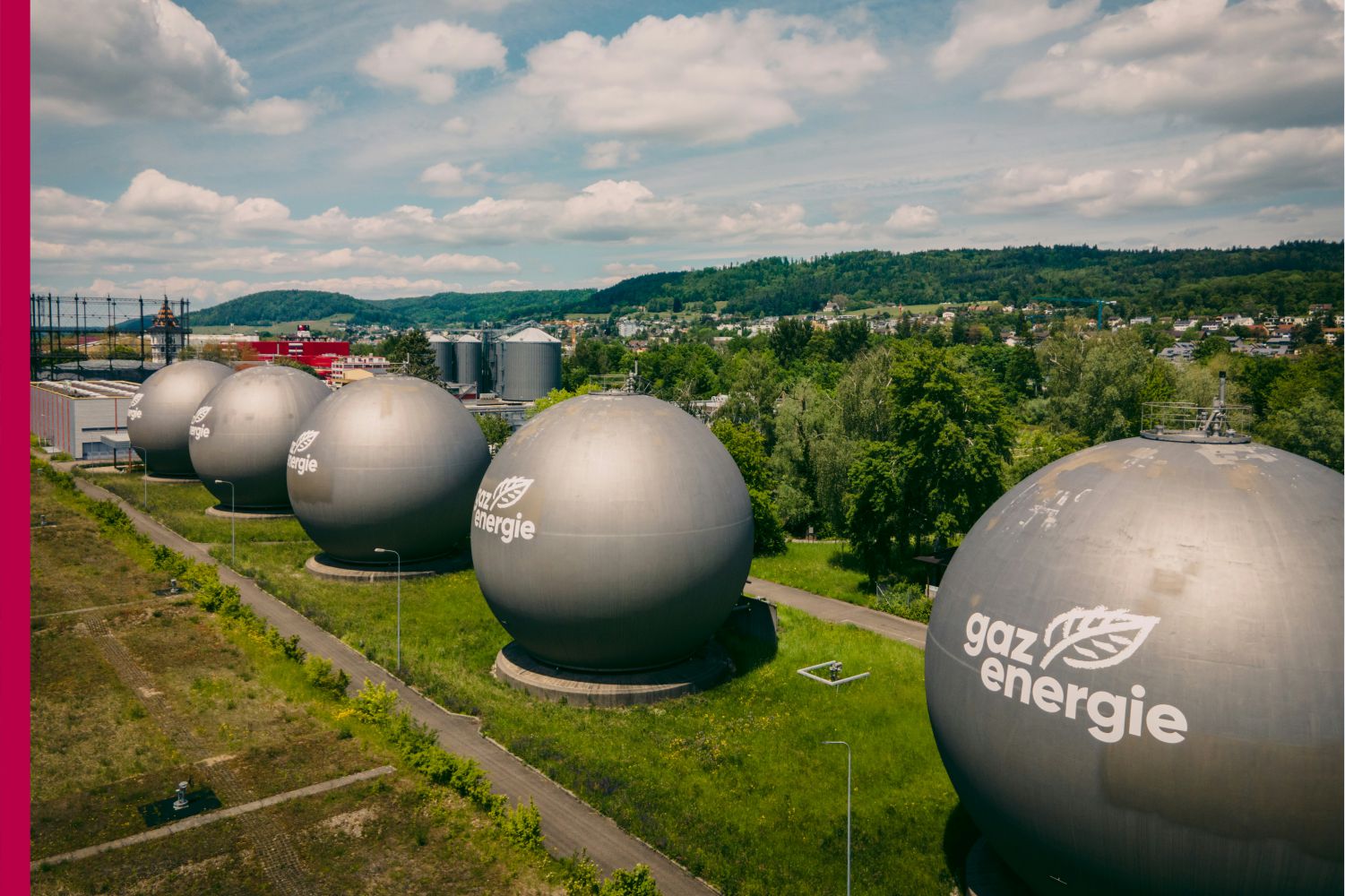
As the world accelerates its transition toward clean and sustainable energy, green hydrogen is emerging as a game-changing solution with the potential to revolutionize multiple industries. Produced using renewable energy sources such as solar and wind, green hydrogen offers a zero-emission alternative to fossil fuels, making it a key player in the global fight against climate change.
Hydrogen is the most abundant element in the universe, but it does not exist freely in nature and must be extracted from compounds like water. Green hydrogen is produced through a process called electrolysis, where electricity from renewable sources splits water into hydrogen and oxygen. Unlike grey or blue hydrogen, which rely on fossil fuels, green hydrogen generates no carbon emissions during production, making it environmentally friendly.
One of the most promising applications of green hydrogen is in the energy sector. It can be used as a clean fuel for power generation, replacing coal and natural gas in electricity production. Additionally, hydrogen can store excess energy generated from renewable sources, addressing the issue of intermittency associated with solar and wind power. This makes it an effective solution for balancing energy supply and demand.
The transportation industry is another area where green hydrogen is gaining traction. Hydrogen fuel cell vehicles offer long driving ranges and quick refueling times, making them suitable for heavy-duty transport such as trucks, buses, and trains. Companies like Toyota and Hyundai are actively developing hydrogen-powered vehicles, contributing to the growth of this technology.
Green hydrogen also has significant potential in industrial applications. Sectors such as steel, cement, and chemical manufacturing are among the largest contributors to global carbon emissions. Hydrogen can be used as a clean alternative to fossil fuels in these processes, helping industries reduce their environmental impact. For example, hydrogen-based steel production can significantly lower carbon emissions compared to traditional methods.
Governments around the world are recognizing the importance of green hydrogen and are investing heavily in its development. In countries like India, national hydrogen missions and policy frameworks are being introduced to promote production, infrastructure, and research. These initiatives aim to position countries as leaders in the global hydrogen economy while supporting energy security and sustainability goals.

Despite its potential, green hydrogen faces several challenges. The cost of production remains relatively high compared to conventional fuels, primarily due to the expense of renewable energy and electrolysis technology. Infrastructure for storage, transportation, and distribution is still underdeveloped, requiring significant investment. Additionally, scaling up production to meet global demand will take time and coordinated efforts.
Technological advancements are gradually addressing these challenges. Improvements in electrolyzer efficiency, declining renewable energy costs, and innovations in hydrogen storage are making green hydrogen more viable. As economies of scale are achieved, production costs are expected to decrease, making hydrogen more competitive with traditional energy sources.
Collaboration between governments, private companies, and research institutions is essential for accelerating the adoption of green hydrogen. International partnerships can help share knowledge, standardize regulations, and develop global supply chains. Such cooperation will play a crucial role in unlocking the full potential of hydrogen as a clean energy source.
In conclusion, green hydrogen represents a transformative opportunity in the global energy landscape. With its ability to provide clean, versatile, and scalable energy solutions, it has the potential to revolutionize industries and reduce carbon emissions significantly. As technology advances and investments grow, green hydrogen is poised to become a cornerstone of a sustainable and low-carbon future.