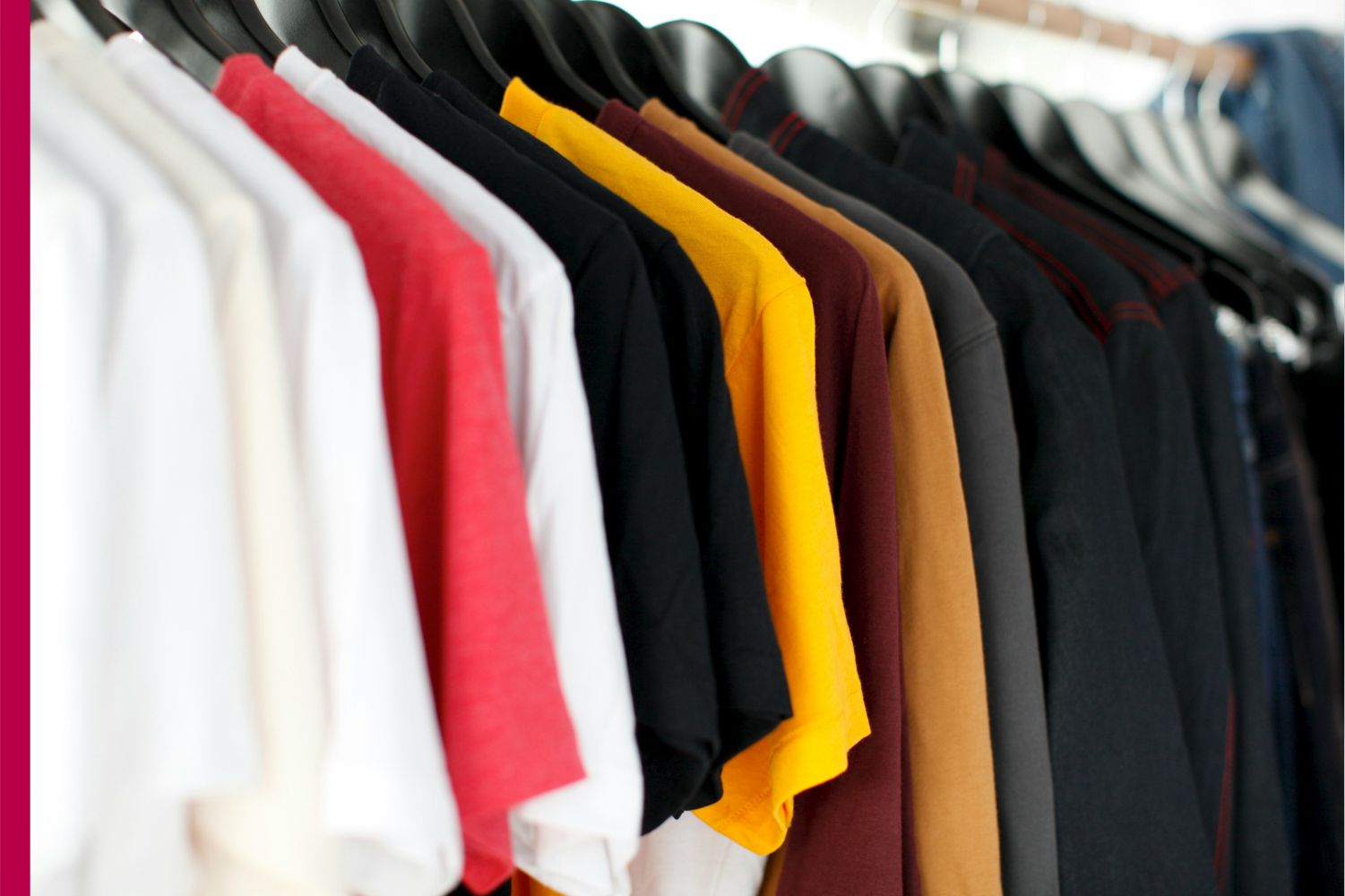


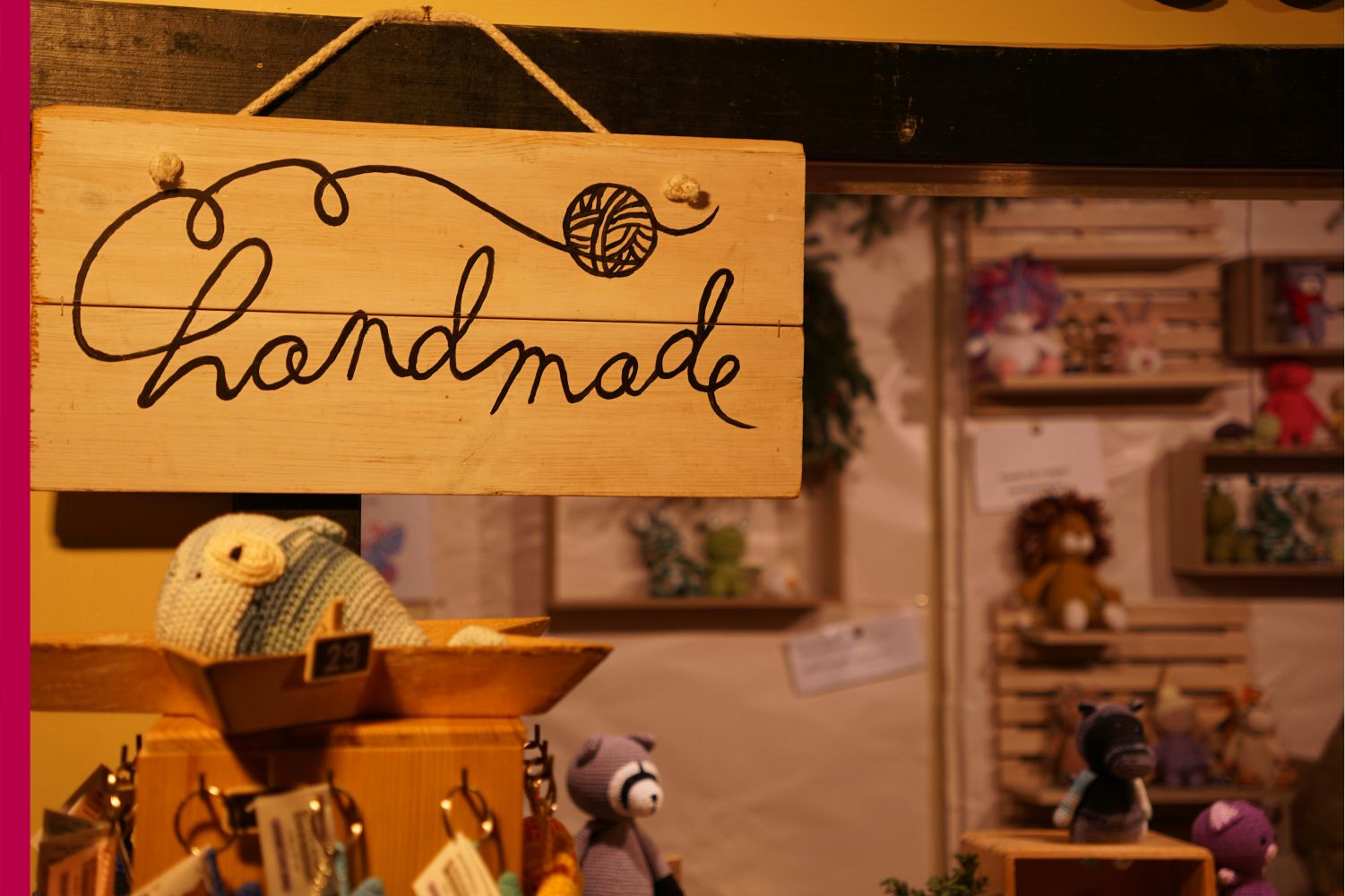

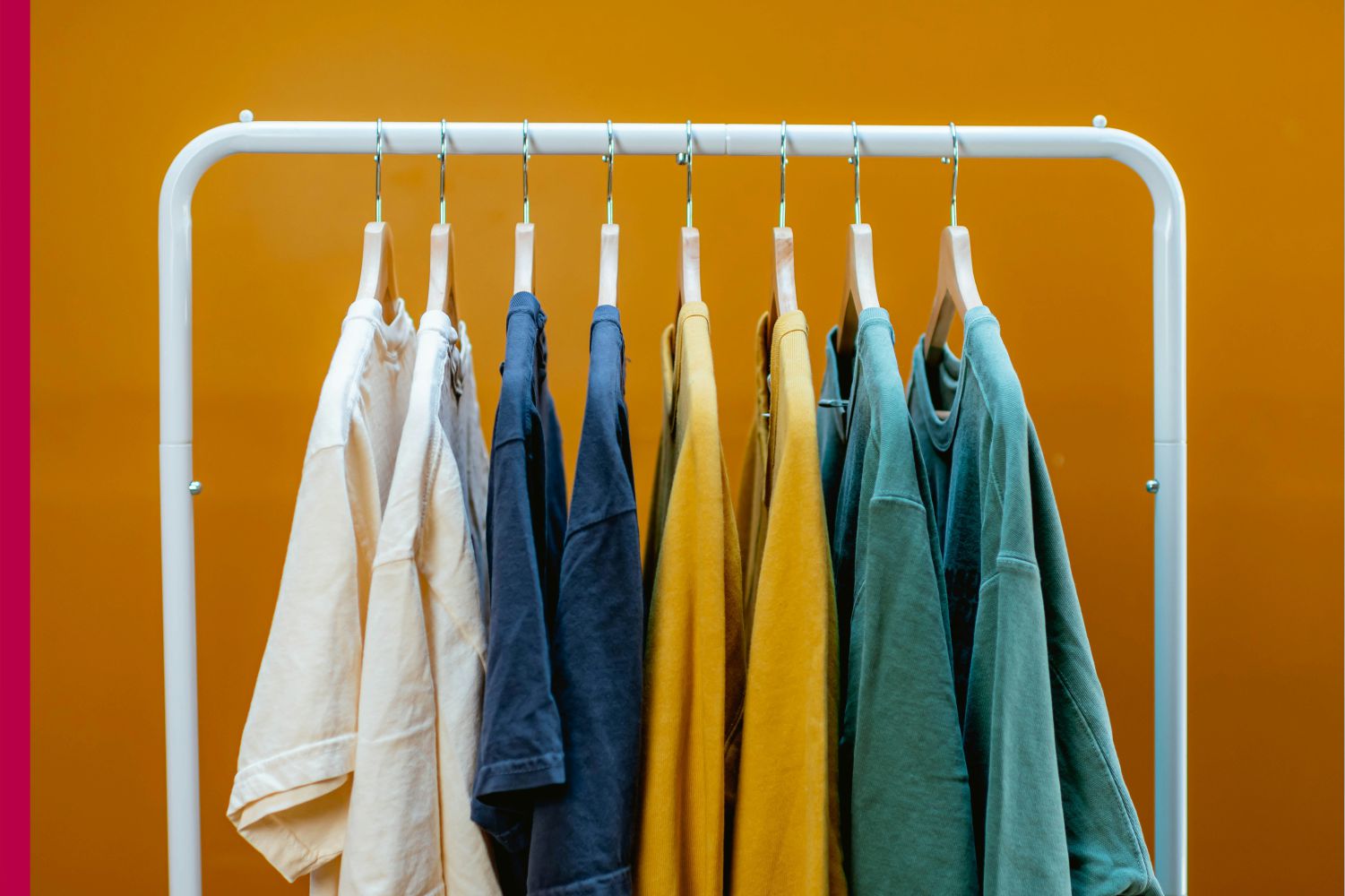
The fashion industry is undergoing a significant transformation as sustainability becomes a central focus for brands and consumers alike. With growing awareness of environmental issues and ethical concerns, sustainable clothing trends are reshaping how garments are designed, produced, and consumed. This shift reflects a broader movement toward responsible fashion that balances style, quality, and environmental impact.
One of the most prominent trends in sustainable clothing is the use of eco-friendly materials. Designers and manufacturers are increasingly opting for organic cotton, recycled polyester, hemp, bamboo, and other sustainable fabrics. These materials reduce the reliance on harmful chemicals, lower water consumption, and minimize environmental damage. Recycled textiles, in particular, are gaining traction as they help reduce waste and promote circular fashion practices.
Another key trend is slow fashion, which emphasizes quality over quantity. Unlike fast fashion, which focuses on mass production and quick turnover, slow fashion encourages consumers to invest in durable, timeless pieces. This approach reduces the frequency of purchases and minimizes textile waste. By choosing high-quality garments that last longer, consumers contribute to a more sustainable fashion ecosystem.
Upcycling and recycling have also become major components of sustainable clothing trends. Brands are finding creative ways to transform old or discarded garments into new products. Upcycling not only reduces waste but also adds uniqueness and value to clothing items. Many designers are incorporating recycled fabrics into their collections, giving new life to materials that would otherwise end up in landfills.
Ethical production practices are another important aspect of sustainable fashion. Consumers are increasingly concerned about the working conditions of garment workers and the transparency of supply chains. Sustainable brands are responding by ensuring fair wages, safe working environments, and ethical sourcing of materials. Transparency in production processes builds trust and allows consumers to make informed purchasing decisions.
Technology is playing a crucial role in advancing sustainable clothing trends. Innovations such as digital design, 3D sampling, and on-demand manufacturing reduce waste and improve efficiency. Brands are also using data analytics to better understand consumer demand, minimizing overproduction and unsold inventory. Additionally, advancements in fabric technology are leading to the development of biodegradable and low-impact materials.
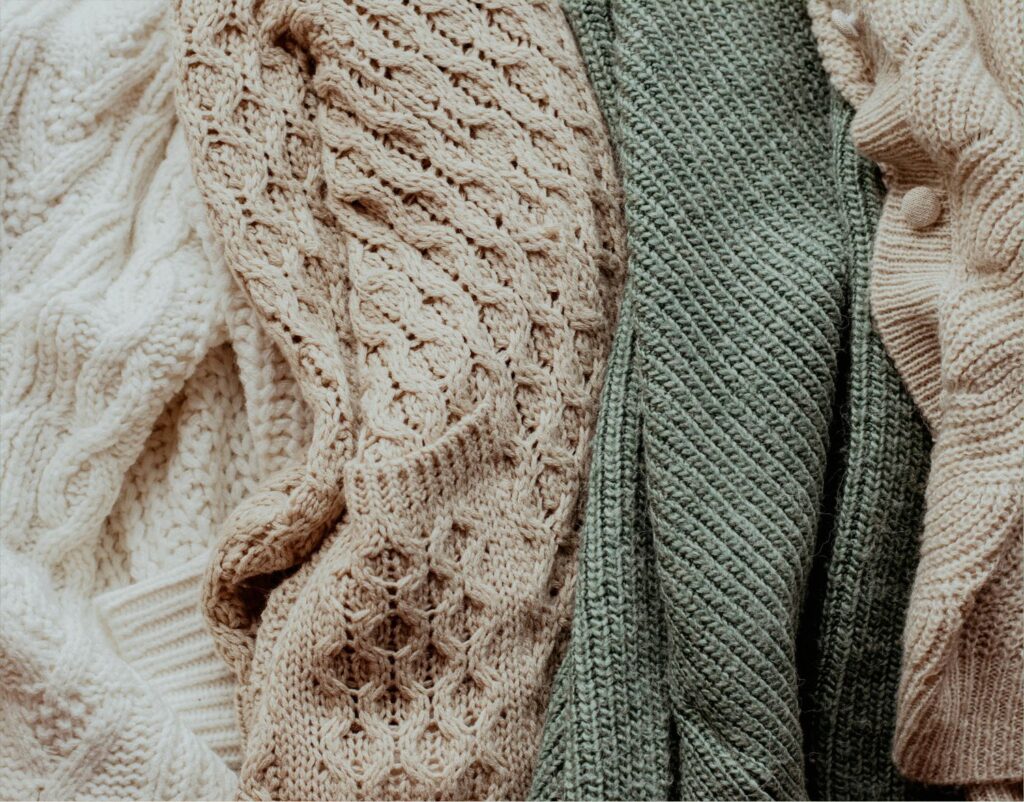
The rise of second-hand and rental fashion is further supporting sustainability. Thrift shopping, clothing swaps, and rental services are becoming more popular, especially among younger consumers. These practices extend the lifecycle of garments and reduce the need for new production. Online resale platforms have made it easier for consumers to buy and sell pre-owned clothing, contributing to a circular fashion economy.
Minimalist wardrobes and capsule collections are also gaining popularity. Consumers are focusing on versatile, mix-and-match pieces that can be worn in multiple ways. This reduces the overall number of garments needed while maintaining style and functionality. A well-curated wardrobe not only saves money but also supports sustainable consumption habits.
Despite these positive trends, challenges remain in achieving widespread sustainability in fashion. Higher costs, lack of awareness, and limited availability of sustainable options can hinder adoption. However, increasing demand and innovation are driving the industry toward more accessible and affordable solutions.
In conclusion, sustainable clothing trends are redefining the fashion industry by promoting eco-friendly materials, ethical practices, and conscious consumption. As awareness continues to grow, both brands and consumers are playing a vital role in creating a more sustainable future for fashion. By embracing these trends, the industry can reduce its environmental impact while continuing to inspire creativity and style.