




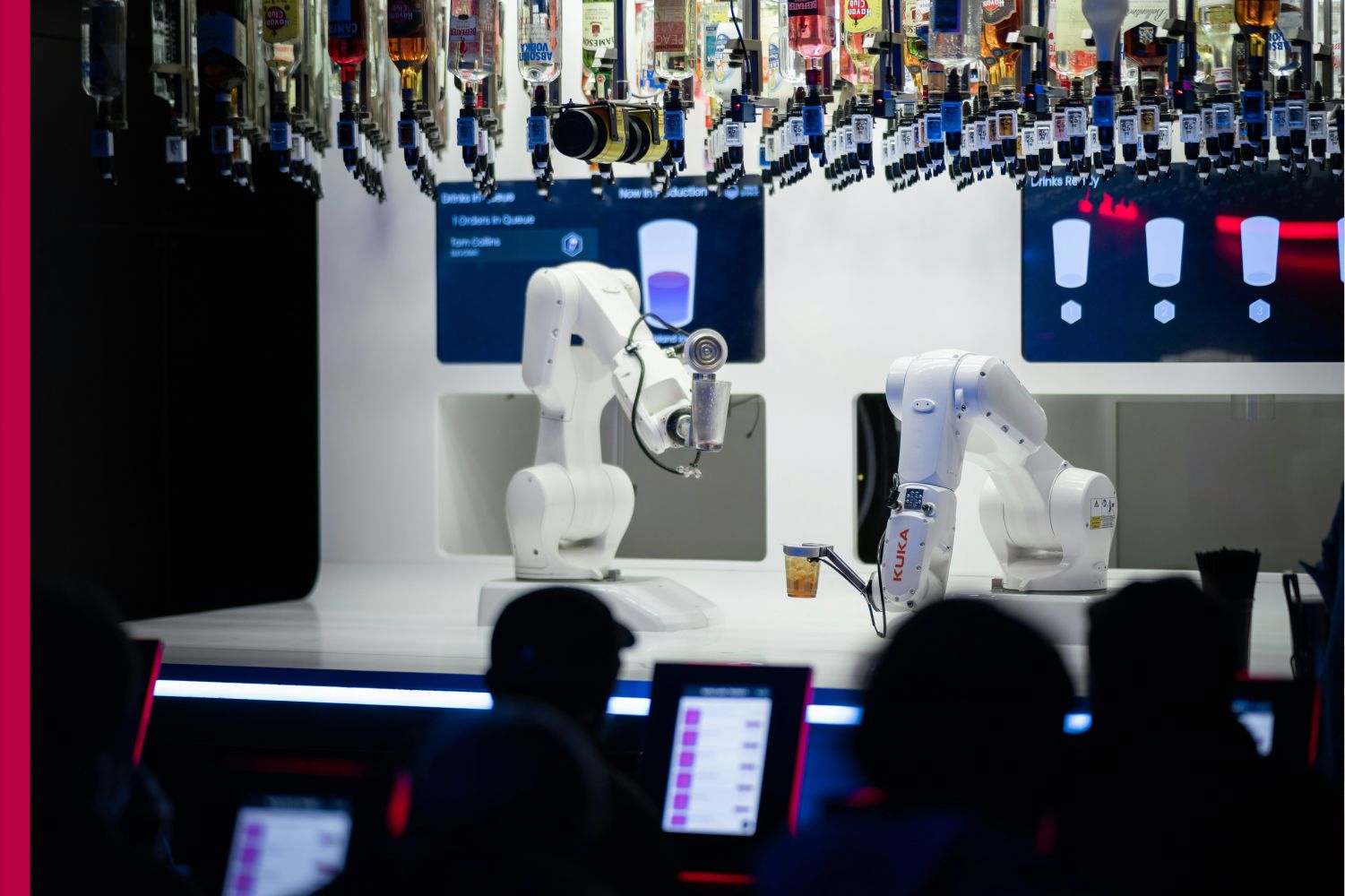
The rapid advancement of Automation is transforming industries across the globe, reshaping how work is performed and redefining the skills required in the modern workforce. From manufacturing and logistics to healthcare and finance, automation is increasing efficiency, reducing costs, and enabling businesses to scale operations. However, it also presents new challenges and opportunities for workers who must adapt to this evolving landscape.
One of the most significant impacts of automation is the shift in job roles. Routine and repetitive tasks are increasingly being handled by machines and software systems. This includes activities such as data processing, assembly line work, and basic administrative tasks. While this may reduce the demand for certain roles, it also allows human workers to focus on more complex, creative, and strategic responsibilities.
The integration of Artificial Intelligence is further accelerating the pace of automation. AI systems can analyze data, make decisions, and learn from patterns, enabling more advanced applications across industries. For example, in customer service, AI-powered chatbots can handle routine queries, while human agents focus on more complex issues. In manufacturing, intelligent machines can optimize production processes and predict maintenance needs.
As automation continues to evolve, the demand for new skills is increasing. Technical skills such as programming, data analysis, and system management are becoming essential in many industries. Workers who understand how to operate, maintain, and improve automated systems will be in high demand. However, technical expertise alone is not enough. Soft skills such as critical thinking, creativity, communication, and adaptability are equally important in an automated world.
Lifelong learning is becoming a key requirement for workforce success. Traditional education models may not be sufficient to keep up with rapid technological changes. Employees must continuously update their skills through online courses, training programs, and professional development initiatives. Organizations are also investing in upskilling and reskilling programs to help their workforce adapt to new technologies.
Another important trend is the collaboration between humans and machines. Rather than replacing workers entirely, automation often enhances human capabilities. For instance, in healthcare, automated systems assist doctors in diagnosing diseases and analyzing medical data. In logistics, automated systems improve efficiency in supply chain management while human workers oversee operations and decision-making. This collaboration creates a more productive and efficient work environment.
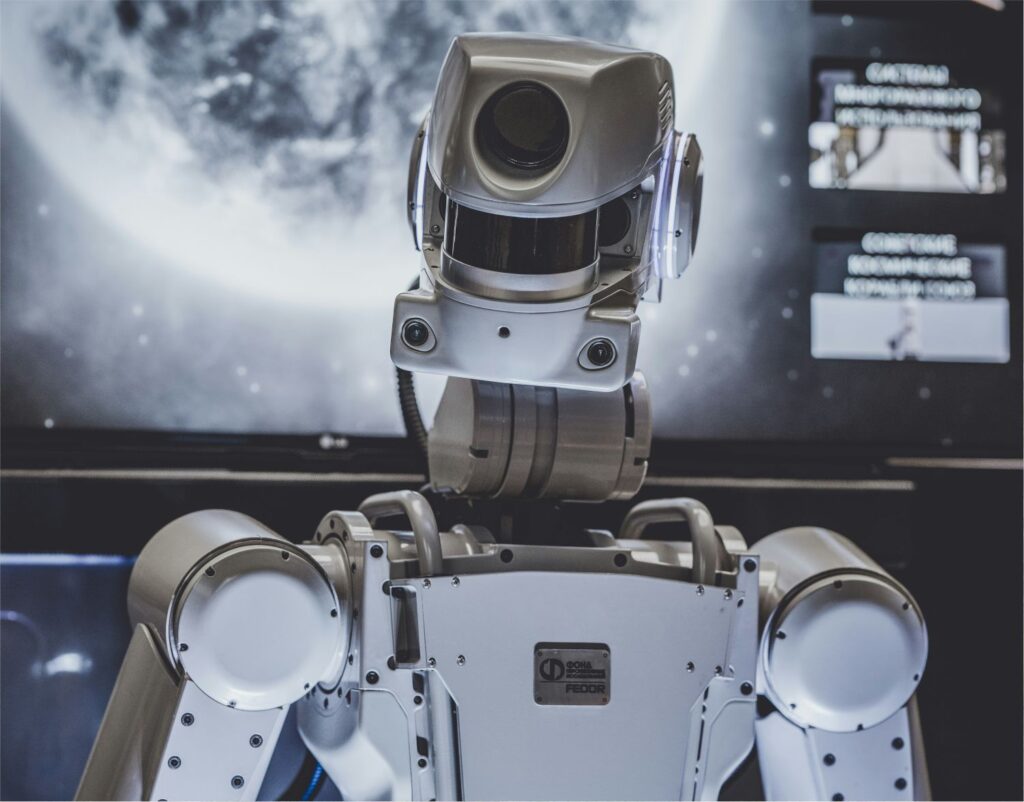
The rise of remote work and digital platforms is also closely linked to automation. Technology enables employees to work from anywhere, using digital tools and automated systems to perform their tasks. This flexibility is changing workplace dynamics and creating new opportunities for global collaboration.
Despite its benefits, automation also raises concerns about job displacement and income inequality. Workers in industries heavily reliant on manual labor may face challenges in transitioning to new roles. Governments and organizations must address these issues by creating policies that support workforce transition, including education, training, and social support systems.
Ethical considerations are also important in the future of automation. Ensuring fair use of technology, protecting data privacy, and maintaining transparency in automated systems are essential for building trust and accountability.
In conclusion, the future of automation is reshaping the workforce in profound ways. While it presents challenges such as job displacement, it also offers opportunities for growth, innovation, and improved productivity. By focusing on skill development, embracing lifelong learning, and fostering collaboration between humans and technology, individuals and organizations can successfully navigate this transformation and thrive in the evolving world of work.