



Food quality control standards play a crucial role in ensuring that the food we consume is safe, hygienic, and of high quality. These standards are designed to regulate the production, processing, packaging, storage, and distribution of food products. By following established quality control guidelines, food manufacturers, restaurants, and suppliers can maintain consistent product quality while protecting consumers from health risks associated with contaminated or unsafe food.
Food quality control involves a series of procedures and regulations that ensure food products meet specific safety and quality requirements. These standards cover various aspects such as hygiene practices, ingredient quality, proper storage conditions, packaging methods, and labeling accuracy. Governments, international organizations, and food safety authorities establish these standards to create uniform practices across the food industry.
One of the most widely recognized international food safety systems is Hazard Analysis and Critical Control Points, commonly known as HACCP. This system identifies potential hazards in the food production process and establishes preventive measures to control them. Instead of relying only on final product inspection, HACCP focuses on monitoring every stage of production to prevent contamination before it occurs. Many food processing companies adopt HACCP principles to ensure consistent safety and quality.
Another important standard in the food industry is International Organization for Standardization’s ISO 22000. This global standard specifies requirements for a food safety management system that integrates food safety practices with business management processes. It helps organizations identify risks, maintain proper documentation, and ensure compliance with international food safety guidelines. Companies that follow ISO 22000 standards demonstrate their commitment to maintaining high levels of food safety and quality.
In many countries, national regulatory bodies also play a key role in maintaining food safety. For example, in India, the Food Safety and Standards Authority of India regulates food manufacturing, packaging, labeling, and distribution. Food businesses must obtain licenses and follow strict hygiene and safety regulations to ensure that products meet the required quality standards. Regular inspections and testing help ensure that food companies comply with these regulations.
Quality control in the food industry also involves rigorous testing and inspection processes. Food samples are tested in laboratories to check for contamination, chemical residues, microbial activity, and nutritional composition. These tests help identify potential health risks and ensure that products meet safety standards before reaching consumers. Modern laboratories use advanced technologies to analyze food products accurately and quickly.
Proper storage and transportation are equally important in maintaining food quality. Many food products are sensitive to temperature, humidity, and environmental conditions. Cold chain management systems ensure that perishable foods such as dairy products, meat, and frozen foods remain fresh during transportation and storage. Maintaining the right conditions helps prevent spoilage and preserves the nutritional value of food.
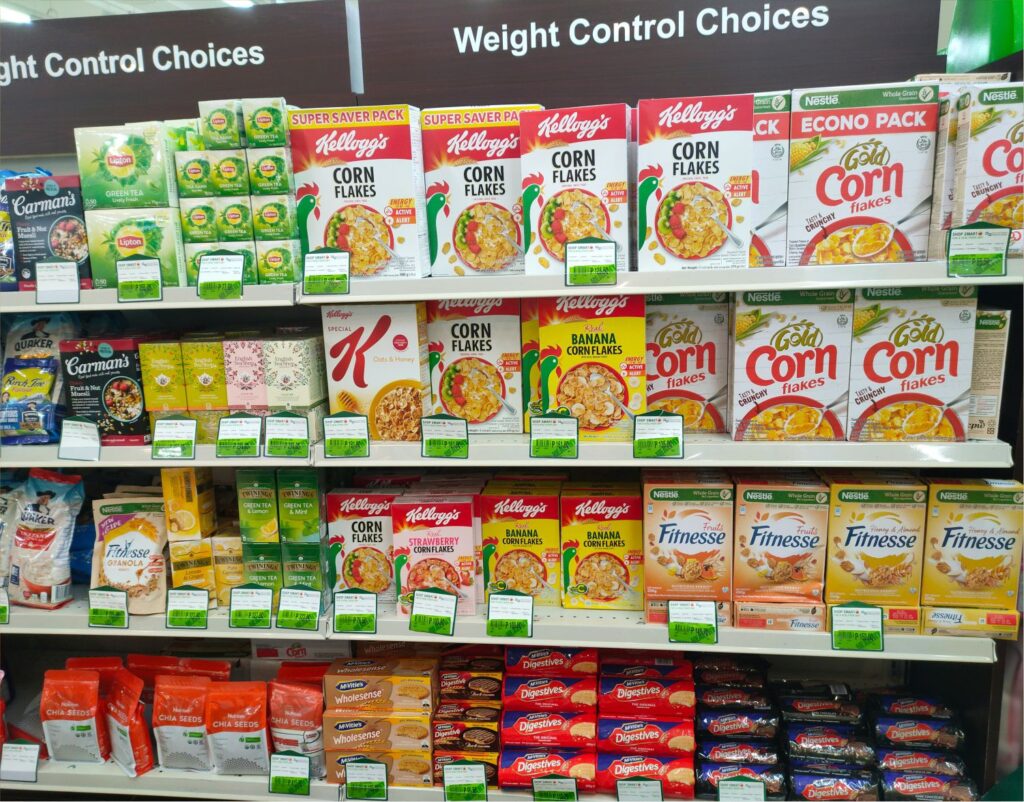
Packaging also plays an important role in food quality control. Good packaging protects food from contamination, moisture, and environmental exposure. It also provides essential information to consumers, including ingredients, nutritional values, manufacturing dates, and expiry dates. Accurate labeling ensures transparency and helps consumers make informed choices.
Employee training and hygiene practices are another essential aspect of food quality control. Workers involved in food handling must follow strict hygiene guidelines such as wearing protective clothing, maintaining clean workspaces, and practicing proper handwashing. Well-trained staff help prevent contamination and ensure that safety procedures are followed throughout the production process.
In conclusion, food quality control standards are essential for protecting public health and maintaining consumer trust in the food industry. Systems such as HACCP and ISO 22000, along with national regulatory frameworks, ensure that food products meet high safety and quality standards. By implementing strict quality control measures, food businesses can provide safe, nutritious, and reliable products to consumers while contributing to a healthier and more secure global food supply.