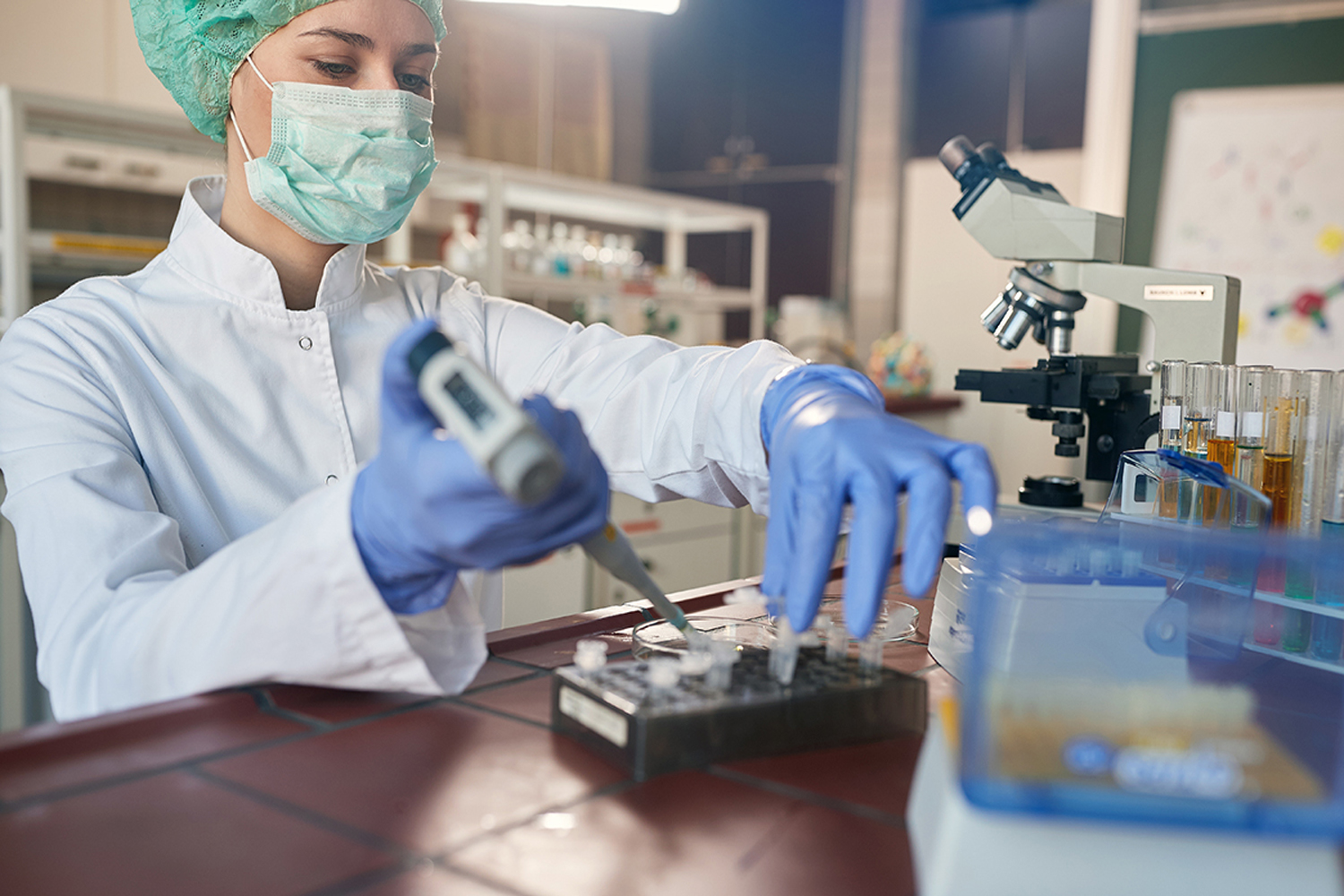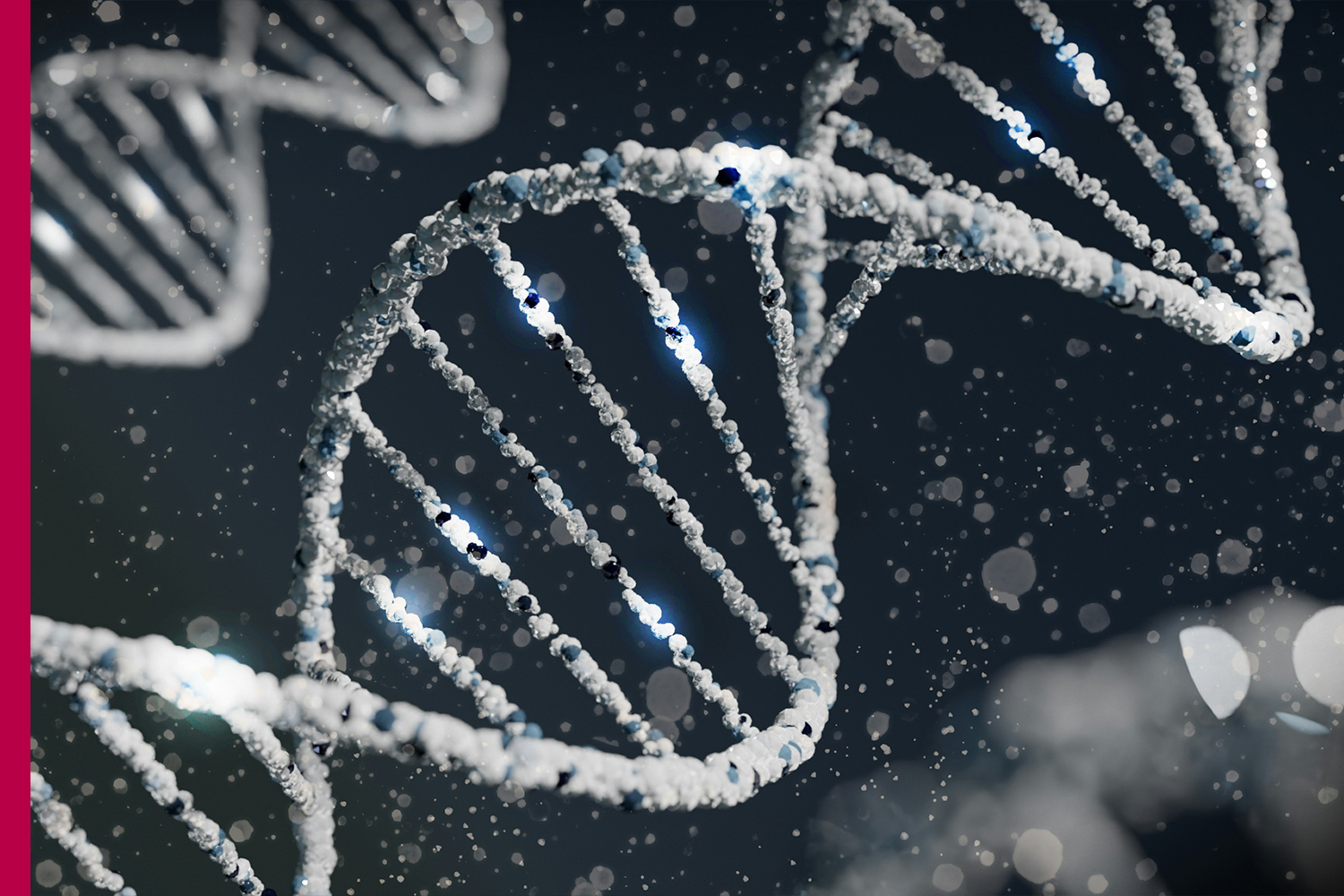




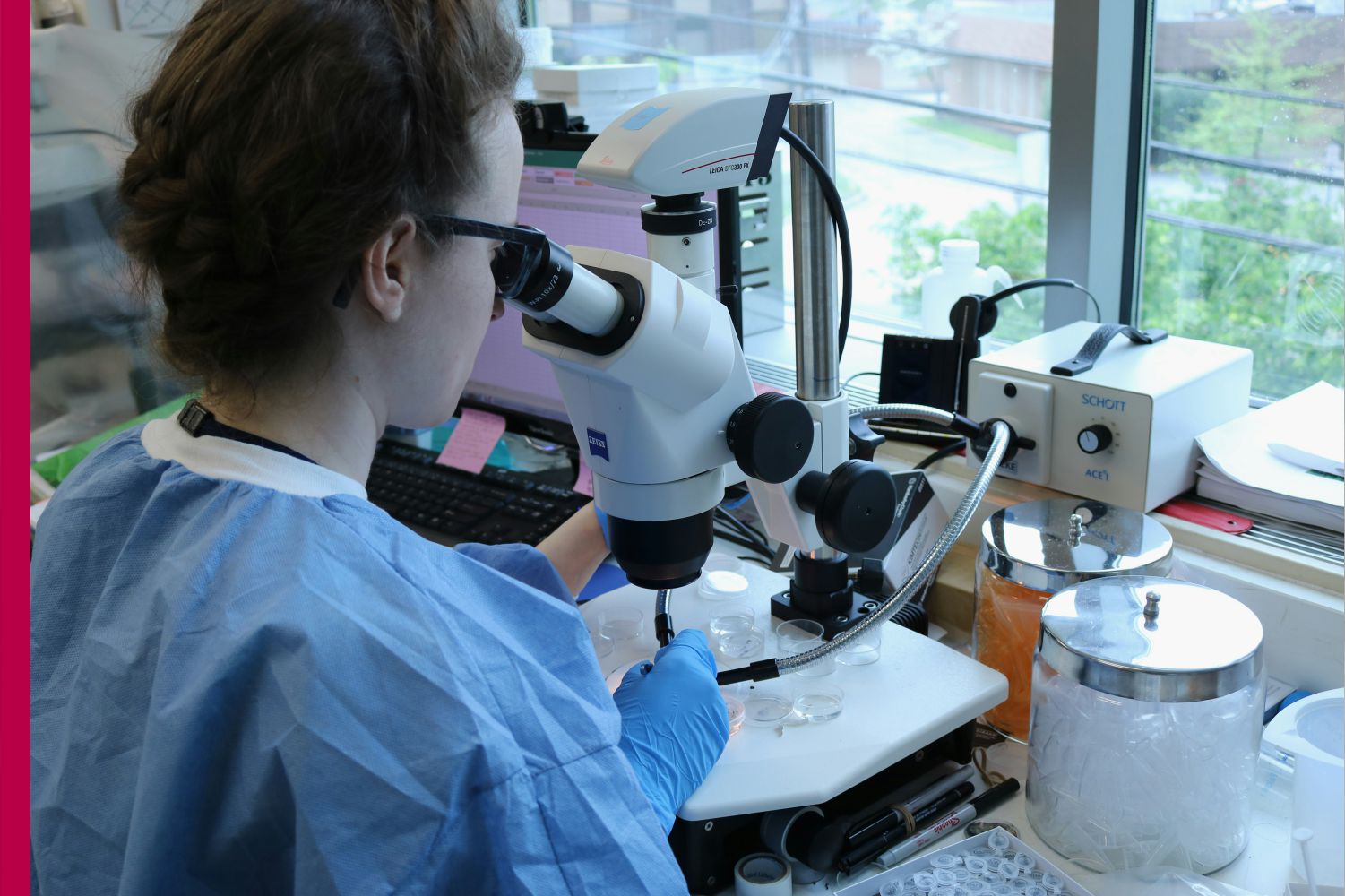
Biotechnology has become one of the most influential fields in healthcare and medicine, revolutionizing the way diseases are diagnosed, treated, and prevented. By combining biology with advanced technologies, biotechnology enables scientists and healthcare professionals to develop innovative solutions that improve patient outcomes and enhance quality of life. From genetic research to advanced drug development, biotechnology continues to shape the future of modern medicine.
One of the most significant applications of biotechnology is in the development of pharmaceuticals and vaccines. Biotechnological methods allow researchers to produce complex drugs such as insulin, growth hormones, and monoclonal antibodies using living cells. These biologic drugs are highly effective in treating conditions like diabetes, cancer, and autoimmune disorders. Biotechnology has also played a critical role in vaccine development, enabling faster production and improved safety through techniques such as recombinant DNA technology.
Biotechnology is also transforming disease diagnosis and detection. Advanced diagnostic tools based on molecular biology can identify diseases at very early stages. Techniques such as polymerase chain reaction and genetic testing help detect infections, inherited disorders, and cancers with high accuracy. Early diagnosis allows timely treatment, improves survival rates, and reduces overall healthcare costs.
Personalized medicine is another major breakthrough driven by biotechnology. By analyzing an individual’s genetic makeup, healthcare providers can tailor treatments to suit specific patients. This approach improves drug effectiveness and minimizes side effects. Personalized therapies are particularly beneficial in cancer treatment, where targeted therapies are designed to attack cancer cells without harming healthy tissue.
Gene therapy and regenerative medicine represent some of the most promising applications of biotechnology. Gene therapy involves correcting or replacing faulty genes to treat genetic disorders. Regenerative medicine focuses on repairing or replacing damaged tissues and organs using stem cells and tissue engineering. These innovations offer hope for treating previously incurable diseases and injuries, including spinal cord damage and degenerative conditions.
Biotechnology also plays an important role in medical research and drug discovery. Advanced tools such as bioinformatics and computational biology help scientists analyze large datasets, identify disease mechanisms, and discover potential drug targets more efficiently. This accelerates the development of new therapies and reduces the time required to bring medicines to market.
In addition, biotechnology supports advancements in medical devices and diagnostics. Biosensors, lab-on-a-chip technologies, and wearable health monitoring devices use biotechnological principles to provide real-time health data. These technologies improve patient monitoring, enable preventive care, and support better clinical decision-making.
In conclusion, biotechnology applications in healthcare and medicine are transforming the way diseases are understood and treated. By enabling innovative therapies, precise diagnostics, and personalized care, biotechnology is improving patient outcomes and shaping a more effective healthcare system. As research and technology continue to advance, biotechnology will remain a driving force in delivering safer, smarter, and more sustainable medical solutions for the future.