




The fashion industry is one of the largest and most influential sectors in the world, but it is also among the most resource-intensive and environmentally impactful. In recent years, sustainable fashion and ethical clothing have emerged as powerful movements aimed at transforming how clothes are designed, produced, and consumed. These approaches focus on minimizing environmental harm, ensuring fair labor practices, and promoting responsible consumer behavior, making fashion more conscious and future-ready.
Sustainable fashion emphasizes reducing the environmental footprint of clothing throughout its lifecycle. This includes using eco-friendly materials such as organic cotton, bamboo, hemp, recycled polyester, and natural dyes. These materials require fewer resources, reduce chemical usage, and generate less pollution compared to conventional fabrics. Sustainable production methods also prioritize water conservation, energy efficiency, and waste reduction, addressing critical environmental challenges faced by the fashion industry.
Ethical clothing, closely linked to sustainability, focuses on the social aspects of fashion production. It ensures fair wages, safe working conditions, and respect for workers’ rights across the supply chain. Ethical fashion brands promote transparency by sharing information about sourcing, manufacturing, and labor practices. By doing so, they help consumers make informed choices and support businesses that value human dignity and social responsibility.
One of the major drivers behind the rise of sustainable and ethical fashion is growing consumer awareness. Modern consumers are increasingly concerned about climate change, pollution, and social inequality. They are questioning fast fashion models that encourage overproduction, low-quality garments, and excessive waste. In response, many brands are shifting toward slow fashion, which emphasizes quality, durability, and timeless design over rapid trend cycles.

Technology and innovation play a key role in advancing sustainable fashion. Digital design tools reduce material waste during sampling, while advancements in textile recycling and biodegradable fabrics are creating new possibilities for circular fashion. Circular fashion models encourage reuse, repair, resale, and recycling, extending the life of garments and reducing landfill waste. Rental platforms and second-hand marketplaces further support sustainable consumption habits.
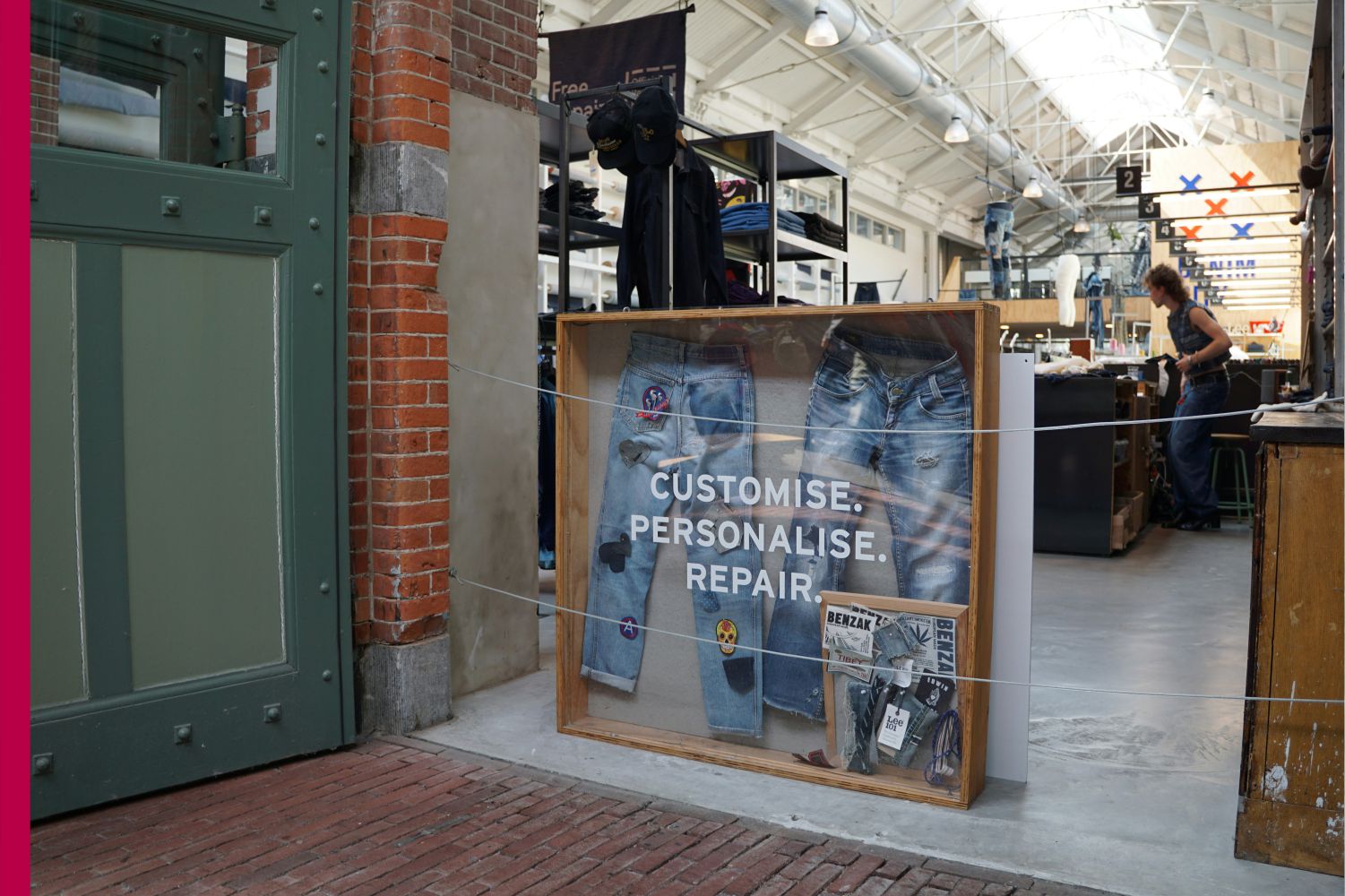
Sustainable fashion also promotes mindful consumer behavior. Ethical clothing encourages buyers to consider the impact of their purchases, choose quality over quantity, and care for garments responsibly. Simple actions such as repairing clothes, washing them less frequently, and donating or recycling unused items contribute to a more sustainable fashion ecosystem.
Despite its positive impact, sustainable fashion faces challenges such as higher production costs, limited scalability, and lack of standardized regulations. However, increasing collaboration between designers, manufacturers, policymakers, and consumers is driving progress. Government initiatives, certifications, and sustainability standards are helping build trust and accountability within the industry.
In conclusion, sustainable fashion and ethical clothing represent a shift toward a more responsible and inclusive fashion industry. By prioritizing environmental protection, ethical labor practices, and conscious consumption, these movements are redefining the future of style. As awareness continues to grow, sustainable and ethical fashion will play a crucial role in creating a balanced relationship between fashion, people, and the planet.