






Modern defense technology has evolved rapidly in response to changing global security challenges and the increasing complexity of warfare. Traditional military strategies are now supported and enhanced by advanced technologies that improve precision, intelligence, communication, and protection. These innovations are reshaping how nations defend their interests, maintain security, and respond to emerging threats in an interconnected world.
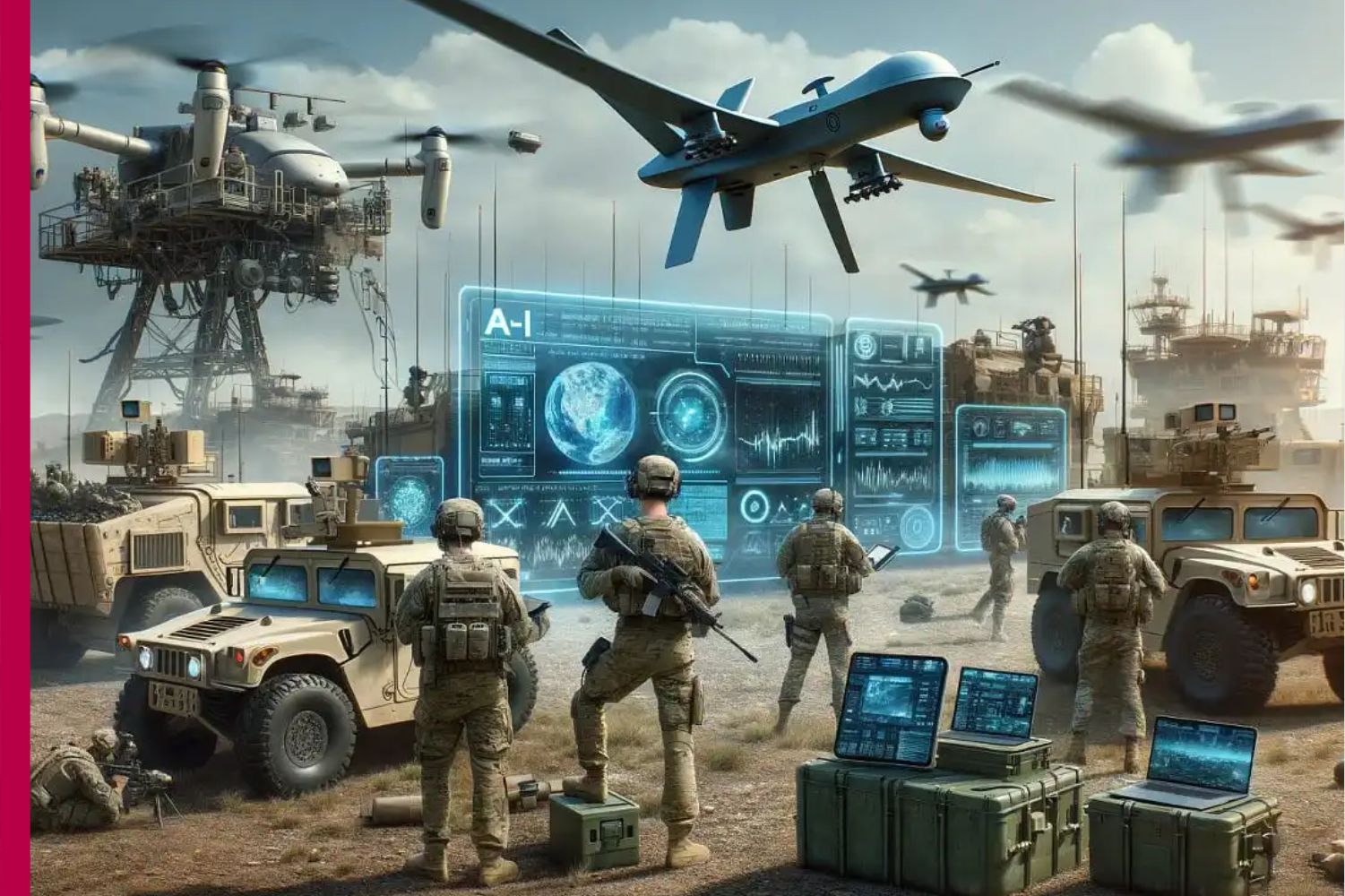
One of the most significant advancements in modern defense technology is the integration of artificial intelligence and data-driven systems. AI enables faster analysis of vast amounts of information collected from satellites, drones, radar systems, and surveillance networks. This allows military decision-makers to assess situations in real time and respond more effectively. AI-powered systems are also used for predictive analysis, helping anticipate potential threats and optimize strategic planning.
Unmanned systems have become a defining feature of modern defense capabilities. Drones, unmanned ground vehicles, and autonomous naval systems are widely used for reconnaissance, surveillance, and logistics support. These systems reduce risks to human personnel while providing continuous monitoring and operational flexibility. Advances in autonomy and control systems have improved their reliability, range, and mission capabilities, making them essential assets in both combat and support operations.
Cyber defense technology has emerged as a critical area of focus as warfare increasingly extends into the digital domain. Protecting military networks, communication systems, and critical infrastructure from cyberattacks is now a top priority for defense organizations. Advanced encryption, threat detection algorithms, and real-time monitoring tools help safeguard sensitive data and ensure uninterrupted operations. Cyber defense capabilities also enable nations to deter and respond to digital threats that could compromise national security.
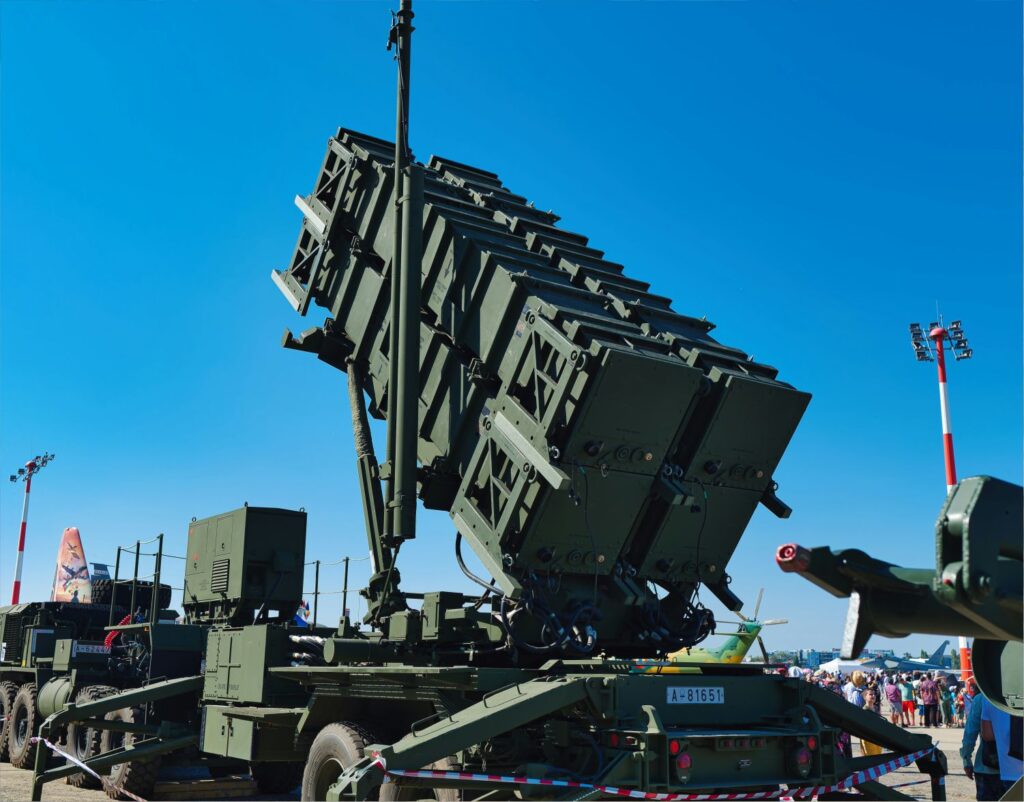
Another key advancement lies in precision-guided weapon systems. Modern weapons are designed with enhanced accuracy, allowing for targeted engagement while minimizing collateral damage. Technologies such as GPS guidance, advanced sensors, and smart targeting systems improve mission effectiveness and operational efficiency. These advancements support strategic objectives while aligning with evolving standards of accountability and control in defense operations.
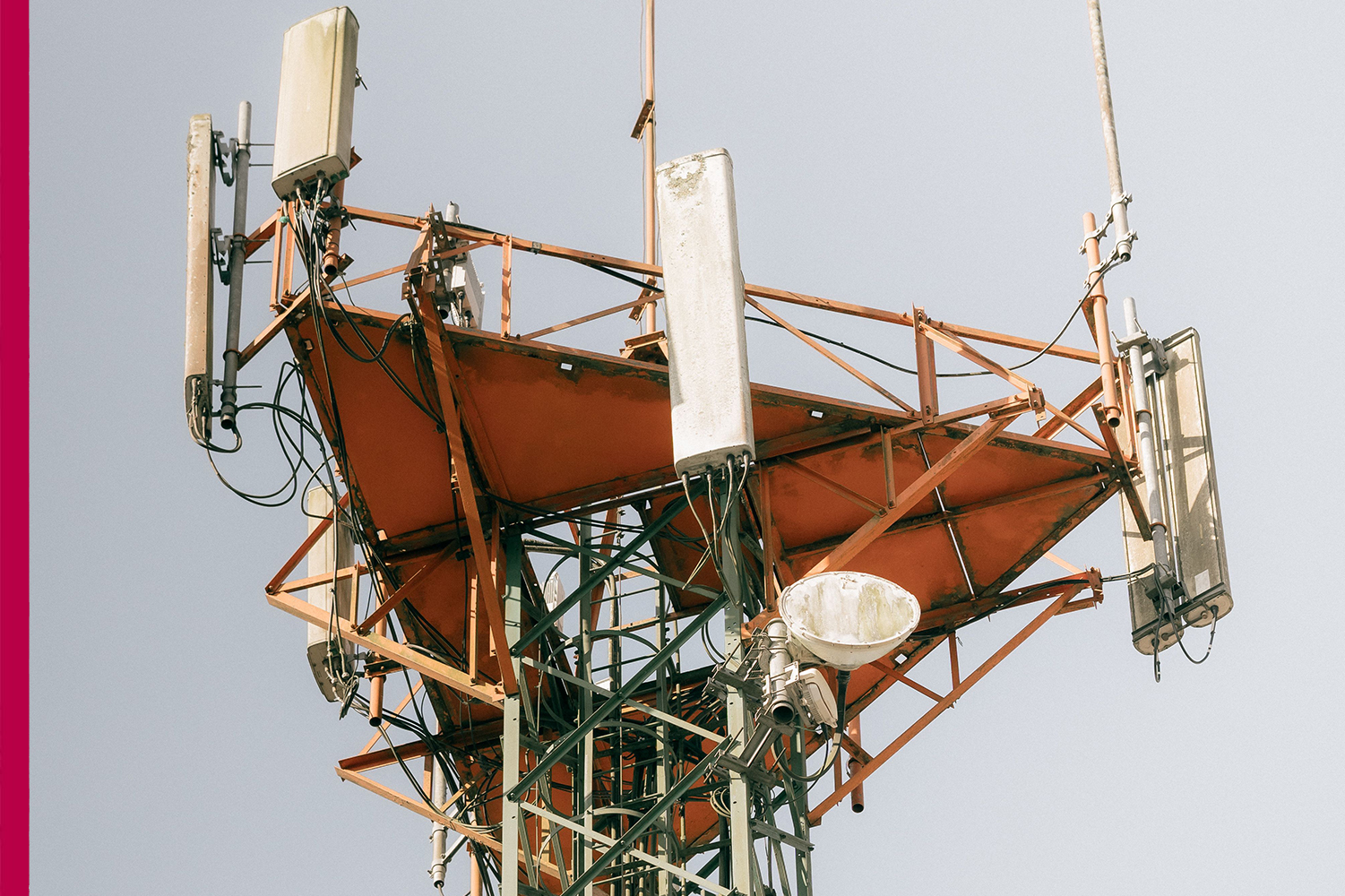
Defense technology has also seen major progress in communication and command systems. Secure, high-speed communication networks enable seamless coordination between air, land, sea, space, and cyber forces. Modern command-and-control systems provide a unified operational picture, allowing leaders to make informed decisions quickly. Enhanced interoperability ensures that different units and allied forces can operate together efficiently in complex environments.
Additionally, advancements in materials science and protective technologies are improving the safety and performance of defense equipment. Lightweight composite materials, advanced armor systems, and adaptive camouflage enhance mobility and protection for personnel and vehicles. Innovations in energy systems and logistics technology are also improving operational endurance and sustainability in demanding environments.
In conclusion, modern defense technology advancements are transforming the nature of security and military operations. By combining intelligence, automation, precision, and resilience, these technologies enable defense forces to address evolving threats with greater effectiveness and responsibility. As innovation continues to accelerate, defense technology will play a crucial role in shaping a safer and more secure future.