




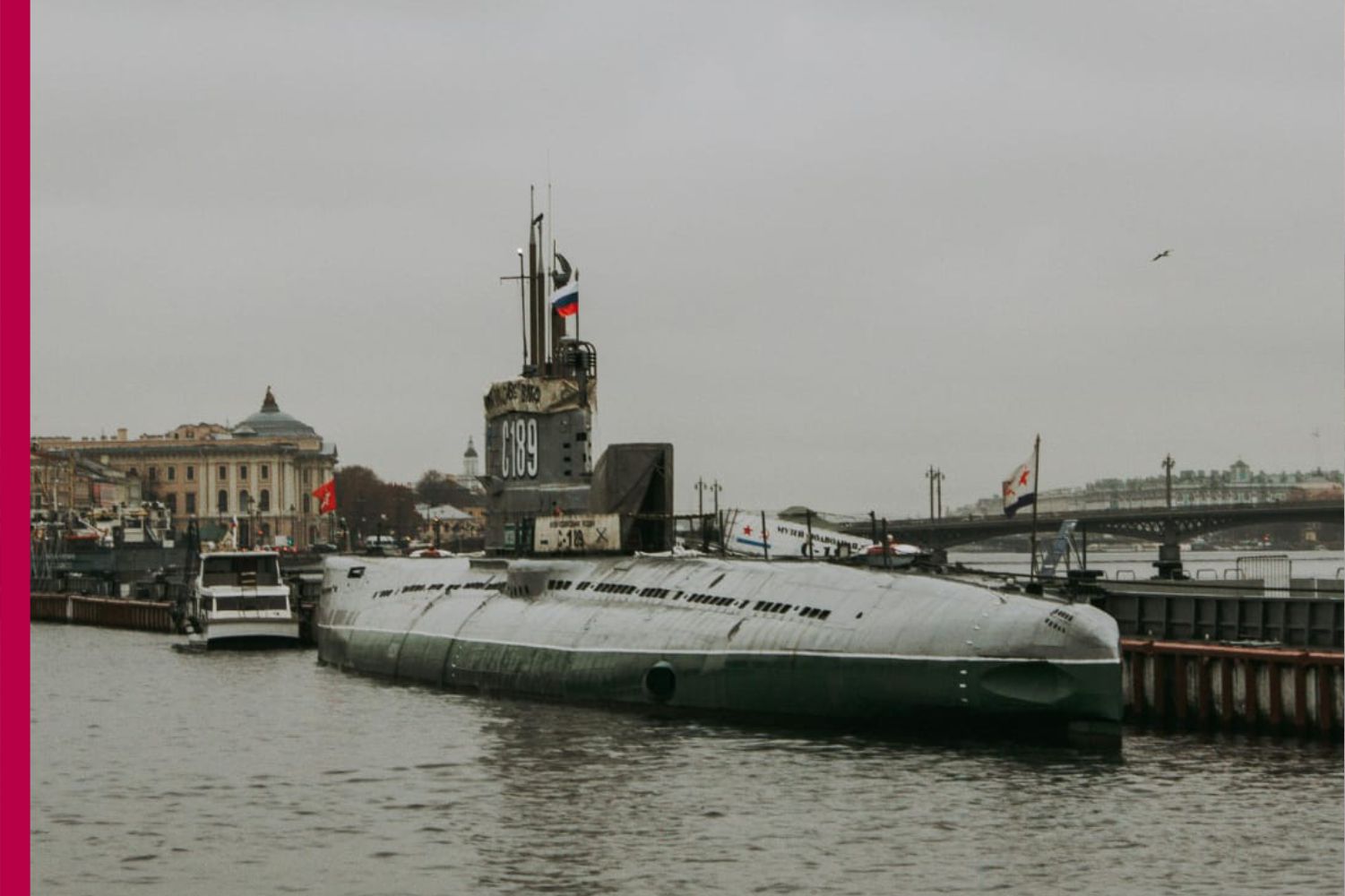
A submarine is a highly advanced underwater vessel designed to operate beneath the ocean’s surface for extended periods. Unlike surface ships, submarines have the unique ability to dive deep into the sea, navigate silently, and remain hidden from detection. This capability makes them extremely valuable for both military operations and scientific exploration. Over time, submarines have evolved into complex machines that combine engineering excellence with cutting-edge technology.
One of the defining features of a submarine is its ability to submerge and resurface at will. This is made possible through ballast tanks, which are filled with water to allow the submarine to sink and emptied with air to rise back to the surface. The streamlined shape of submarines helps them move efficiently underwater, reducing resistance and noise. Stealth is a critical factor, especially in defense operations, and modern submarines are designed to minimize sound and avoid detection.
Power systems play a crucial role in submarine operations. Traditional submarines use diesel-electric engines, which run on diesel fuel while on the surface and switch to electric batteries when submerged. Nuclear-powered submarines, on the other hand, use nuclear reactors that generate immense energy, allowing them to stay underwater for months without refueling. This extended endurance makes nuclear submarines especially important for long-range missions and strategic patrols.
Submarines are equipped with sophisticated technology to operate in the dark and high-pressure environment of the deep sea. Sonar systems help detect objects, terrain, and other vessels by using sound waves. Periscopes and advanced imaging systems allow crews to observe the surface without revealing their position. Navigation systems, communication equipment, and life-support mechanisms ensure accurate movement, connectivity, and crew safety in extreme underwater conditions.
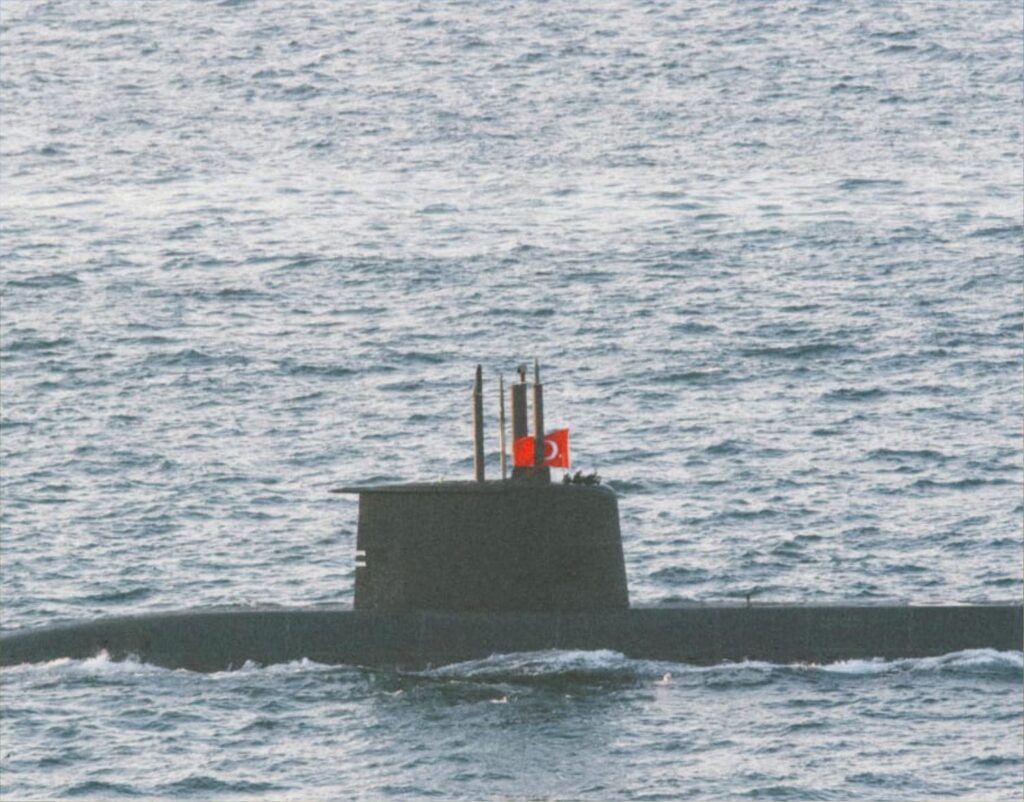
In military defense, submarines are a key component of naval power. They are used for surveillance, intelligence gathering, deterrence, and strategic strikes. Because of their ability to remain hidden, submarines serve as a powerful tool for national security. Their presence alone can act as a deterrent, helping maintain balance and stability between nations.
Beyond defense, submarines play an important role in scientific research. Research submarines and submersibles enable scientists to explore the deep ocean, study marine ecosystems, and examine underwater geology. They help in discovering new species, mapping the ocean floor, and understanding processes such as plate tectonics and underwater volcanoes. These missions expand human knowledge of the oceans, which cover the majority of Earth’s surface yet remain largely unexplored.
Submarines are also used in rescue missions, underwater construction, and inspection of pipelines and cables. Their versatility makes them valuable tools for both commercial and environmental purposes. As technology advances, newer submarines are becoming more efficient, safer, and environmentally conscious.
In conclusion, submarines represent one of humanity’s most remarkable engineering achievements. By enabling exploration of the deep sea and strengthening national defense, they play a vital role in modern society. As advancements continue, submarines will further expand our understanding of the oceans while ensuring security beneath the waves.