









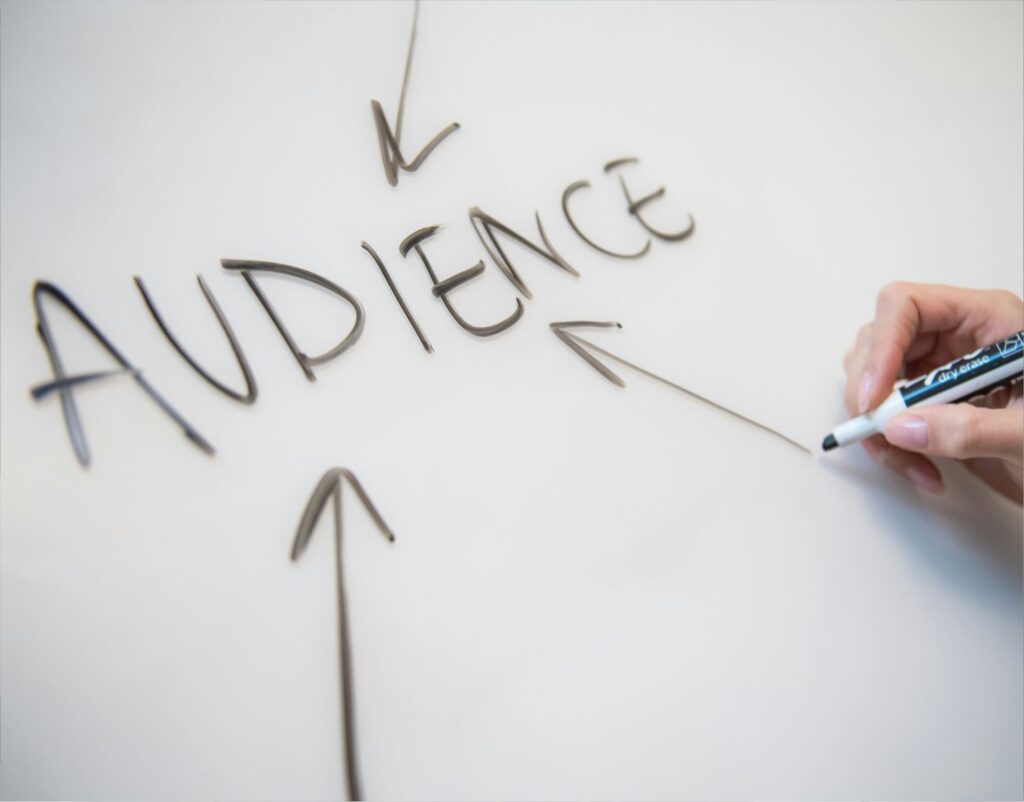
A target audience refers to a specific group of people that a business, brand, or creator aims to reach with its message, product, or service. Understanding the target audience is one of the most important steps in marketing and communication because it determines how a message is designed, delivered, and received. Without a clearly defined target audience, even the most creative campaigns may fail to create impact.
At its core, identifying a target audience means understanding who is most likely to be interested in what is being offered. This group is usually defined by factors such as age, gender, location, income level, education, lifestyle, interests, and behavior. For example, a fitness brand may focus on health-conscious individuals, while a luxury brand may target high-income consumers seeking premium experiences. Knowing these details helps shape messaging that feels relevant and relatable.
A well-defined target audience allows brands to communicate more effectively. Instead of using a generic message that tries to appeal to everyone, businesses can tailor their tone, language, visuals, and platforms to suit their audience’s preferences. Younger audiences may respond better to social media content and informal language, while professionals might prefer informative content delivered through websites or emails. This alignment increases engagement and builds trust.
Understanding the target audience also plays a key role in product development. When businesses know their audience’s needs, challenges, and expectations, they can create products or services that solve real problems. Customer feedback, surveys, and market research provide valuable insights that help refine offerings. This customer-centric approach not only improves satisfaction but also increases the likelihood of long-term loyalty.
In digital marketing, defining a target audience has become more precise due to data and analytics. Online platforms allow businesses to track user behavior, preferences, and interactions. This data helps in segmenting audiences and delivering personalized content, advertisements, and recommendations. Personalized marketing feels more meaningful to consumers and often leads to higher conversion rates compared to broad, untargeted campaigns.
Target audiences are not static; they evolve over time. Changes in technology, culture, trends, and consumer behavior can shift audience preferences. Successful brands continuously analyze and update their understanding of their audience to stay relevant. This adaptability ensures that communication remains effective even as markets change.
Another important aspect of defining a target audience is avoiding wasted resources. Marketing budgets, time, and effort are limited, so focusing on the right audience ensures better returns on investment. Instead of spreading resources too thin, brands can concentrate on channels and strategies that deliver the most value.
Beyond business, the concept of a target audience applies to content creators, educators, and non-profit organizations as well. Writers adjust their tone based on readers, teachers adapt lessons for students, and social campaigns tailor messages to specific communities. In every case, understanding the audience strengthens the connection between the message and the receiver.
In conclusion, the target audience is the foundation of successful communication. By clearly defining and understanding who they are speaking to, brands and individuals can create meaningful, engaging, and effective messages. A strong connection with the right audience not only drives results but also builds lasting relationships based on relevance and trust.