







Keyboards are one of the most fundamental input devices in modern computing, serving as a direct bridge between human thought and digital action. From writing documents and coding software to gaming and communication, keyboards play a vital role in how people interact with technology. Despite the rise of touchscreens and voice commands, keyboards remain indispensable due to their precision, speed, and tactile feedback.
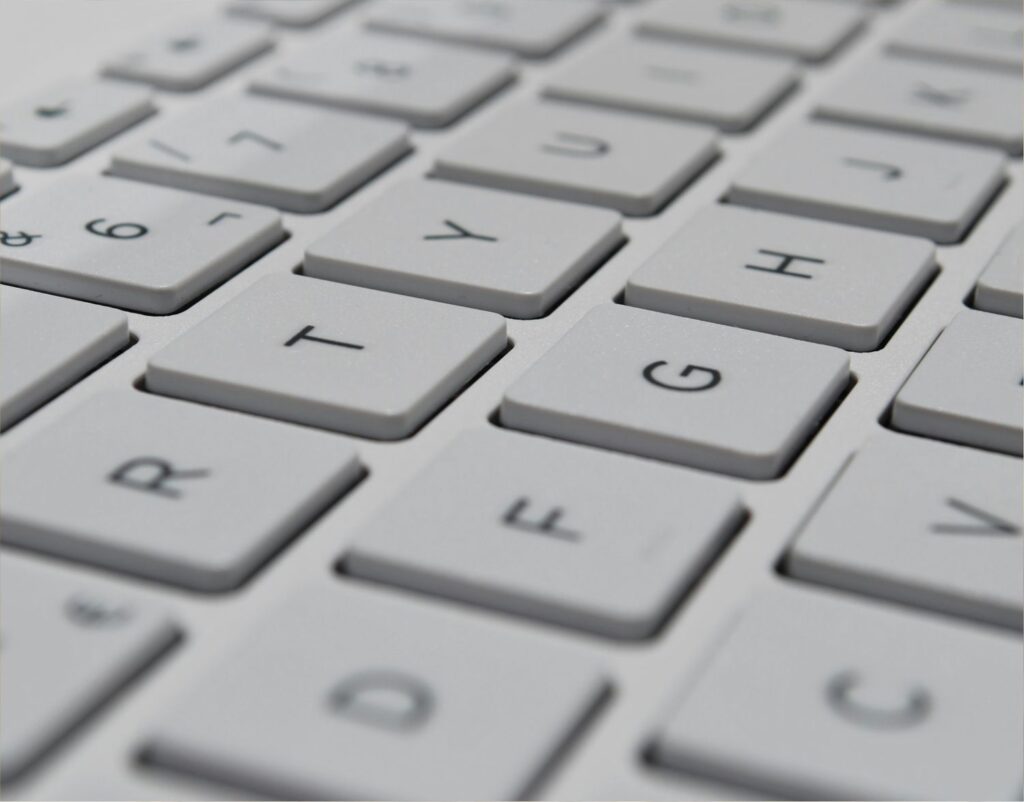
The basic function of a keyboard is to convert keystrokes into digital signals that a computer can understand. Over time, this simple function has evolved into a wide variety of designs and technologies. The most common layout used today is the QWERTY keyboard, which originated from early typewriters. Although alternative layouts exist, QWERTY has become the global standard due to familiarity and widespread adoption.
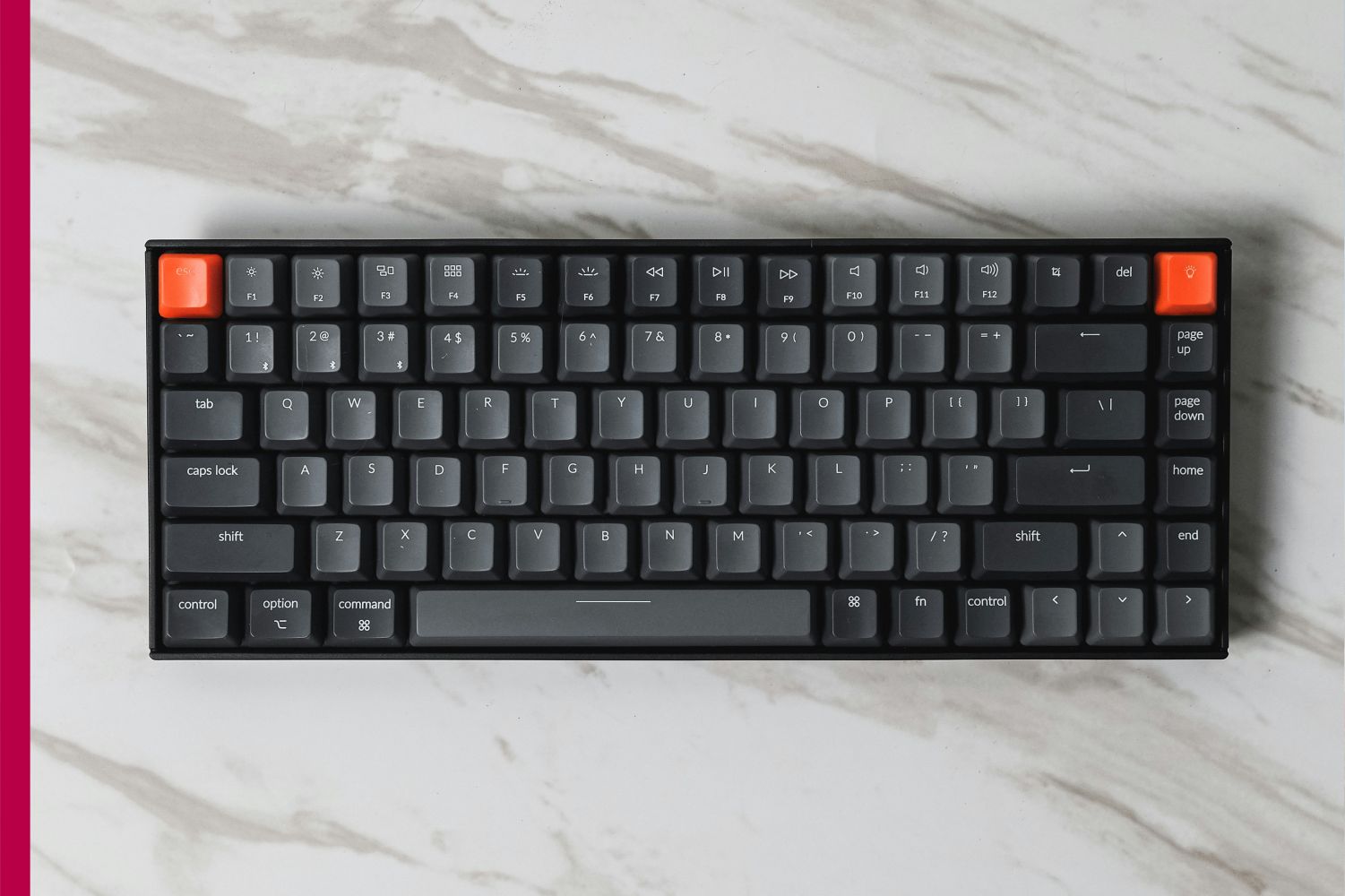
Keyboards come in different types, each designed to meet specific needs. Membrane keyboards are widely used because they are affordable, lightweight, and quiet. They use pressure pads beneath the keys, making them suitable for everyday tasks such as browsing and office work. Mechanical keyboards, on the other hand, are popular among gamers and professionals. Each key has its own mechanical switch, offering better durability, faster response times, and a satisfying tactile feel. These keyboards often allow customization of switches, keycaps, and lighting.
Ergonomic keyboards are designed with user comfort in mind. Prolonged typing can lead to strain on the wrists and hands, so ergonomic designs feature split layouts, curved shapes, and adjustable angles to reduce discomfort and prevent repetitive strain injuries. These keyboards are especially beneficial for people who spend long hours typing.
Keyboards also play a major role in gaming. Gaming keyboards often feature features such as anti-ghosting, programmable keys, and RGB backlighting. These enhancements improve performance, allow customization, and create an immersive gaming experience. Many gamers prefer mechanical keyboards for their speed, accuracy, and durability under intense use.
Beyond functionality, keyboards are also tools of personal expression. Custom keyboards have gained popularity, allowing users to choose unique keycap designs, switch types, colors, and layouts. This customization transforms keyboards into creative and personal accessories rather than just functional devices.
Despite emerging technologies like voice input and gesture control, keyboards remain irreplaceable. They provide accuracy, control, and efficiency that other input methods struggle to match. For writers, programmers, designers, and gamers alike, the keyboard is more than a tool—it is an extension of thought and creativity.
In a world driven by digital interaction, keyboards continue to evolve while maintaining their essential role. As technology advances, keyboards will adapt with new features and designs, but their importance as a primary means of communication between humans and machines will remain strong.