




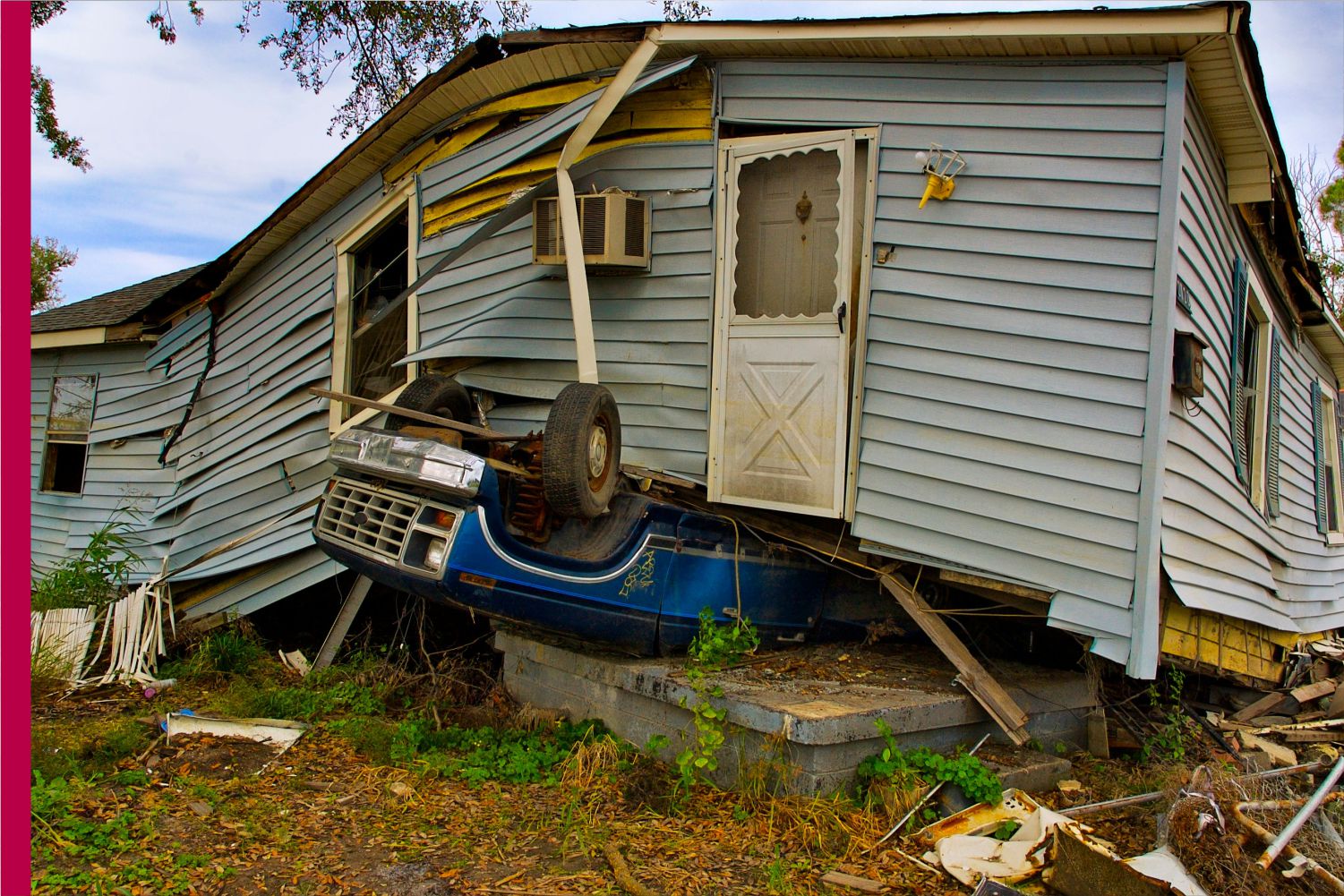
Natural calamities are powerful reminders of nature’s unpredictability and strength. These sudden events whether earthquakes, floods, cyclones, wildfires, or volcanic eruptions can transform landscapes, disrupt communities, and leave lasting effects on the environment and human life. While natural calamities cannot always be prevented, understanding their causes, impacts, and the importance of preparedness can greatly reduce the damage they inflict.
Natural calamities occur due to various geological, atmospheric, and environmental processes. Earthquakes happen when tectonic plates beneath the Earth’s surface shift abruptly, releasing massive energy. Floods result from heavy rainfall, overflowing rivers, or rapid melting of glaciers. Cyclones and hurricanes develop from warm ocean waters and unstable atmospheric conditions, bringing strong winds and heavy rains. Wildfires often start due to dry weather, lightning strikes, or human negligence. Each calamity has its own triggers, yet all share the ability to cause widespread destruction.
The impact of natural calamities extends far beyond physical damage. They can lead to loss of lives, displacement of families, destruction of homes, and disruption of essential services like electricity, transportation, and communication. Economically, the aftermath can be devastating as businesses shut down, agricultural lands are destroyed, and infrastructure requires extensive rebuilding. For developing nations, recovery becomes even more challenging due to limited resources and support systems.
Environmental consequences are also significant. Floods can contaminate water sources, landslides can reshape mountains and forests, and wildfires can destroy habitats, reducing biodiversity. Oceans, rivers, and forests already under pressure from human activities face additional stress when natural disasters strike. These environmental shifts can affect ecosystems for years, impacting both wildlife and human communities that depend on them.
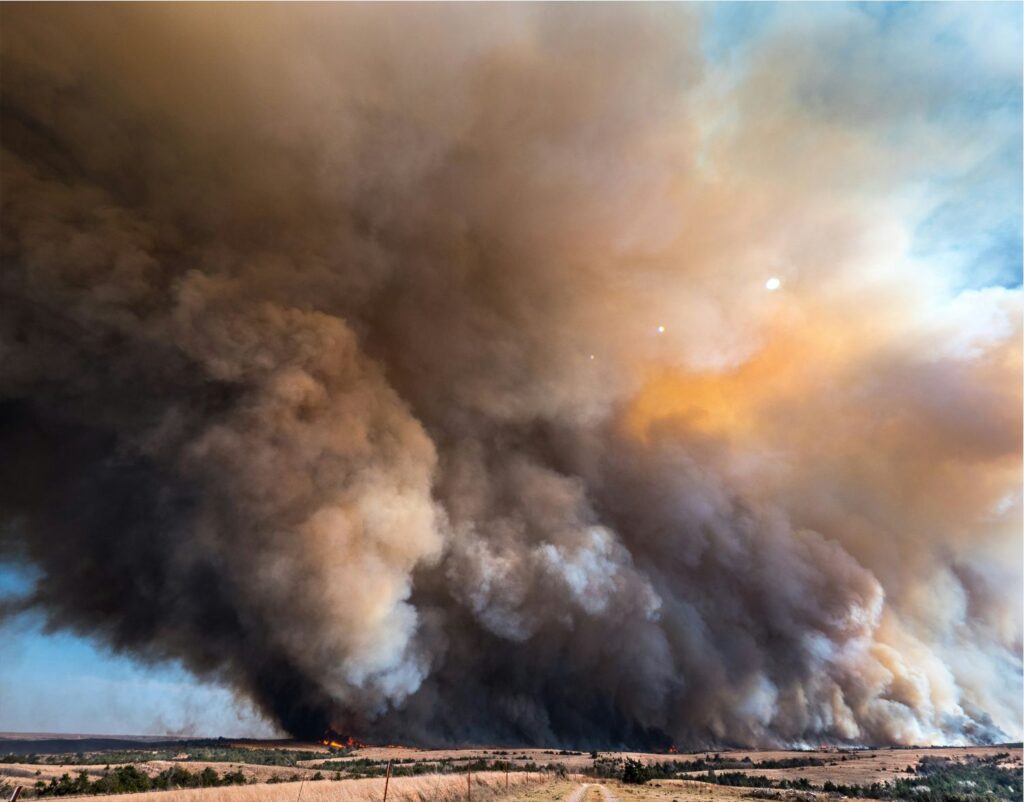
However, not all outcomes are negative. Natural calamities often bring communities together, highlighting the importance of teamwork, resilience, and compassion. They also push governments and organizations to strengthen disaster management systems. Improved early-warning technology, emergency response training, and sustainable infrastructure all contribute to minimizing the impact of future calamities. Countries prone to earthquakes, for example, now use shock-resistant building designs, while flood-prone regions develop better drainage systems and flood forecasting models.
Preparedness plays a key role in reducing disaster-related losses. Simple steps like creating emergency kits, understanding evacuation routes, and staying informed through reliable weather alerts can save lives. Public awareness campaigns and school programs teach citizens how to respond during emergencies. International cooperation, too, is essential, as nations often help each other with resources, expertise, and relief efforts during major disasters.
Climate change is another factor increasing the frequency and intensity of natural calamities. Rising sea levels, unpredictable weather patterns, and extreme temperatures contribute to stronger storms, prolonged droughts, and more severe wildfires. Addressing climate change through sustainable practices, renewable energy, and responsible resource use is crucial in preventing further environmental crises.
Natural calamities remind us of the fragile balance between humans and nature. While we cannot control these events, we can learn from them, prepare better, and work together to build safer and more resilient communities. Through awareness, innovation, and collective action, humanity can face natural disasters with strength, understanding, and hope for a safer future.