
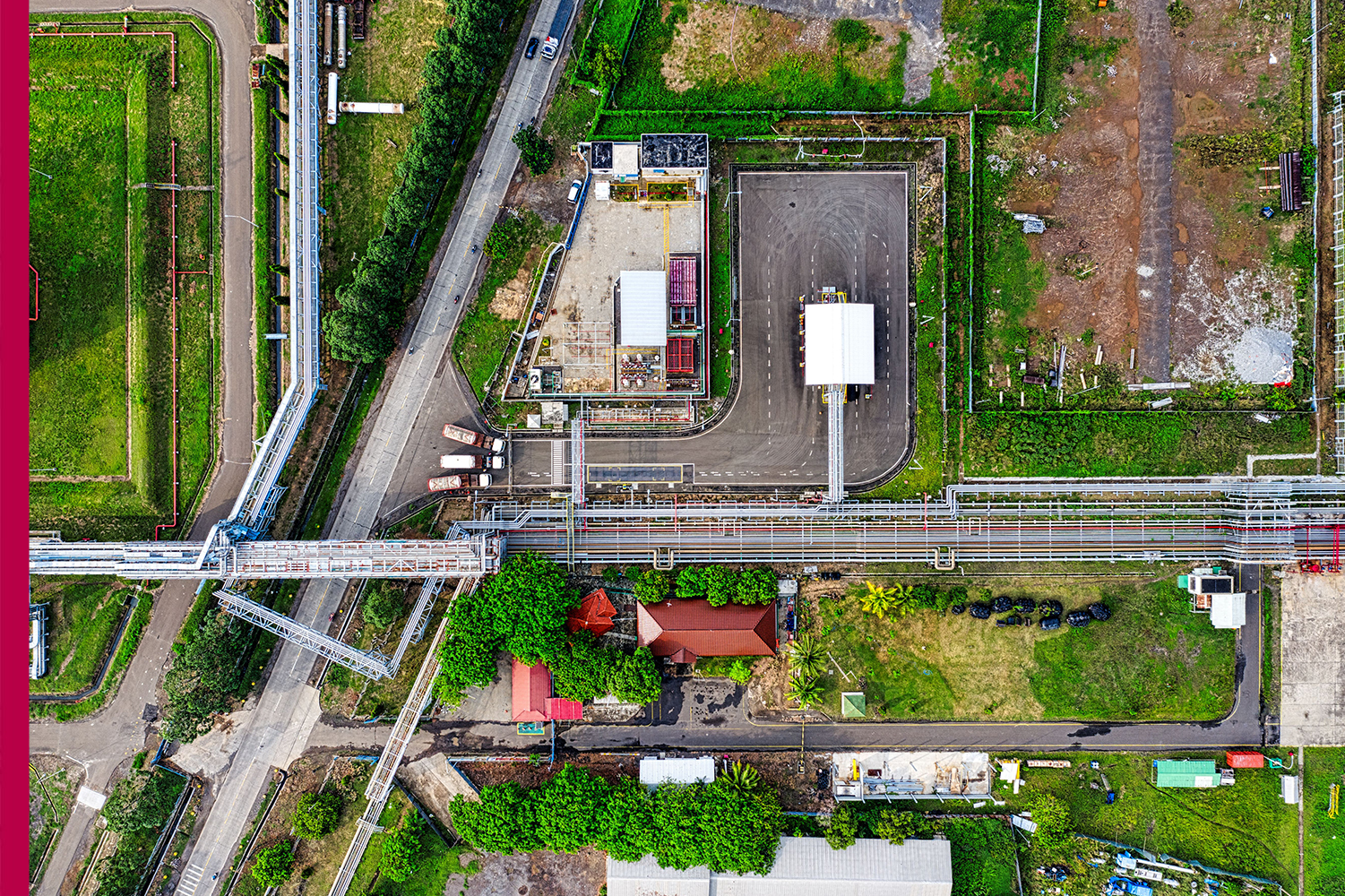



Climate action is increasingly moving beyond individual national strategies. As governments and industries search for ways to reduce emissions, international cooperation is becoming important for technologies that require large infrastructure investments and specialised geological storage locations.
A significant development emerged on November 24, 2026, when Singapore and Australia signed an agreement allowing the cross-border movement of carbon dioxide for offshore geological storage. The agreement was signed in Canberra during the 11th Singapore–Australia Annual Leaders’ Meeting.
The arrangement creates a framework for carbon dioxide captured in one country to be transported to Australia for storage in suitable offshore geological formations. It is an important step towards developing cross-border carbon capture and storage, commonly known as CCS.
Carbon capture technology is designed to prevent some industrial carbon dioxide emissions from entering the atmosphere. The captured gas can then be transported and stored underground in carefully selected geological formations. The technology is being explored for industries where reducing emissions can be particularly difficult, including cement, steel, chemicals and other heavy manufacturing sectors.
For Singapore, the agreement is relevant because the country has limited domestic geological storage capacity. Cross-border arrangements could provide access to storage opportunities beyond its national territory.
Australia, meanwhile, has geological formations that may be suitable for carbon storage and is seeking to develop its role in the emerging carbon management industry. The agreement could support investment in transport infrastructure, storage facilities, engineering services and monitoring systems.
However, signing an agreement does not mean that large-scale carbon storage operations begin immediately. Projects still require technical assessments, regulatory approvals, environmental safeguards, commercial agreements and detailed monitoring arrangements. The long-term safety and permanence of stored carbon dioxide must also be demonstrated.
The development comes amid wider discussions about decarbonising global shipping and industry. A November 24 briefing from Carbon Pulse reported that observers saw renewed efforts to reach agreement on an international framework for reducing shipping emissions, although revisions and further delays remained possible.
These developments reveal how climate policy is increasingly connected to international trade and industrial competitiveness. Countries that establish clear rules for carbon transport and storage may attract investment from businesses seeking credible ways to reduce emissions.
For companies, the potential implications are significant. Heavy industries may gain another option for managing emissions, while energy companies, engineering firms, shipping operators and infrastructure investors could find new business opportunities in carbon management.
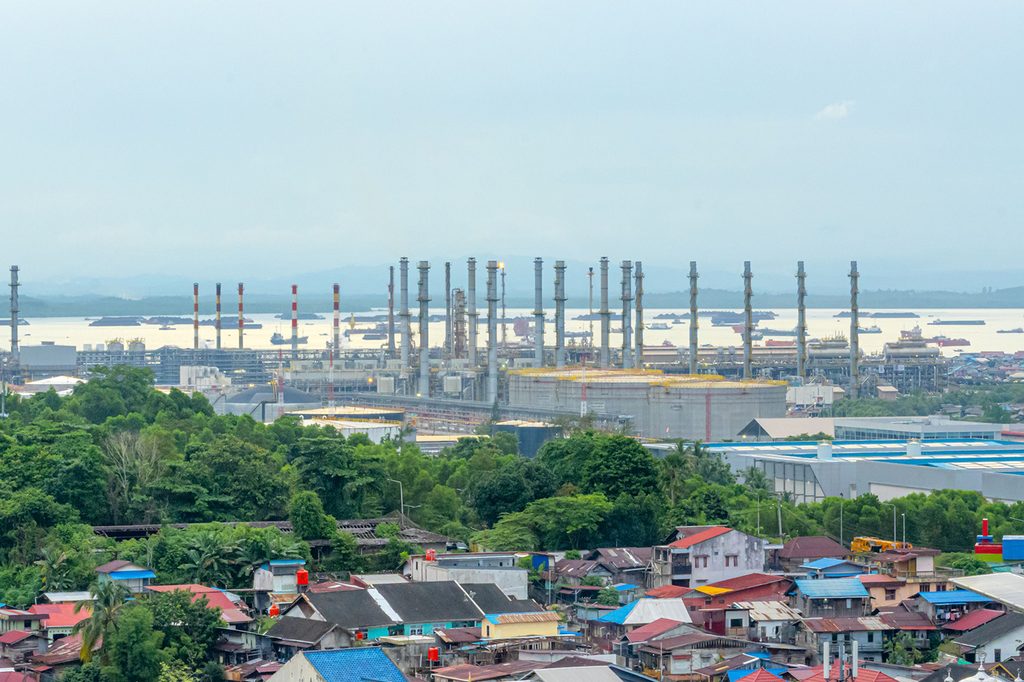
Yet CCS should not be viewed as a substitute for reducing emissions at their source wherever direct reductions are practical. Its effectiveness depends on transparent measurement, responsible storage and credible accounting. Poorly designed projects could create environmental risks or allow companies to delay other necessary changes.
The Singapore–Australia agreement is therefore more than a bilateral climate announcement. It represents an emerging model of cooperation in which countries combine resources, infrastructure and technical capabilities to address a challenge that crosses borders.
As climate commitments become increasingly linked to industrial strategy, international partnerships may help determine which low-carbon technologies move from pilot projects into commercial use.