


Global supply chains are built around the reliable movement of goods, energy and raw materials. But when a major maritime route becomes unsafe, the consequences can spread far beyond the waters where the disruption occurs.
The Strait of Hormuz is one of the world’s most strategically important shipping passages. It connects the Persian Gulf with the Gulf of Oman and the wider international shipping network. A significant share of global oil exports passes through this narrow waterway, making it critical to energy markets, shipping companies and importing economies.
On November 25, 2026, Reuters reported that Iran’s Revolutionary Guards Navy said two oil tankers had struck naval mines and caught fire in the Strait of Hormuz. Iranian authorities claimed the vessels were attempting to use an unauthorised route. The report also described warnings from Tehran that ships passing through without coordinating with Iranian forces faced increased risks.
These claims highlight the seriousness of the situation, although the reported mine incidents and the identities of the vessels had not been independently established in the available reporting. Shipping operators therefore face a difficult environment in which security warnings, military developments and uncertain information can all influence operational decisions.
The commercial consequences of disruption can be substantial. When vessels avoid a dangerous route, they may need to travel longer distances, consume more fuel and spend additional time at sea. Shipping companies can face higher insurance premiums, changing crew arrangements and increased operating costs.
These expenses rarely remain limited to the shipping industry. Higher transportation costs can affect the price of crude oil, fuel, chemicals, plastics, fertilisers and manufactured goods. Businesses that depend on imported materials may face delays or be forced to seek alternative suppliers.
For energy-importing economies, even the possibility of disruption can create uncertainty. Oil prices may react to the perceived risk of supply shortages before any physical shortage occurs. That can influence inflation expectations, transport costs and business confidence.
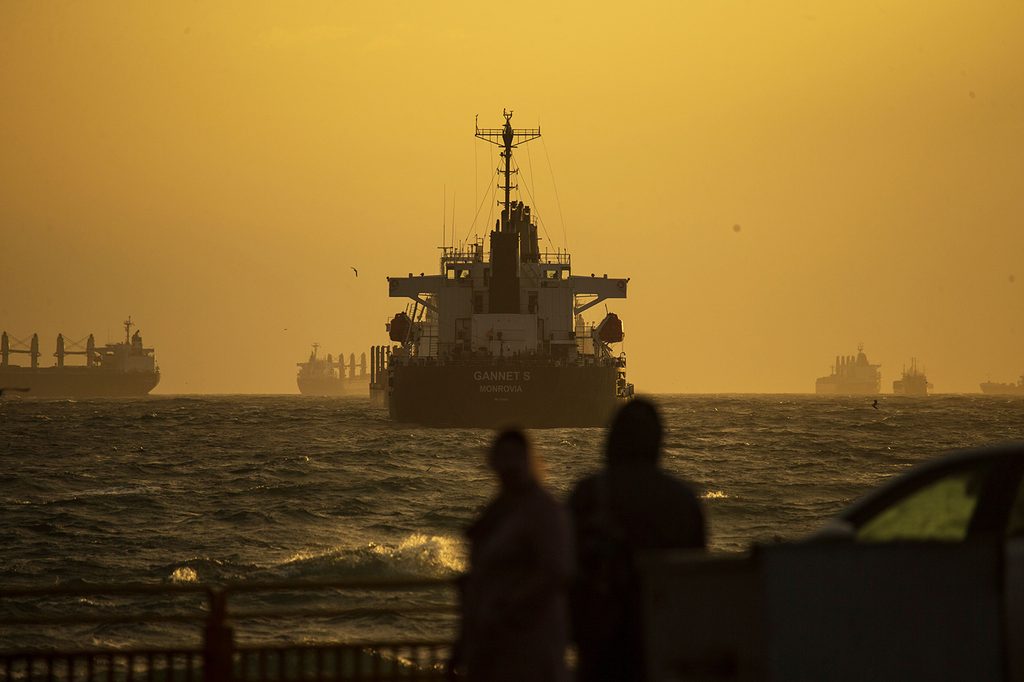
Companies are increasingly being forced to rethink the meaning of supply-chain resilience. For many years, efficiency and low inventory levels were central priorities. Businesses tried to reduce storage costs by relying on carefully timed deliveries. But geopolitical instability has shown that a supply chain designed only for efficiency may struggle when an unexpected disruption occurs.
Organisations are now examining alternative shipping routes, additional suppliers, strategic inventories and more sophisticated risk-monitoring systems. Some are also using digital platforms to track vessels, monitor freight costs and identify potential bottlenecks earlier.
The Strait of Hormuz situation is a reminder that global trade depends on more than ports, ships and warehouses. It also depends on international stability, maritime security and the ability of countries to keep essential routes accessible.
For businesses, the most important lesson is that supply-chain planning must include geopolitical risk. A disruption thousands of kilometres away can quickly influence production schedules, customer prices and the availability of everyday products.