



As retailers prepare for one of the busiest shopping periods of the year, a new threat is becoming increasingly difficult to ignore. Artificial intelligence is helping businesses understand customers, manage stock and personalise offers, but it is also giving cybercriminals more powerful tools to target retailers.
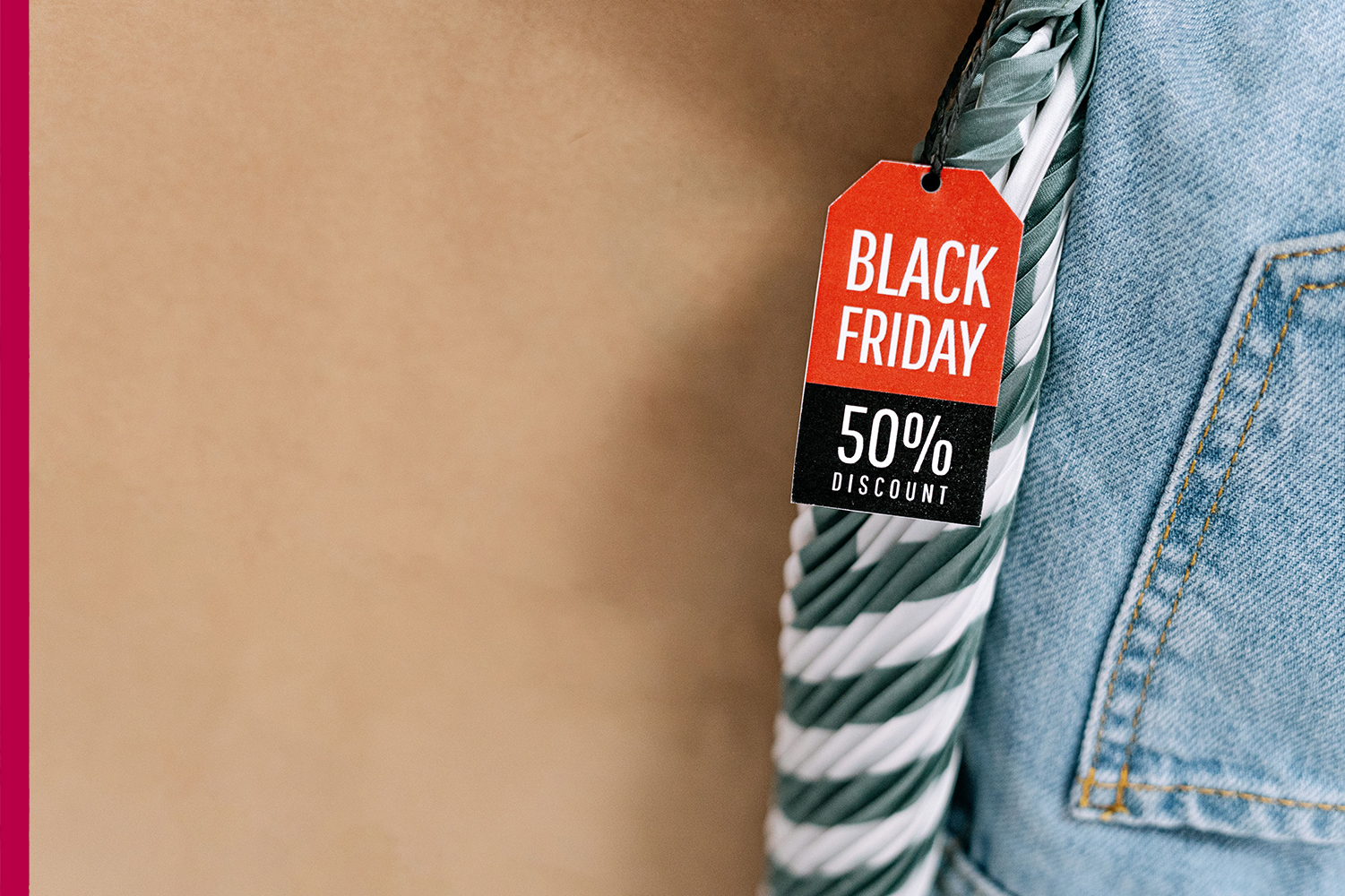
A Reuters report published on November 25, 2026, highlights the growing cybersecurity risks facing retailers ahead of Black Friday. Data from insurance provider CFC indicates that ransomware attacks against retail, leisure and hospitality businesses occur 50% more frequently in November than the monthly average. Yet only 43% of small and medium-sized retailers have cyber insurance, compared with 81% of financial services firms and 71% of technology companies.
The timing is particularly important. Black Friday and the holiday shopping season generate enormous volumes of online transactions, customer enquiries and payment activity. A disruption during this period can affect sales, damage customer confidence and interrupt operations at precisely the moment businesses expect their strongest trading activity.
The United Kingdom offers an indication of the commercial opportunity. UK shoppers are expected to spend an average of £235 each during Black Friday, with total spending forecast to reach its highest level since 2022. Meanwhile, a Confederation of British Industry survey found that UK retailers experienced their strongest year-on-year sales month since December 2022 in November. The survey also showed improving expectations for December, although the organisation cautioned that a sustained recovery is not yet assured.
In the United States, the National Retail Federation forecasts that November–December holiday retail sales will grow 4.2% compared with 2025, reaching approximately $1.013 trillion. These forecasts underline why retailers are competing aggressively for consumer attention.

However, the more digital retail becomes, the more exposed its operations can be. Online stores depend on payment gateways, customer databases, logistics partners, inventory systems and third-party software. A weakness in one part of this network can create problems across the entire business.
Artificial intelligence adds another dimension. Criminals can use AI to produce convincing phishing messages, automate parts of attacks and identify vulnerabilities more quickly. At the same time, retailers can use AI-driven security tools to monitor unusual activity and identify threats. The technology is therefore both part of the challenge and part of the solution.
For retailers, the message is clear: a successful shopping season requires more than attractive offers and efficient delivery. Strong authentication, regular security testing, employee awareness, reliable backups and a clear incident-response plan are becoming essential business investments.
As consumers increasingly expect seamless digital shopping, trust may become one of retail’s most valuable assets. A retailer that protects customer information and keeps its services running can build loyalty long after the Black Friday discounts disappear.