





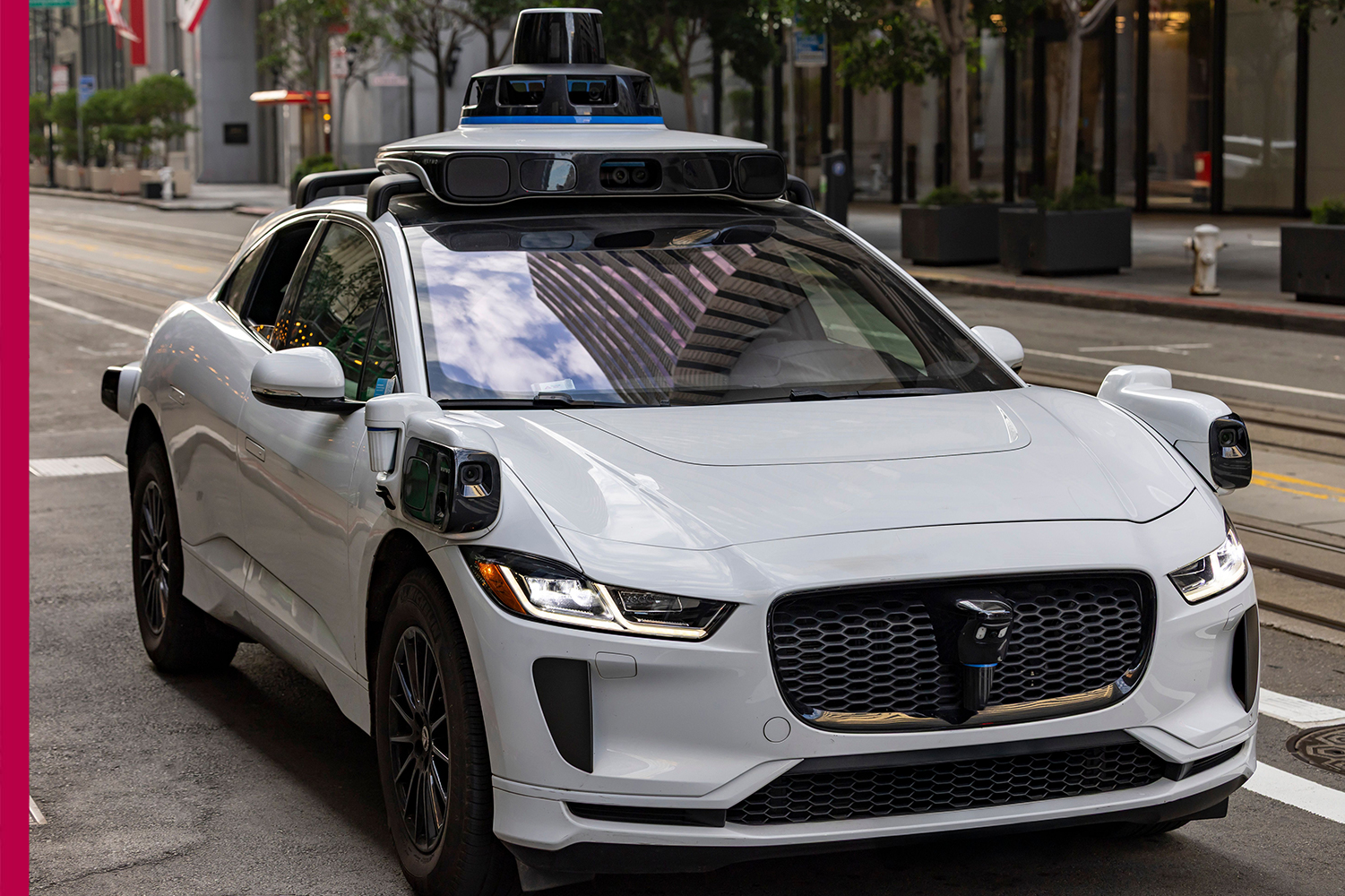


The global mobility industry is approaching a defining moment. Vehicles are becoming increasingly connected, electric powertrains are expanding, and autonomous-driving technologies are moving from controlled testing environments towards wider public use.
For years, self-driving vehicles were presented as a distant possibility. Today, manufacturers are working to make advanced driver-assistance systems more widely available, while governments are debating how to regulate vehicles that can perform more driving tasks independently.
A significant development emerged in Europe on November 20, 2026, when Italy provisionally approved Tesla’s Assisted Driving System ahead of a broader European Union decision.
Reuters reported that Italy had become the first major EU country to authorise the technology following a technical assessment. The system, previously known as Full Self-Driving, is described as hands-off but eyes-on: the vehicle can steer and drive autonomously in certain conditions, but the driver must remain behind the wheel and supervise continuously.
The decision is important because it demonstrates how autonomous mobility is advancing through national regulatory decisions even while Europe works towards wider common standards.
The regulatory race is becoming as important as the technology race
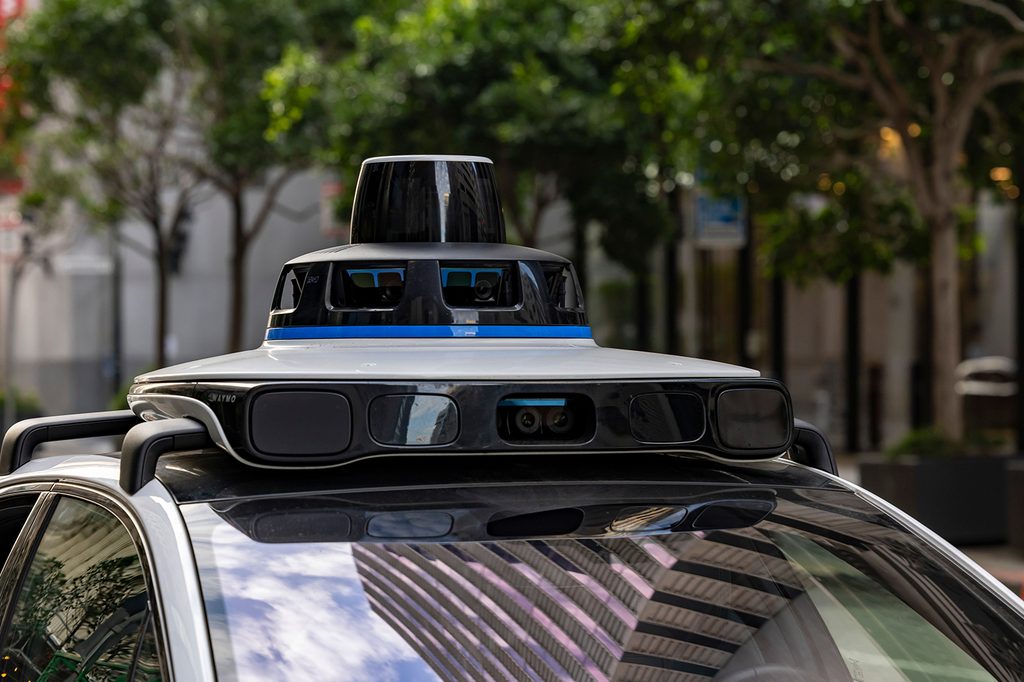
Autonomous driving is not a single technology. It involves cameras, sensors, computing systems, mapping, artificial intelligence and software capable of interpreting complex road conditions.
Different levels of driving automation also carry different responsibilities. Advanced driver-assistance systems can support steering, braking and acceleration, while more advanced autonomous systems may eventually operate without continuous human supervision in defined conditions.
The distinction is essential. A system that requires a driver to monitor the road cannot be treated as fully autonomous transportation.
Italy’s provisional approval illustrates the complexity of bringing these technologies to market. Other European countries had already recognised the system through national processes, but a wider EU approval remains a separate question.
This creates an important regulatory challenge: how can governments encourage innovation while ensuring consistent safety requirements across borders?
Electric vehicles are changing the mobility ecosystem
Autonomous driving is only one part of the transformation. Electric vehicles are reshaping automotive manufacturing, charging infrastructure, battery production and energy systems.
The shift towards electric mobility is creating new relationships between vehicle manufacturers and technology companies.
Battery performance, charging speed, software integration and energy efficiency are becoming major competitive factors. Automakers are increasingly competing on digital features and connected services as well as traditional vehicle performance.
The transition also affects the wider economy. Charging networks require investment in electricity distribution, power management and public infrastructure. Battery production depends on minerals, specialised materials and sophisticated manufacturing systems.
This means the future of mobility will be influenced by energy companies, software developers, electronics manufacturers and transport regulators—not only traditional automakers.
The software-defined vehicle is changing the customer experience
Modern vehicles increasingly operate like connected digital platforms.
Software can manage driving assistance, entertainment, navigation, battery performance and vehicle diagnostics. Over-the-air updates allow manufacturers to improve certain functions after a vehicle has been sold.
This creates new commercial possibilities. Automakers may generate revenue through subscriptions, connected services and software upgrades.
However, it also raises questions about cybersecurity, privacy and product ownership. Vehicle systems are collecting increasing amounts of information, and manufacturers must protect these systems against unauthorised access.
Consumers will also expect clear explanations of which features are included in the purchase price and which require additional payments.
Public transportation remains central to the mobility future
The transformation of mobility is not limited to private cars.
Cities are exploring connected public transport, electric buses, intelligent traffic systems, shared mobility and integrated ticketing platforms.
The objective is to move more people efficiently while reducing congestion and emissions.
Autonomous technology could eventually influence public transport through automated shuttles, controlled-route buses and other shared services. These applications may offer practical advantages because their operating environments can be more predictable than general road traffic.
However, public acceptance, safety testing and infrastructure readiness will determine how quickly they become widely available.
The aviation and logistics connection
Mobility also includes the movement of people and goods across international networks.
Airlines are exploring more efficient aircraft operations, while airports are adopting automation and digital passenger-management systems. Logistics companies are using route optimisation, fleet telematics and electric delivery vehicles to improve efficiency.
The future of mobility will therefore involve connected systems across road, rail, air and maritime transportation.
Interoperability between these systems can improve passenger convenience and freight movement, but it requires investment in infrastructure and common technical standards.
Safety and public confidence will decide adoption
The biggest obstacle facing autonomous mobility may not be engineering alone. It may be public confidence.
Consumers need to understand what a vehicle can and cannot do. Regulators must ensure that manufacturers provide accurate information, conduct rigorous testing and remain accountable when systems fail.
The responsibility of the human driver must also be clearly defined when advanced assistance features are active.
For fully autonomous systems, governments will need new approaches to licensing, insurance, liability and road-safety enforcement.
A new mobility economy is taking shape
The global mobility industry is moving towards a future in which transportation becomes more electric, connected and software-driven.
Italy’s decision on Tesla’s assisted-driving system is another step in the international debate over how quickly advanced driving technology should reach public roads.
But the future will not be determined by one company or one approval. It will depend on the combined progress of technology, infrastructure, regulation and consumer acceptance.
The most successful mobility systems will be those that improve safety, accessibility and efficiency while maintaining public trust.
The future of transportation is not simply about vehicles that can drive themselves. It is about building an interconnected mobility ecosystem that moves people and goods more intelligently.