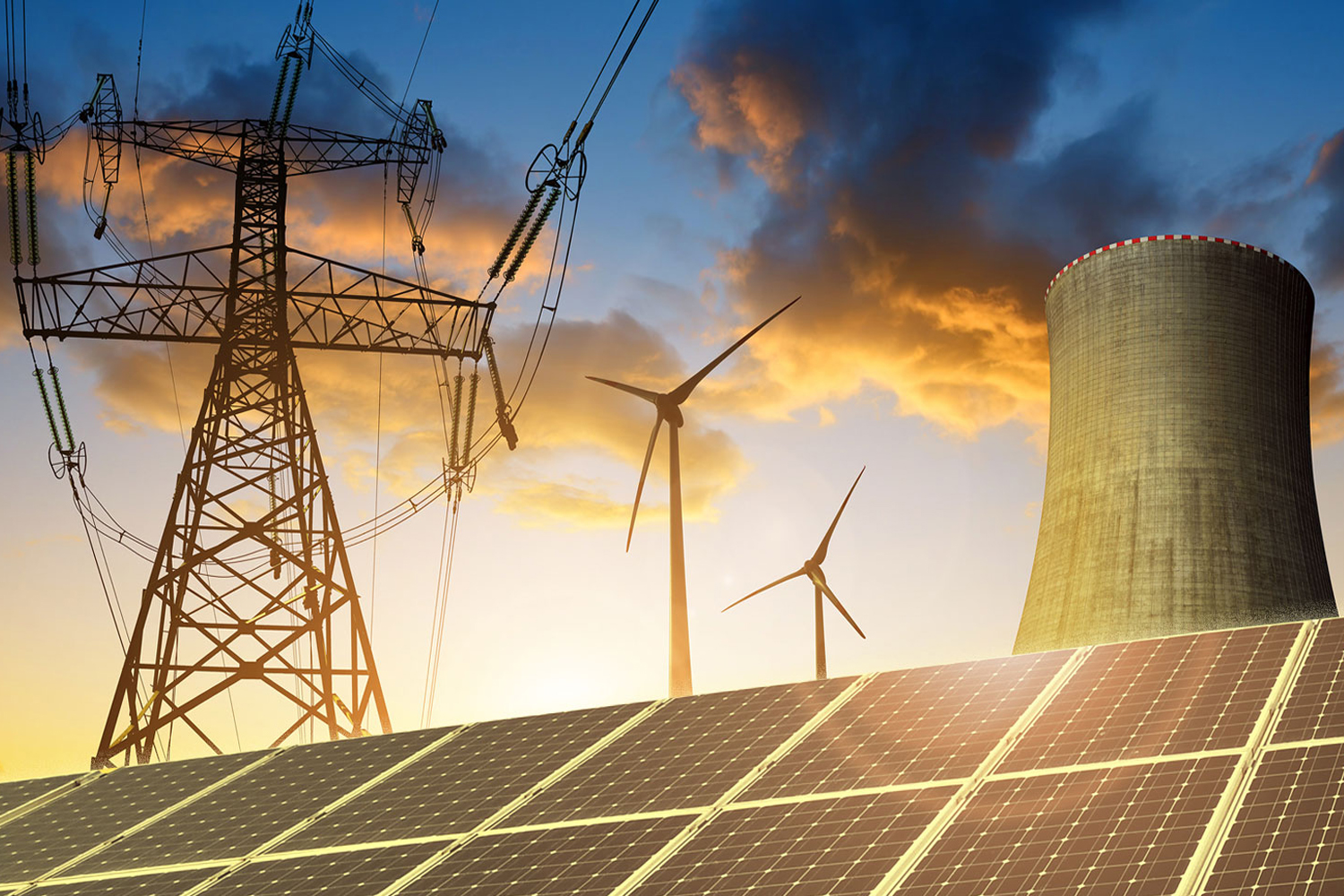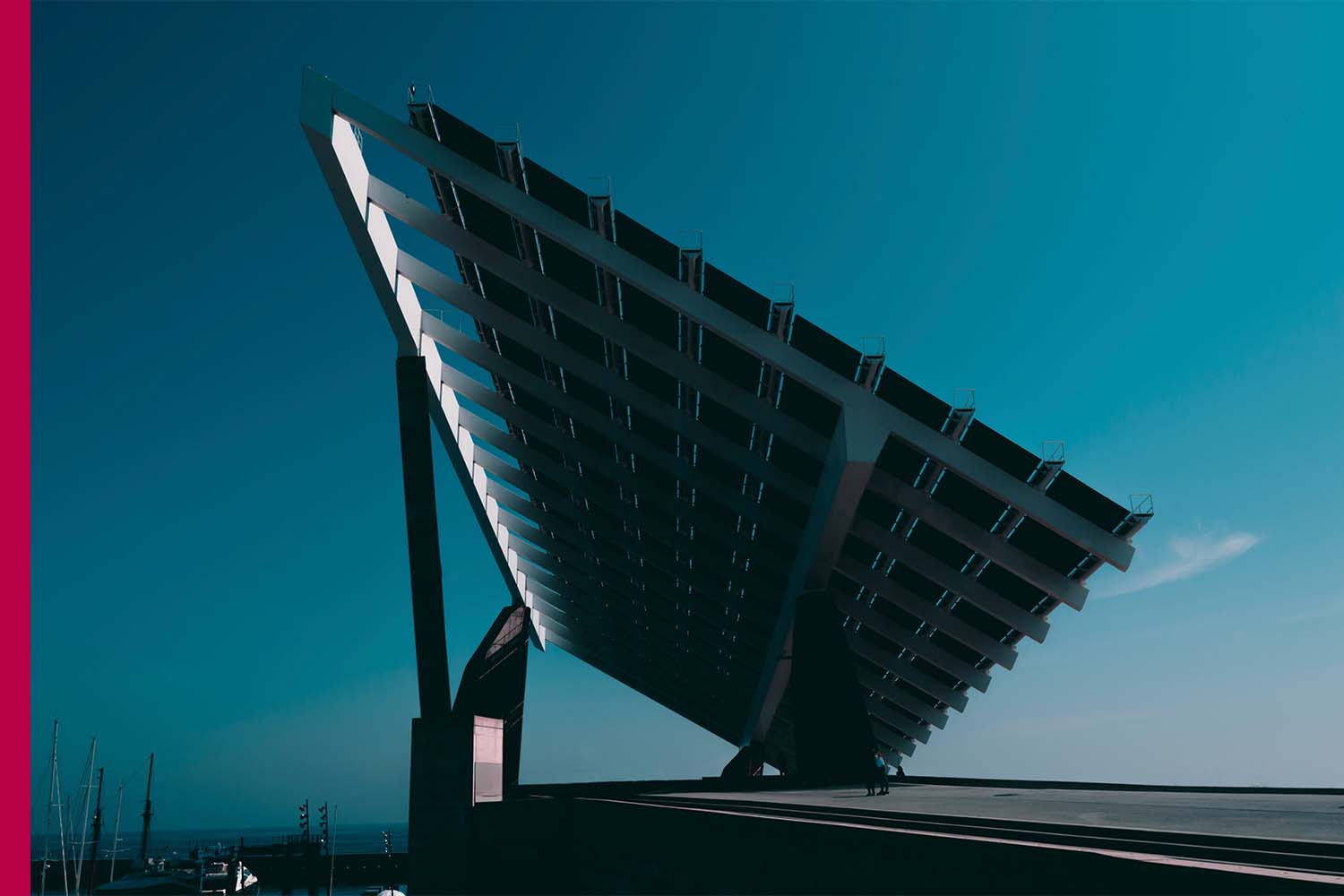




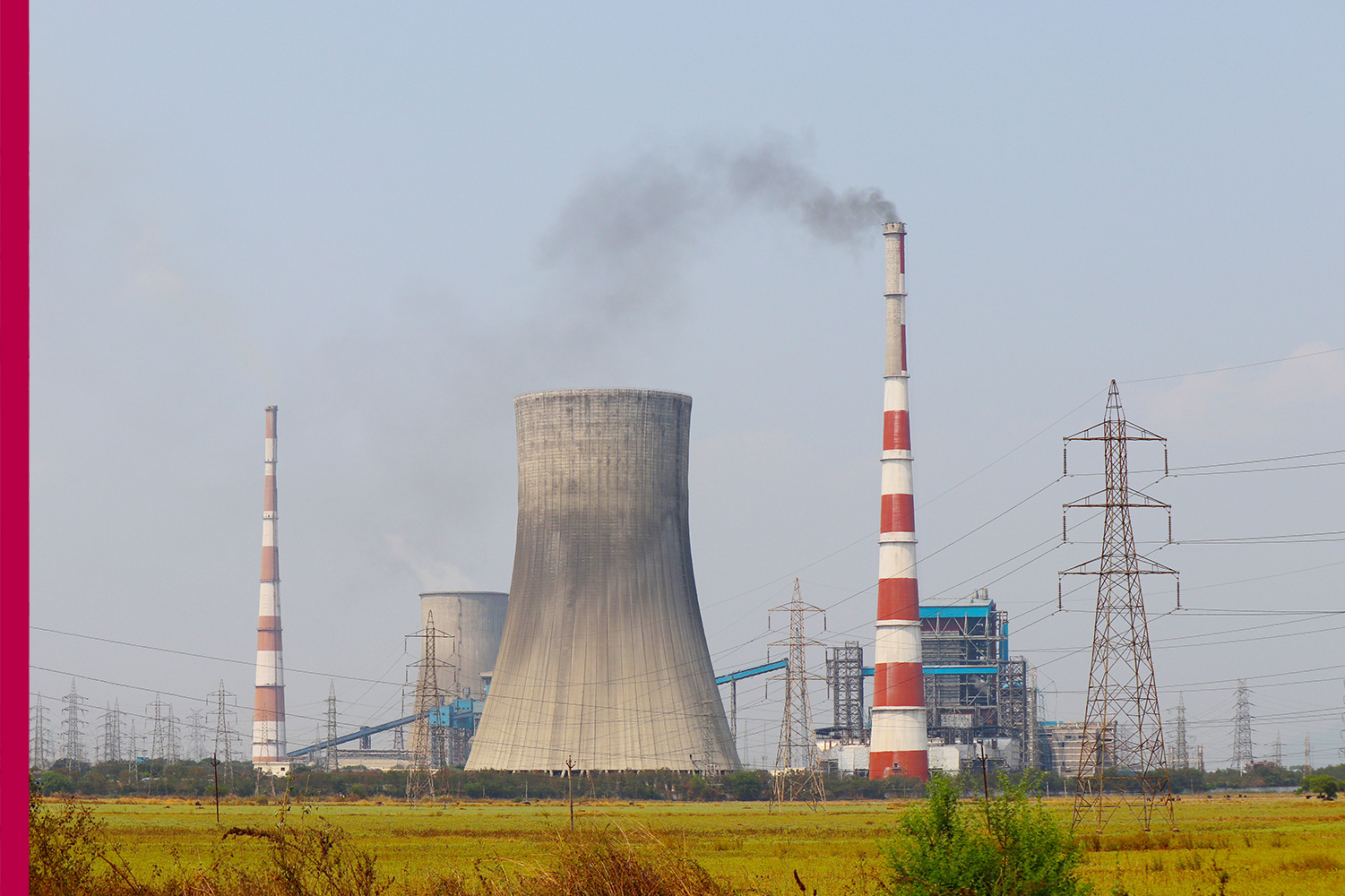
The global energy transition is entering a new phase. Renewable energy is no longer simply an environmental initiative or a government policy objective. It is becoming a major investment opportunity, an industrial priority and a strategic requirement for businesses competing in an increasingly electricity-dependent economy.
India is emerging as one of the most important markets in this transformation. With electricity demand expanding through manufacturing, digital infrastructure, urban development, electric mobility and data centres, the country faces a growing need to increase power generation while strengthening the reliability of its energy systems.
A major development this week highlights the scale of private-sector interest. Amazon announced plans to invest an additional US$7 billion in renewable energy projects in India by 2030, building on approximately US$4 billion in projects already contracted. The announcement includes four new wind and solar projects with a combined capacity of 934 megawatts across Karnataka, Madhya Pradesh and Rajasthan.
The investment is significant not only because of its size, but because it demonstrates how multinational companies are increasingly becoming major participants in the energy market.
Corporate Energy Demand Is Reshaping Investment
For technology companies, energy has become a strategic resource.
Cloud computing, artificial intelligence, digital commerce, data centres, logistics networks and large-scale computing operations require enormous amounts of electricity. As digital infrastructure expands, companies must secure reliable energy supplies while managing operating costs and environmental commitments.
Renewable energy investments allow corporations to participate directly in expanding electricity generation capacity. Through power purchase agreements and long-term energy contracts, businesses can support new projects while securing access to electricity generated from renewable sources.
This is creating a new category of energy investment in which large corporations are not simply consumers. They are becoming financial partners, project sponsors and influential buyers in the electricity ecosystem.
The growth of corporate renewable procurement could encourage developers to build new solar and wind facilities, improve financing certainty and create demand for long-term clean-energy contracts.
Solar and Wind Are Only Part of the Story
Renewable generation is expanding rapidly, but the energy transition involves much more than installing solar panels and wind turbines.
Electricity must be generated at the right time, transported efficiently and delivered reliably to homes, businesses and industrial facilities. Renewable energy sources can fluctuate according to weather conditions and time of day, creating new demands on grid management.
This makes energy storage, transmission infrastructure, forecasting technologies, smart grids and flexible power systems increasingly important.
Battery storage could help balance supply and demand by storing electricity when generation is high and releasing it when required. Smart-grid technologies can improve visibility across the network, helping utilities respond to changing conditions.
India’s renewable energy expansion therefore creates opportunities across a wider industrial ecosystem. Solar module manufacturing, battery production, power electronics, transmission equipment, software, engineering, construction and grid-management technologies could all benefit from growing investment.
The New Importance of Energy Security
Energy security is becoming a major concern for governments and businesses.
Countries that depend heavily on imported fossil fuels are exposed to international price movements, geopolitical tensions, shipping disruptions and supply uncertainty. Renewable energy offers an opportunity to diversify energy sources and strengthen domestic electricity generation.
India’s renewable energy strategy is particularly important because the country must support economic growth while balancing affordability, reliability and environmental objectives.
Domestic renewable generation can reduce some dependence on imported fuel, but achieving energy security also requires investments in grid infrastructure, storage, industrial supply chains and dependable electricity distribution.
The transition is therefore not simply a matter of replacing one energy source with another. It involves redesigning how electricity is produced, distributed, stored and consumed.
Artificial Intelligence Is Increasing the Energy Challenge
The expansion of artificial intelligence is creating a new source of electricity demand.
Data centres supporting advanced computing, cloud platforms and AI services require substantial power for servers, networking equipment and cooling systems. As AI usage expands, companies are increasingly evaluating where data centres should be built, how they should be powered and whether their energy supplies can remain sustainable.
This creates an unusual relationship between two major technology transformations.
AI is helping improve energy forecasting, optimise power networks, predict maintenance requirements and manage electricity consumption. At the same time, the infrastructure required to operate AI systems is increasing demand for electricity.
The energy industry is therefore becoming both a supplier to the AI revolution and a potential beneficiary of AI-powered efficiency.
The Business Opportunities Behind Renewable Energy
The renewable energy industry is generating opportunities far beyond power generation.
Businesses involved in engineering, construction, project finance, land development, electrical equipment, battery technology, energy management, cybersecurity, maintenance and digital monitoring are becoming increasingly important.
There is also a growing market for solutions that help commercial buildings and industrial facilities manage their electricity consumption.
Companies that reduce energy waste, optimise equipment performance and improve power efficiency may gain competitive advantages as electricity becomes a more strategic operating cost.
For startups, this creates opportunities in battery software, smart meters, renewable energy marketplaces, carbon measurement, grid analytics and industrial energy optimisation.
The Challenges of Scaling Clean Energy
Despite strong investment, renewable energy development faces substantial challenges.
Projects require land, financing, permits, transmission access, equipment, construction capacity and long-term operational planning. Grid congestion can prevent electricity from reaching the locations where it is needed.
Storage systems must become more economically viable, while utilities need to modernise infrastructure to accommodate increasing renewable generation.
The industry must also manage the environmental and supply-chain implications of manufacturing solar panels, batteries, wind equipment and electrical components.
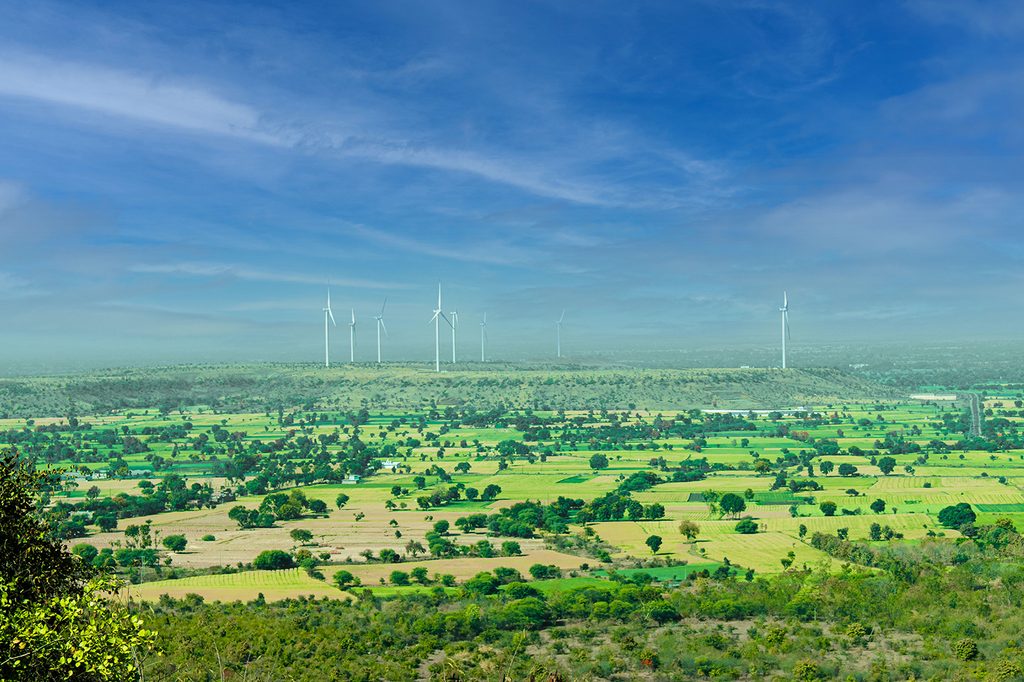
A New Energy Economy Is Emerging
The future energy industry will be defined by a combination of renewable generation, conventional energy, storage, transmission, intelligent grids and increasing electrification.
India’s growing renewable investment activity reflects a wider global movement toward securing electricity supplies while supporting economic growth and technological development.
The companies that succeed in the next energy era may not be only those that generate electricity. They may be the businesses that make power more reliable, affordable, accessible, intelligent and sustainable.
Energy is becoming one of the defining industries of the next decade—and the race to build its infrastructure is already accelerating.