


The global competition over artificial intelligence is increasingly being shaped by access to advanced computer chips. Governments want to protect strategic technology, companies need powerful processors to develop AI systems, and countries are working to reduce dependence on foreign suppliers.
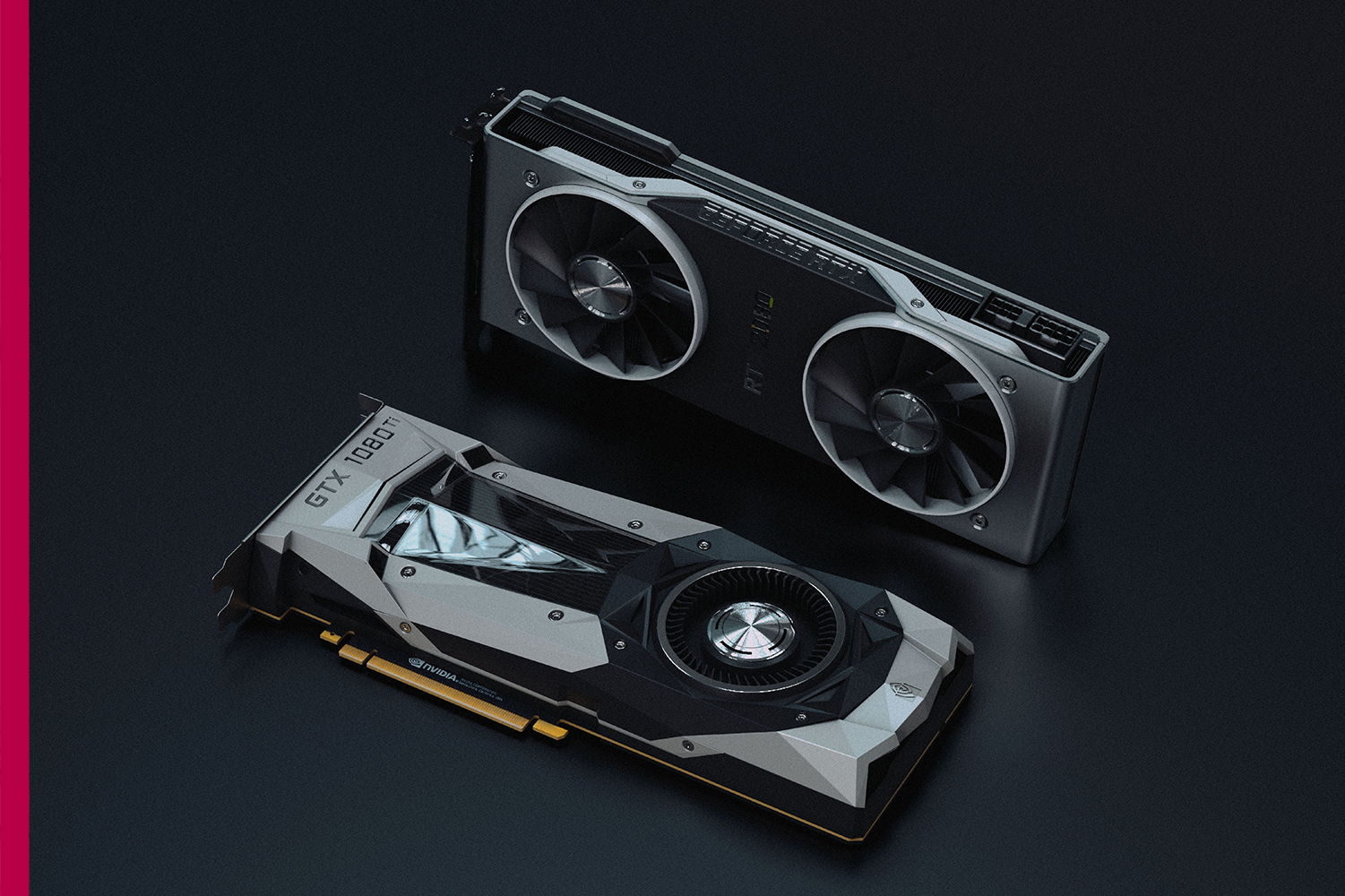
A major development emerged on November 18, 2026, when Nvidia said it had stopped shipping US-licensed Hopper data-centre chips to China. According to Reuters, the company’s interim chief financial officer Colette Kress said there were no further shipments included in its current outlook. The company did not explain the reason for the halt or confirm whether it would be permanent.
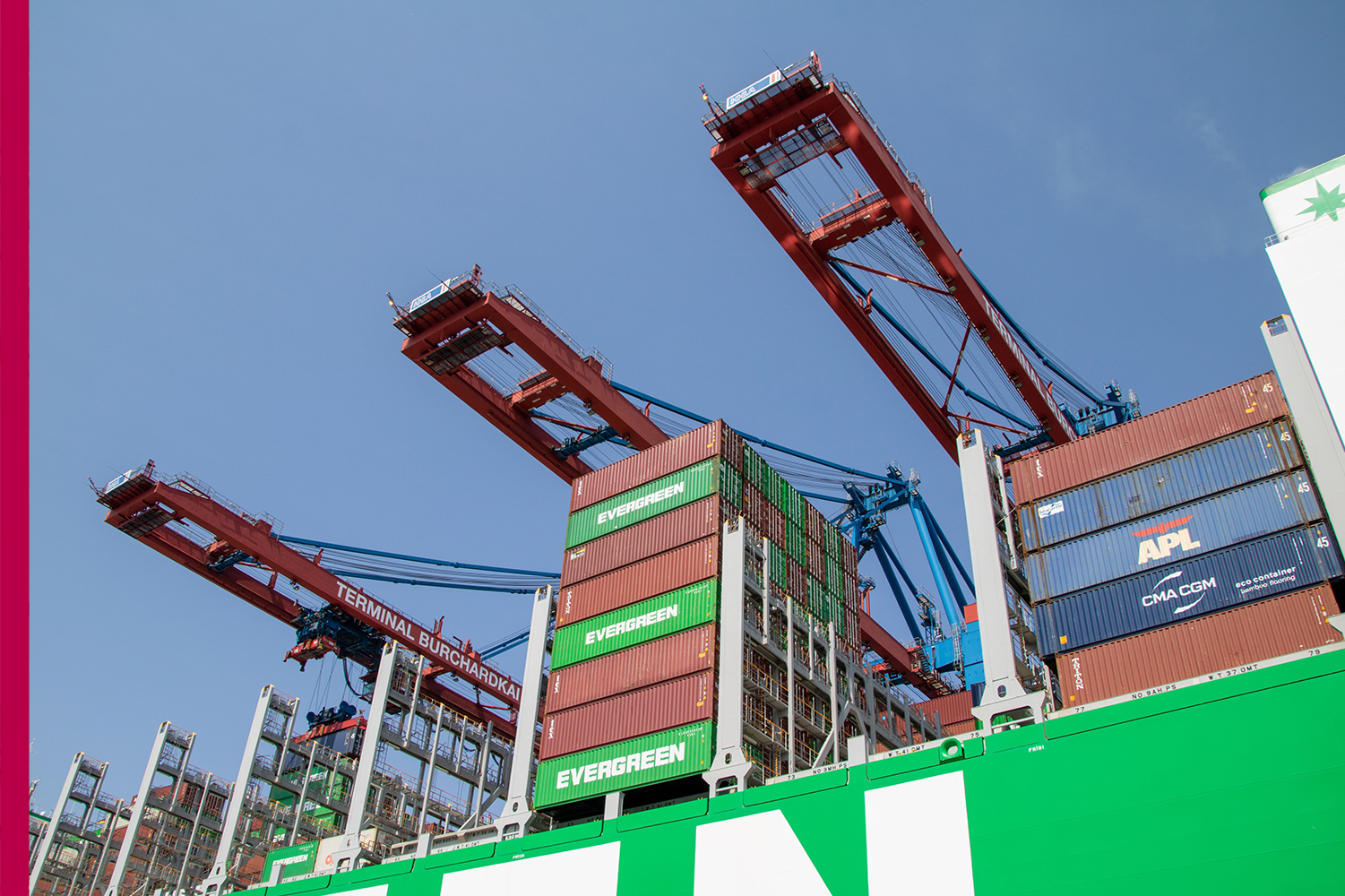
The development highlights the complicated relationship between technology companies and international trade rules. The United States introduced restrictions on advanced semiconductor exports to China in 2022, citing national security concerns. Some licensing arrangements were later adjusted, but China’s own restrictions on imports have also influenced the market.
Reuters reported that Nvidia had sold $2.4 billion worth of licensed Hopper products, including H200 processors, in the quarter ended October 25. It also reported that a large quantity of H200 chips was being held in Hong Kong pending Chinese approval for broader imports. The situation illustrates how commercial demand can be affected by decisions made by governments on both sides.
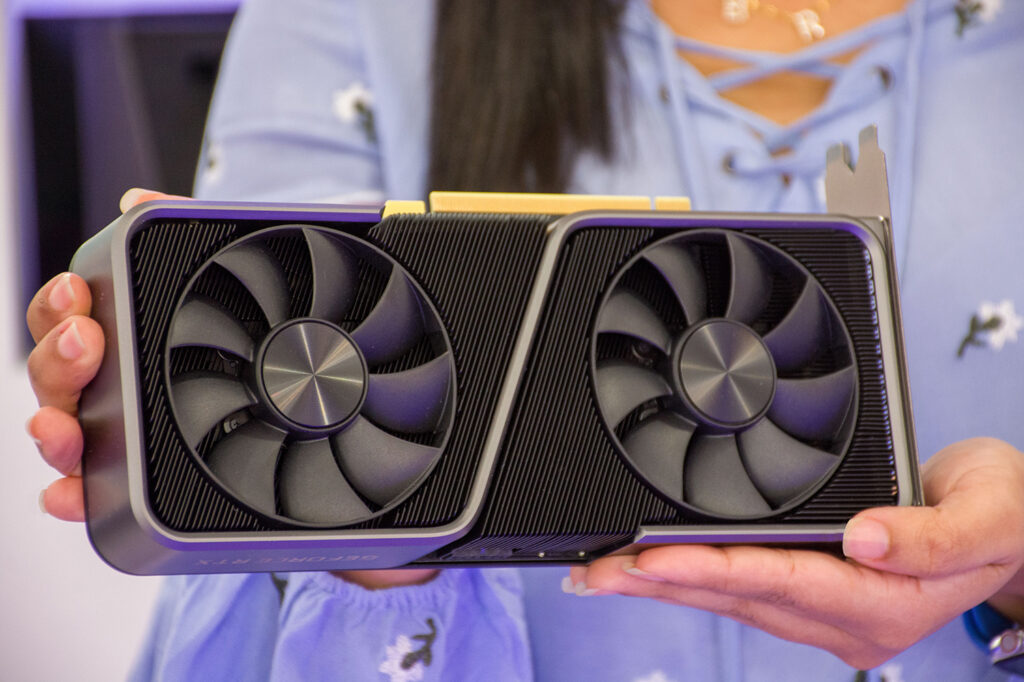
The consequences extend beyond one company. Advanced chips are essential for training and running sophisticated AI models, powering data centres and supporting cloud computing services. Restrictions can influence investment decisions, technology development timelines and the competitiveness of companies operating in different markets.
Another important development is the changing approach to access rather than simply ownership of hardware. On November 16, the US Bureau of Industry and Security issued an interim final rule requiring licences for certain advanced AI chip exports to data centres in five countries: Indonesia, Malaysia, Singapore, Thailand and Brazil. The measure also addresses remote access to advanced computing capacity through overseas data centres. The policy is part of a broader effort to control how restricted computing resources are accessed internationally.
At the same time, the global technology debate is not only about security and competition. The International Telecommunication Union has highlighted the need to ensure that emerging technologies such as AI, quantum computing and satellite connectivity do not widen existing digital divides. Access, innovation, trust and international cooperation are becoming central questions in technology policy.
For businesses, these developments create a more complex environment. Companies planning AI infrastructure must consider where their data centres are located, which processors they can access, what export rules apply and how future regulatory changes could affect operations.
For countries investing in digital economies, the challenge is to develop local capabilities while remaining connected to global technology networks.
The AI race is therefore no longer just a competition to build the most powerful models. It is also a contest over semiconductors, infrastructure, supply chains, regulation and access.
The countries and companies that navigate these interconnected challenges effectively may shape the next generation of global technology leadership.