

The creative industry is approaching a major shift in how ideas become finished work. Artificial intelligence is moving beyond simple image generation and entering the everyday processes of professional designers, photographers, video editors and creative agencies.
At Adobe MAX 2026, held in November, Adobe announced a series of updates designed to bring AI assistance directly into its Creative Cloud applications. Among the developments is Adobe Creative Agent, which can coordinate multi-step tasks across creative workflows. The company also introduced Firefly Design in beta, a workspace that brings raster, vector, motion, 3D and print design together.
The significance of these developments lies in the way creative work is organised. A designer working on a campaign may need to prepare social media graphics, edit photographs, develop video content, create layouts and adapt brand assets for different platforms. Traditionally, these tasks can involve multiple applications and repeated manual adjustments.
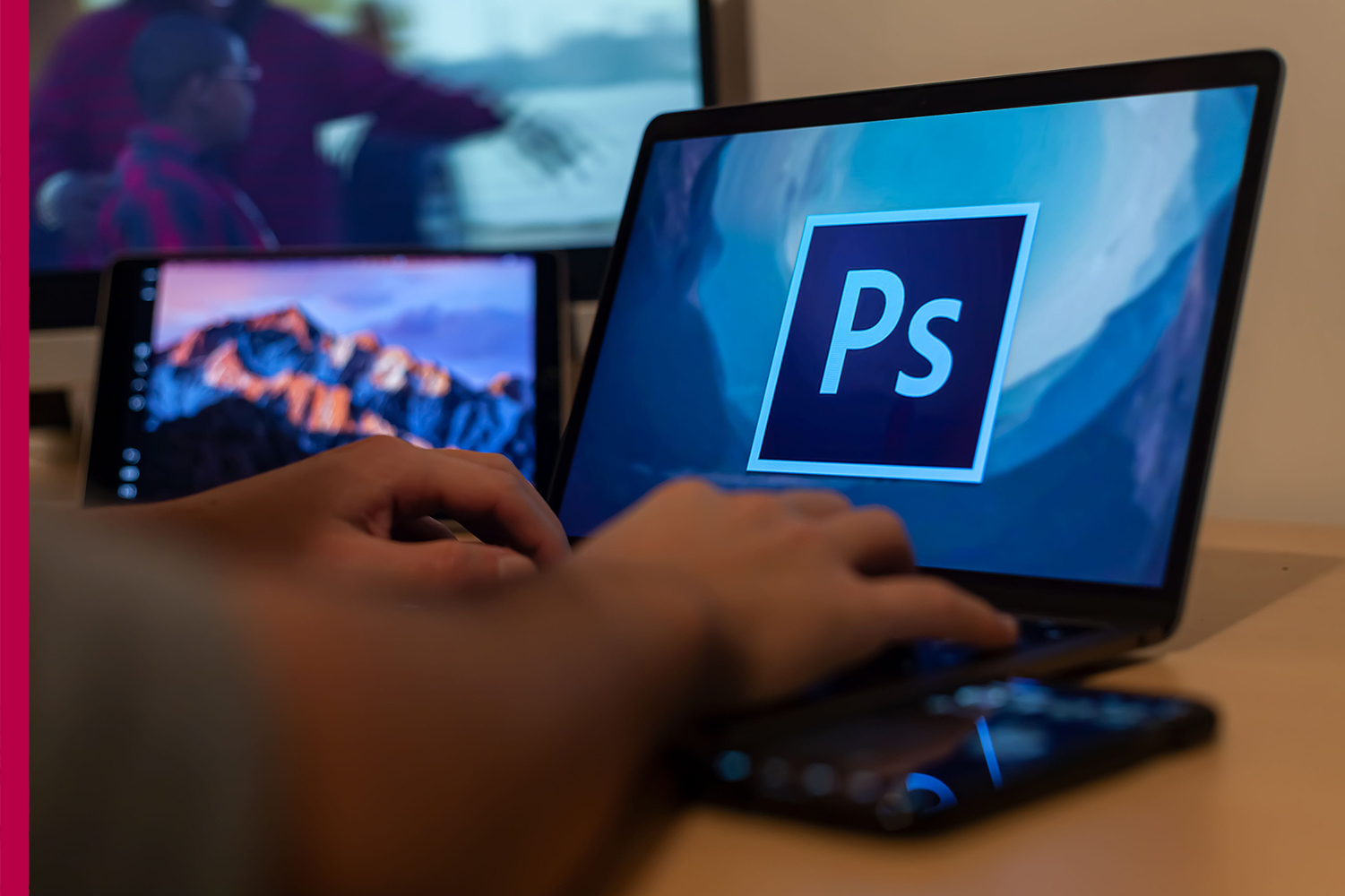
AI-assisted workflows aim to reduce some of that friction. Adobe’s announced capabilities include tools for adjusting lighting in Photoshop, refining video colour in Premiere and collaborating on layouts in InDesign. Its Creative Agent can assist with multi-step operations, while keeping professionals involved in decisions and final adjustments.
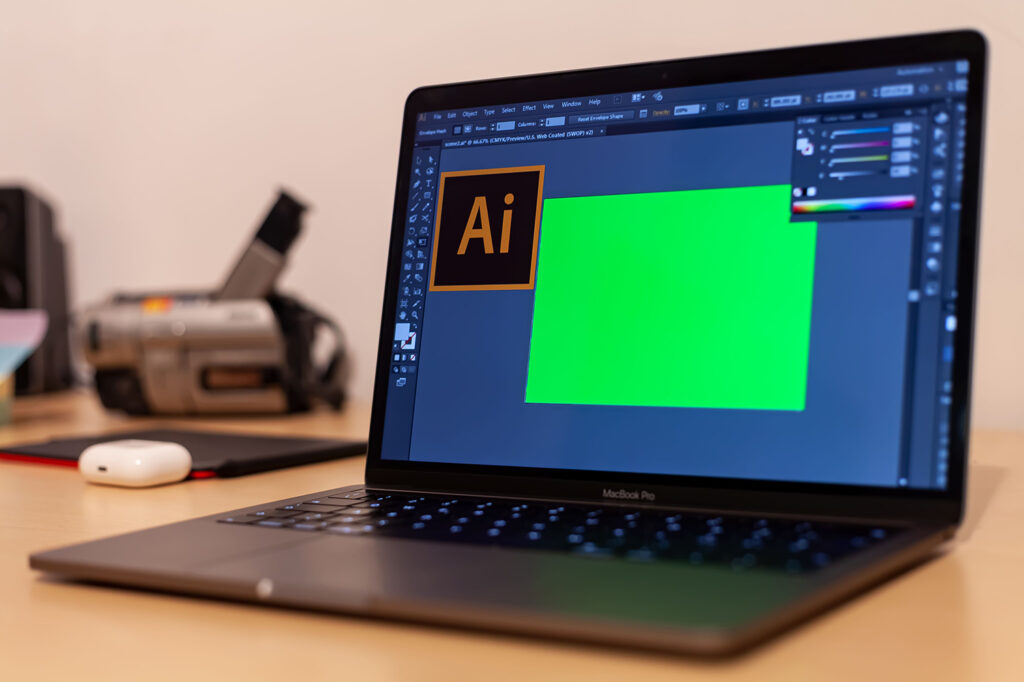
Another notable development is Firefly Builder, introduced in private beta. It is designed to help transform creative ideas into interactive prototypes such as websites, presentations and applications using natural-language instructions. Adobe also introduced Firefly Graph, which helps users build repeatable creative workflows.
These features could have implications for advertising agencies, publishing companies, independent designers, filmmakers and businesses that produce large volumes of digital content. Faster production may allow teams to experiment with more concepts, adapt campaigns to different audiences and spend more time refining creative direction.
However, the expansion of AI in design also raises important questions. If automated tools make production easier, the value of human creativity may become even more closely associated with originality, storytelling, visual judgment and brand understanding.
A generated image can be technically impressive without communicating the right emotion or message. A campaign can be visually polished but fail to understand its audience. Human creative professionals bring cultural awareness, context and strategic thinking that cannot be reduced to the speed of a software feature.
There are also practical concerns around intellectual property, consent, transparency and the responsible use of AI-generated material. Businesses must understand the rights and limitations associated with the tools they use, particularly when creating commercial content.
For emerging designers, the opportunity is to learn how to combine traditional creative skills with new technology. Understanding composition, typography, colour, visual communication and storytelling will remain essential. AI may change the production process, but it does not eliminate the need for creative judgment.
Adobe’s latest announcements suggest that the future of design may involve a closer partnership between human imagination and machine-assisted execution. The strongest creative work will still depend on the person directing the process.