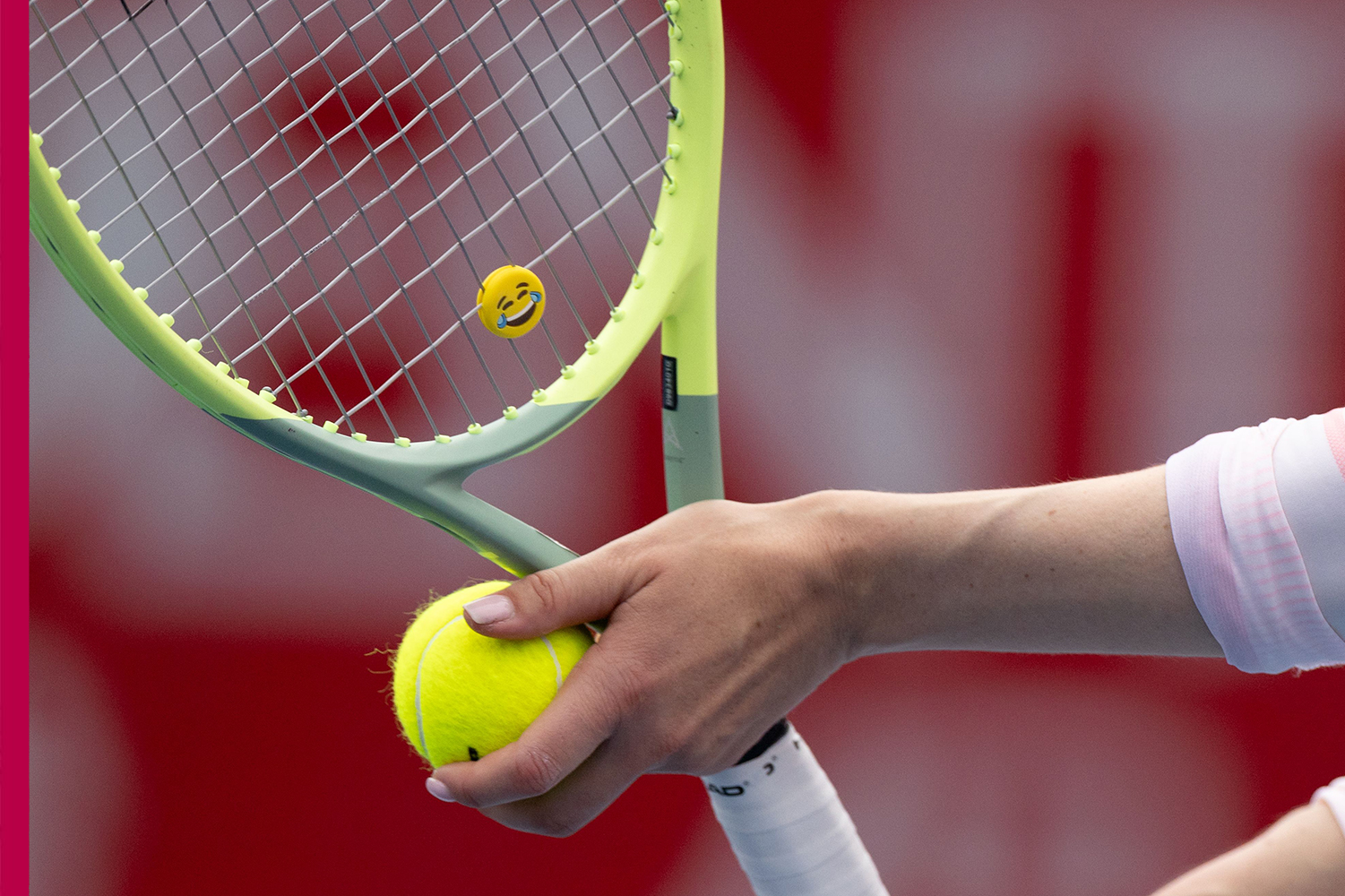




Women’s tennis has a new major talking point following a remarkable performance by 19-year-old Mirra Andreeva, who captured the WTA Finals title on November 15, 2026, in Indian Wells, California.
The Russian player defeated Ukraine’s Elina Svitolina 7-5, 6-3 in the singles final, completing her debut at the season-ending championship without losing a single match or dropping a set.
The WTA Finals brings together the top eight players of the season, making the tournament one of the most prestigious events on the women’s tennis calendar. Andreeva’s unbeaten run against an elite field has strengthened her position among the sport’s leading young talents.
The victory also carries significant financial and professional rewards. Andreeva earned $3.37 million in prize money and the Billie Jean King Trophy. She is also set to rise to a career-high world ranking of No. 2, moving within 300 points of top-ranked Elena Rybakina.
Her performance was particularly impressive because the final was not without pressure. After struggling to serve out the first set at 5-4, Andreeva recovered quickly, broke Svitolina again and secured the opening set. She maintained her composure through a competitive second set before closing out the match.
Svitolina’s own journey added another dimension to the final. The 32-year-old has returned to elite competition following pregnancy and said she hoped her performances could inspire other women and athletes. Her presence in the final demonstrated the continued competitiveness of experienced players against a younger generation.
The event also reflected the increasingly global business of professional tennis. The tournament was held at Indian Wells Tennis Garden after being relocated from Riyadh, and it is scheduled to move to Charlotte, North Carolina, next year.
Beyond the result, the WTA Finals highlights how elite sport combines athletic performance with commercial opportunities. Prize money, sponsorships, broadcasting, ticket sales and international hosting rights all contribute to the wider sports economy.
Another major sporting result came from rugby league. Australia defeated New Zealand 32-12 on November 15 to win the Rugby League World Cup for the 13th time in 16 editions and secure a fourth consecutive title. The result underlined Australia’s long-standing dominance in the competition.

Together, these achievements show the appeal of sport across generations and disciplines. Established champions continue to inspire, while emerging athletes bring new audiences and fresh commercial interest.
For young players, Andreeva’s victory is a reminder that consistency, mental resilience and the ability to perform under pressure can create opportunities at the highest level.
For the sports industry, the challenge is to build on these moments through accessible competitions, strong grassroots programmes and international fan engagement.
The next generation of sporting stars is already emerging, and their influence will extend far beyond the scoreboard.