




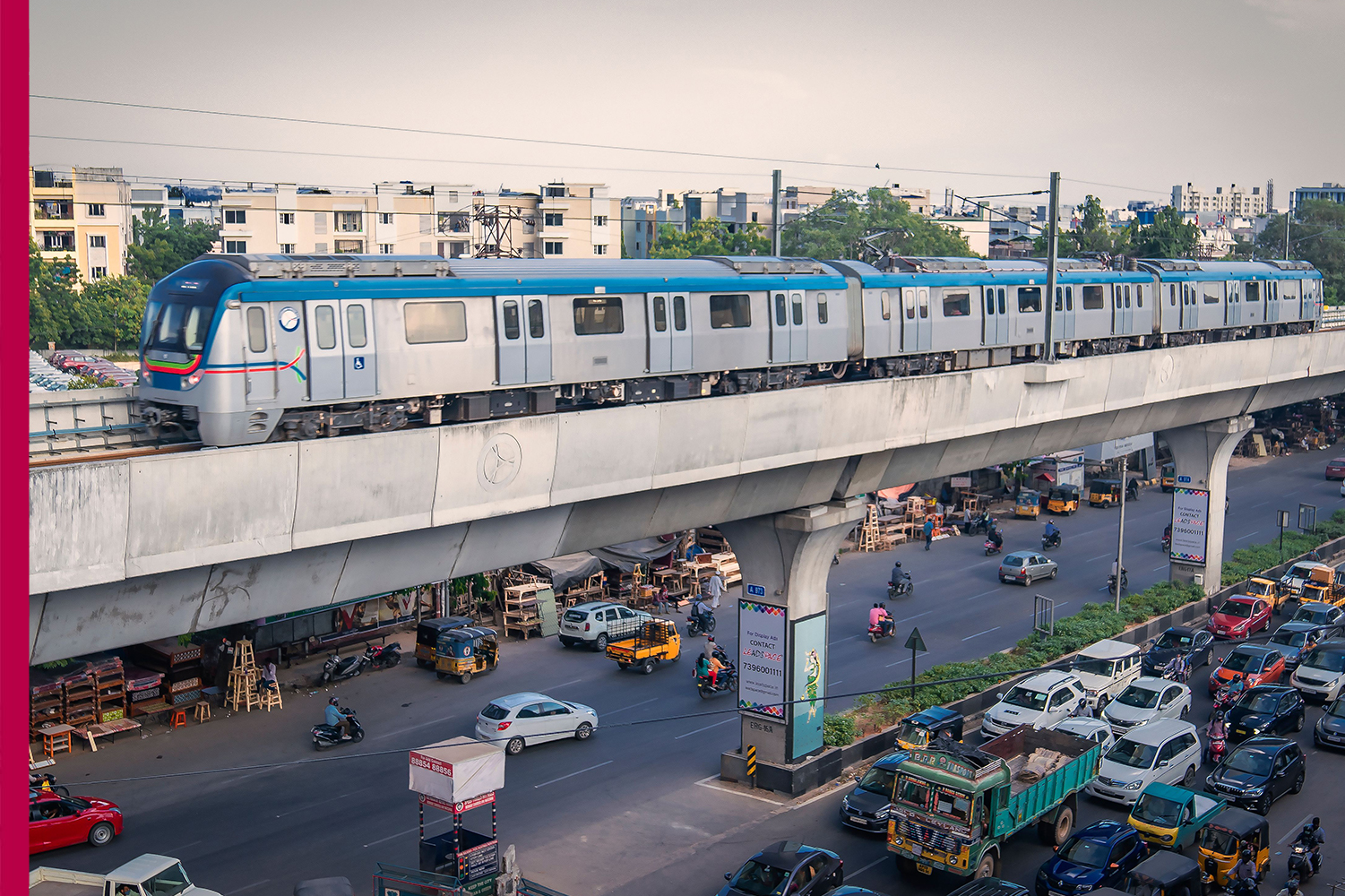
India’s infrastructure development is entering another important phase, with new investments in urban transport, ports, energy and industrial connectivity shaping the country’s long-term growth ambitions. Recent Cabinet approvals and infrastructure announcements demonstrate how the government is attempting to strengthen the physical networks needed to support expanding cities and economic activity.
One of the latest developments came on November 11, when the Union Cabinet approved an extension of the Noida Metro Aqua Line from Sector 51 to Greater Noida Sector 4. The proposed corridor will cover 8.449 kilometres and include five elevated stations.
Once operational, the extension is expected to increase the combined active metro network in Noida and Greater Noida to approximately 71.878 kilometres. The project is intended to improve connectivity between residential areas, commercial centres and other transport networks.
The expansion is particularly relevant as cities around the National Capital Region continue to grow. Better public transport can reduce dependence on private vehicles, improve access to employment and support the development of new residential and business districts.
Another development was reported on November 11 at Visakhapatnam Port in Andhra Pradesh. The port authority inaugurated a waterfront promenade and laid foundation stones for additional infrastructure works forming part of a package valued at approximately ₹560 crore.
The new promenade extends around 710 metres and includes walking areas, viewing decks, public spaces and visitor facilities. Alongside the waterfront development, plans include mechanisation and operation improvements at existing cargo terminals, as well as upgrades to sewage-treatment infrastructure.
These projects highlight an important feature of modern infrastructure planning: ports are no longer viewed only as cargo-handling facilities. They are increasingly connected to industrial development, logistics efficiency, urban planning and regional economic activity.
The scale of India’s infrastructure pipeline is also substantial. A Ministry of Statistics and Programme Implementation report covering September 2026 tracked 1,853 central-sector projects with a combined project cost of approximately ₹37.56 lakh crore. Around ₹17.73 lakh crore had been spent on ongoing projects. Transport and logistics, together with energy, accounted for 83.4% of the projects being monitored.
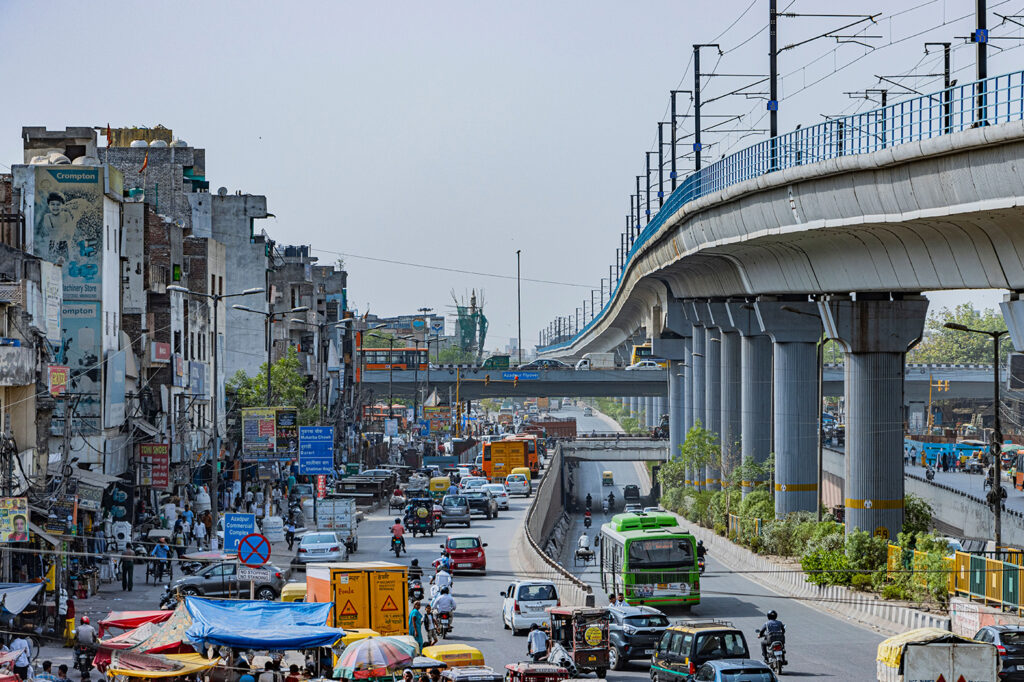
These investments reflect the importance of infrastructure in supporting manufacturing, trade, energy security and employment. Roads and railways connect production centres to markets, ports support international commerce, and reliable electricity networks enable industrial growth.
However, project execution remains a critical challenge. Land acquisition, environmental clearances, financing, construction delays and coordination between agencies can influence delivery timelines. Infrastructure investment must also be supported by maintenance, safety and effective long-term planning.
For businesses, improved infrastructure can reduce logistics costs, increase access to customers and encourage investment in emerging regions. For citizens, successful projects can mean shorter journeys, better public services and greater economic opportunities.
India’s next infrastructure chapter will therefore be measured not simply by the number of projects announced, but by how efficiently they are completed and how effectively they improve everyday economic life.