



India’s real estate sector is attracting attention not only for residential property sales but also for the growing performance of commercial office spaces and shopping destinations.
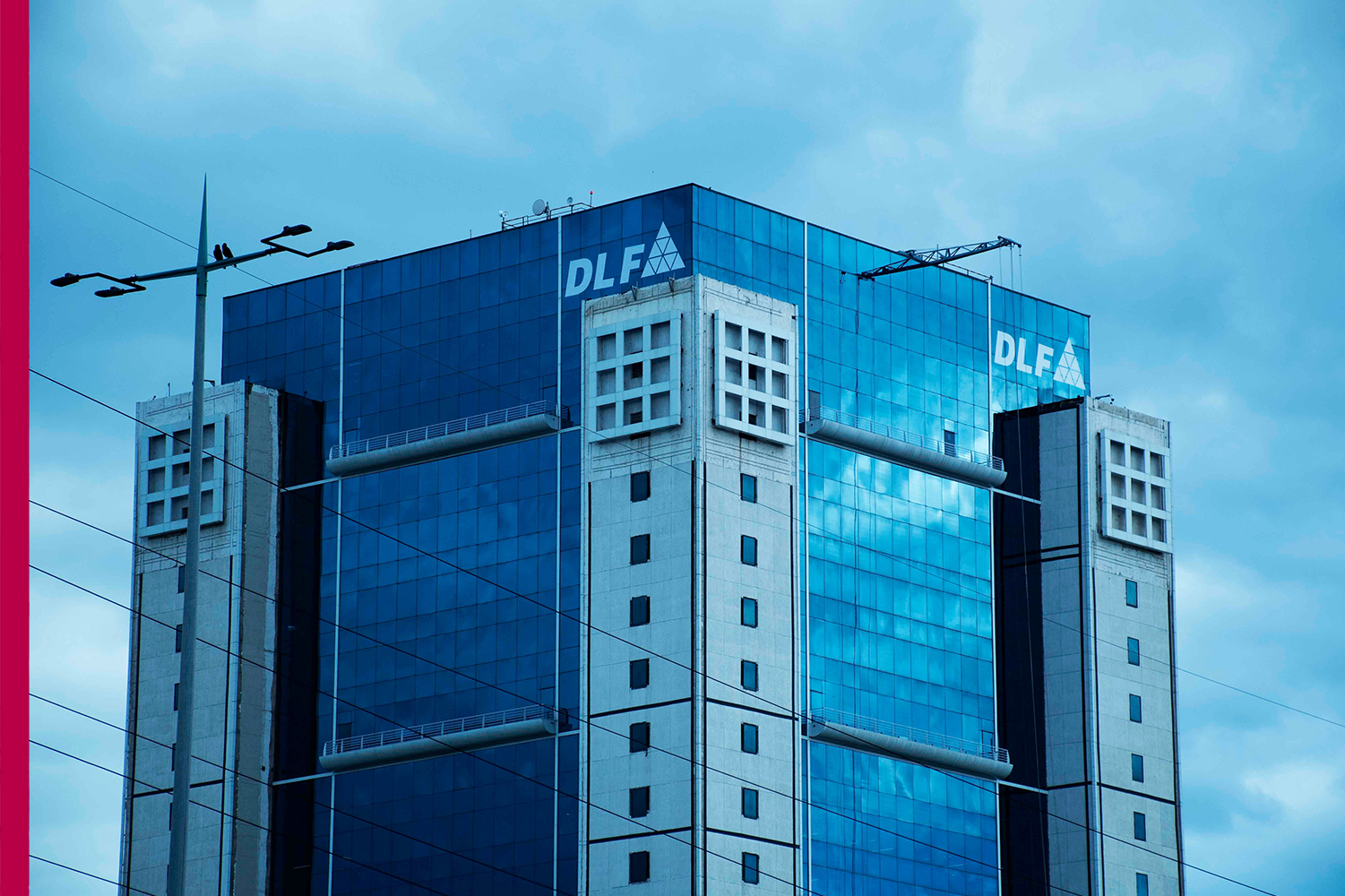
A significant development was reported on November 10, when DLF and Singapore-based GIC’s joint venture, DLF Cyber City Developers Limited, recorded a 9% increase in rental income to ₹1,481 crore during the second quarter of FY27.
The growth was supported by demand for its office and retail properties. Rental income from office complexes increased 9% to ₹1,222 crore, while income from retail real estate assets also rose 9% to ₹259 crore.
The company’s total income grew 11% to ₹2,014 crore during the quarter.
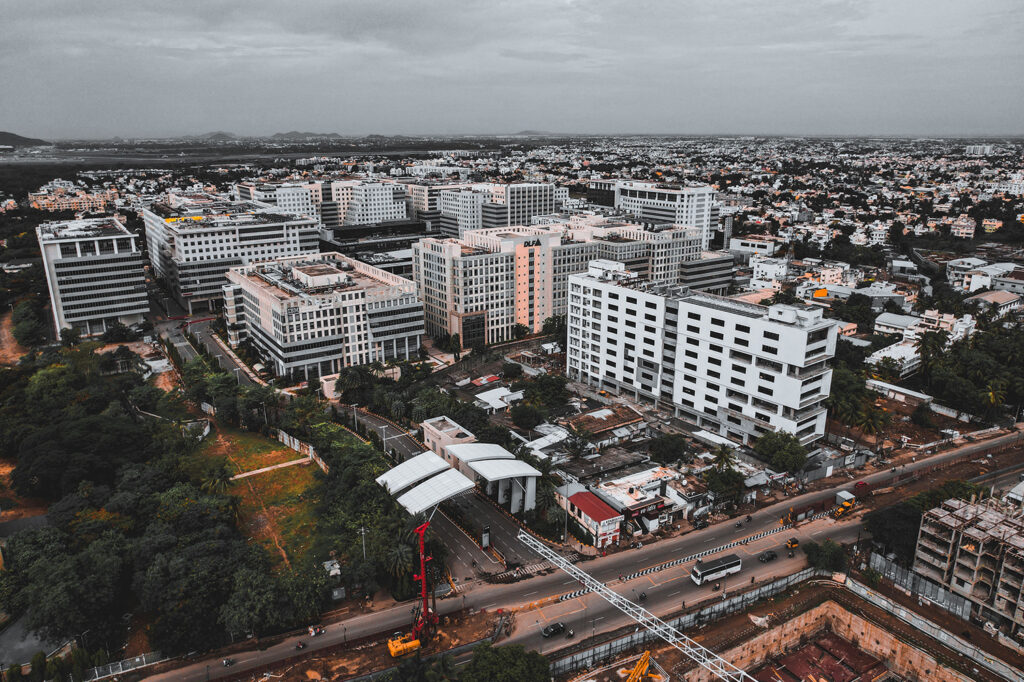
DCCDL operates a portfolio of approximately 44.3 million square feet, including major office complexes and shopping destinations. The company is also developing an additional 11–12 million square feet of commercial space.
These figures highlight the continuing importance of income-generating real estate assets. Unlike residential projects, where developers typically earn revenue through property sales, commercial properties can generate recurring rental income through long-term tenant relationships.
The wider market is also seeing significant residential launch plans. Godrej Properties has indicated that it intends to launch homes worth approximately ₹32,000 crore during the second half of FY27, reflecting its expectations for continued housing demand.
The combination of commercial rental growth and residential expansion suggests that India’s property market is being shaped by multiple demand drivers. Businesses require offices and retail locations, while homebuyers continue to look for properties that match changing lifestyles, income levels and location preferences.
However, the sector faces important questions. Higher construction costs, financing conditions, project delivery timelines and affordability can influence both developers and buyers. Commercial property performance also depends on tenant demand, occupancy levels and the ability to offer spaces that meet modern business requirements.
For investors, developers and property professionals, the distinction between a property that generates recurring income and one that depends on future sales remains important.
India’s real estate story is therefore becoming broader than the traditional housing market. Office campuses, retail destinations, mixed-use developments and large residential launches are all shaping the sector’s next phase.
As the market evolves, the strongest real estate businesses may be those that combine development scale with sustainable rental income, disciplined execution and long-term demand.