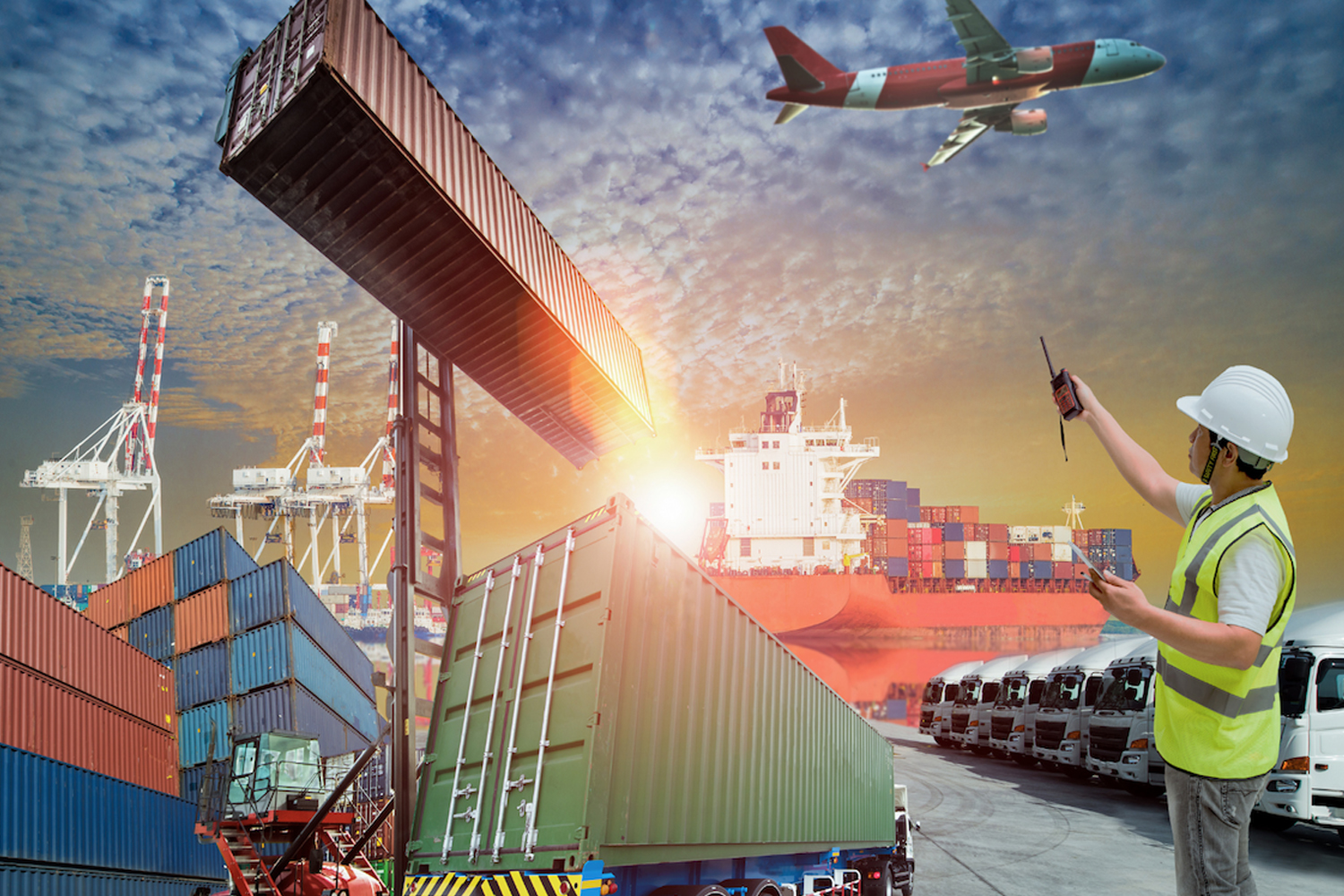




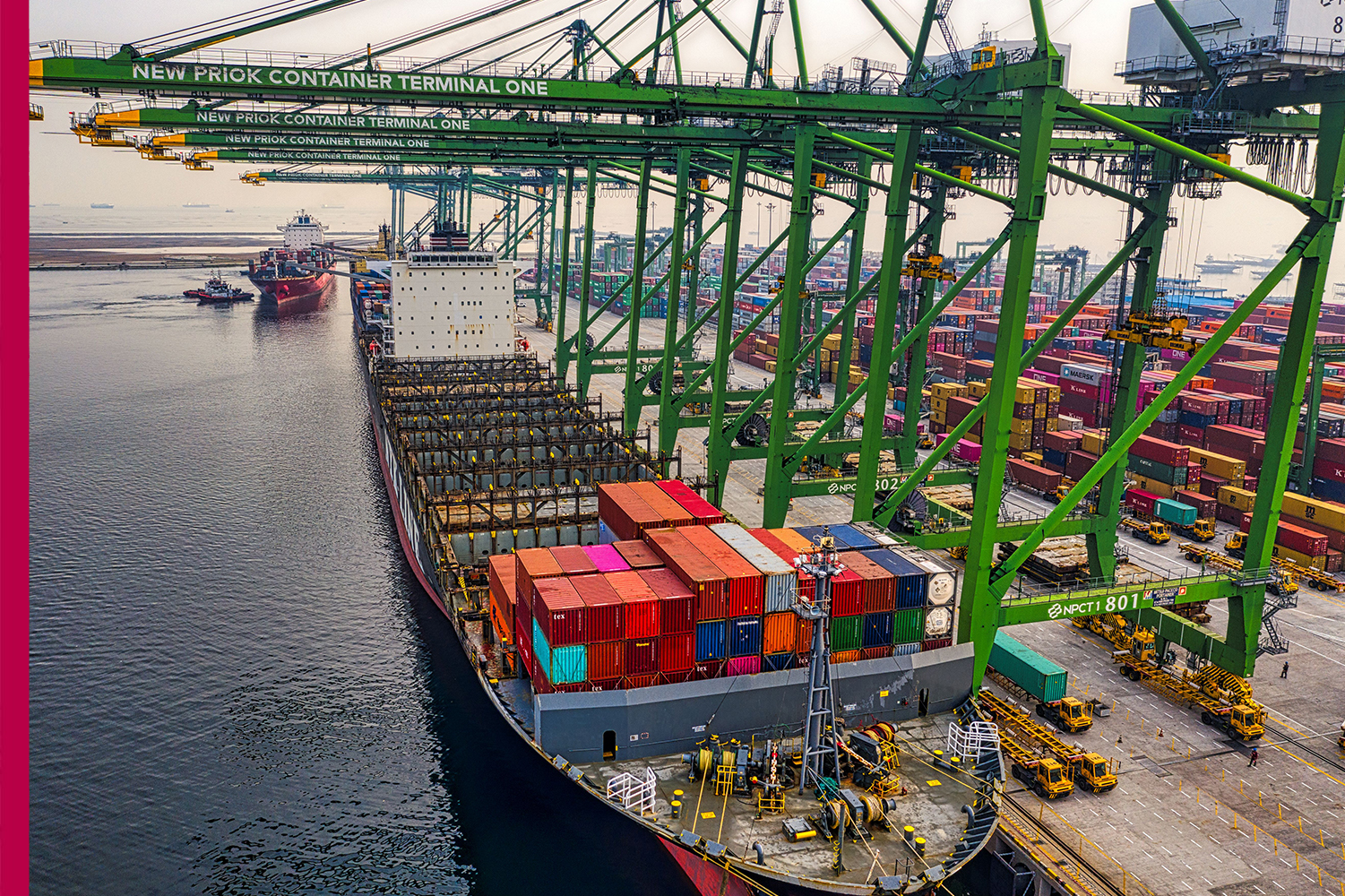
A product ordered online, a machine imported by a factory or an agricultural shipment travelling overseas all depend on one critical industry: logistics. Behind every successful delivery is a network of ports, warehouses, trucks, railways, shipping companies and digital systems working together.
India’s logistics sector has received an encouraging signal from one of its most important gateways. Jawaharlal Nehru Port Authority (JNPA), near Mumbai, handled approximately 8.65 lakh twenty-foot equivalent units (TEUs) of containers during October 2026, representing a 27.05% increase compared with October 2025.
The port also handled approximately 10.12 million tonnes of total cargo during the month, up 19.08% year-on-year, according to industry reporting published during the first week of November.
These figures matter because JNPA is a major gateway for India’s international container trade. Higher cargo volumes can reflect stronger trade activity, improved terminal performance and increased demand for transport and warehousing services.
But the development is part of a much larger transformation.
On November 5, Adani Ports and Special Economic Zone announced plans to acquire Dutch liquid-storage operator Evos in a transaction valued at approximately $2.88 billion. Evos operates eight terminals across the Netherlands, Germany, Spain, Belgium and Malta.
The proposed acquisition would give India’s largest private port operator a significant presence in European liquid-storage infrastructure. It would also expand its exposure to products and markets connected with emerging fuels, including biofuels and sustainable aviation fuel.
The move illustrates how Indian logistics companies are increasingly looking beyond domestic infrastructure. International ports, storage terminals and transport networks can provide access to new markets and strengthen integrated supply-chain capabilities. The transaction remains subject to regulatory and other approvals.
Another important development is taking place in Kerala. Vizhinjam International Seaport received its first import container from Ningbo, China, aboard the MSC Sabrina III, according to an infrastructure-sector bulletin published in November. The milestone is expected to support direct international trade routes and improve the port’s role in regional logistics.
For exporters and importers, efficient port operations can influence the cost and speed of moving goods. Delays, congestion and inefficient cargo handling can increase expenses across the supply chain. Better connectivity between ports, railways, roads and warehouses can help businesses move products more predictably.
Technology is also changing logistics operations. Real-time cargo tracking, automated warehouses, predictive maintenance and digital documentation can improve visibility and reduce manual processes. Artificial intelligence may help companies forecast demand, optimise routes and identify disruptions earlier.
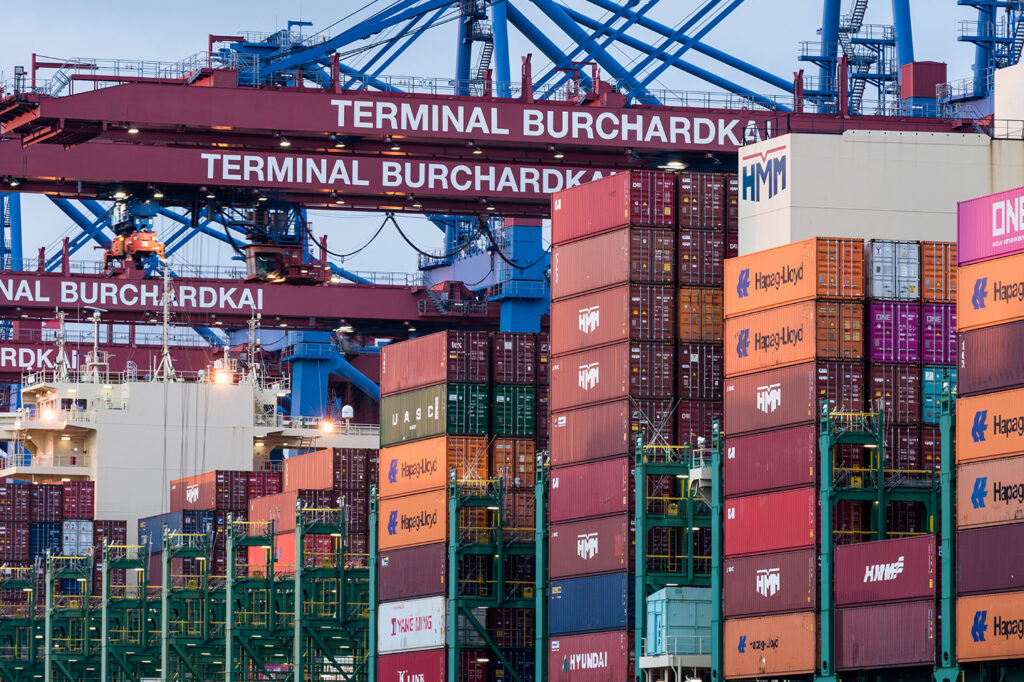
However, the industry still faces challenges. Fuel costs, infrastructure bottlenecks, customs procedures, labour availability and international trade disruptions can all affect performance. Logistics companies must also improve sustainability as customers and regulators pay greater attention to emissions and energy efficiency.
For Indian businesses, a stronger logistics ecosystem can create wider commercial opportunities. Manufacturers can access imported inputs more efficiently, exporters can reach international buyers and retailers can manage inventory across multiple locations.
The latest port figures and international expansion plans point towards a logistics sector that is becoming more ambitious and globally connected.
The future of trade will not depend only on what countries produce. It will depend on how efficiently they can move it.