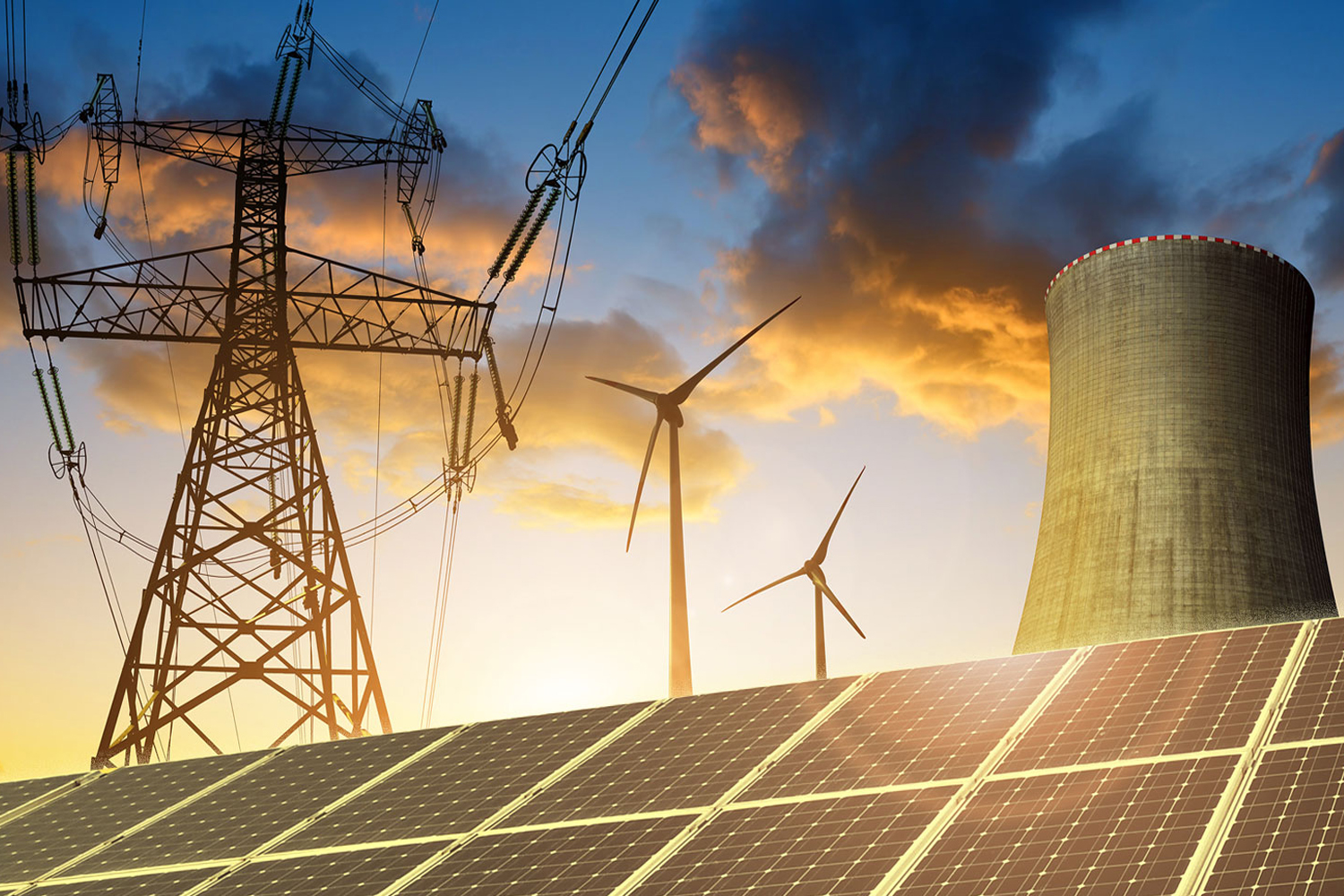



India’s clean-energy transition has reached an important milestone, but the next challenge may be more complicated than installing additional solar panels and wind turbines. The country must find ways to store electricity when it is produced and make it available when people need it most.
This issue came into focus on November 5, 2026, when India’s Power Secretary announced plans to require state power utilities to add energy storage capacity. The proposal is intended to help utilities save surplus clean electricity generated during the day and use it during evening and nighttime demand peaks.
The announcement highlights a major challenge in renewable energy. Solar power generation is strongest during daylight hours, while household and industrial electricity demand often remains high after sunset. Wind generation can also fluctuate depending on weather conditions.
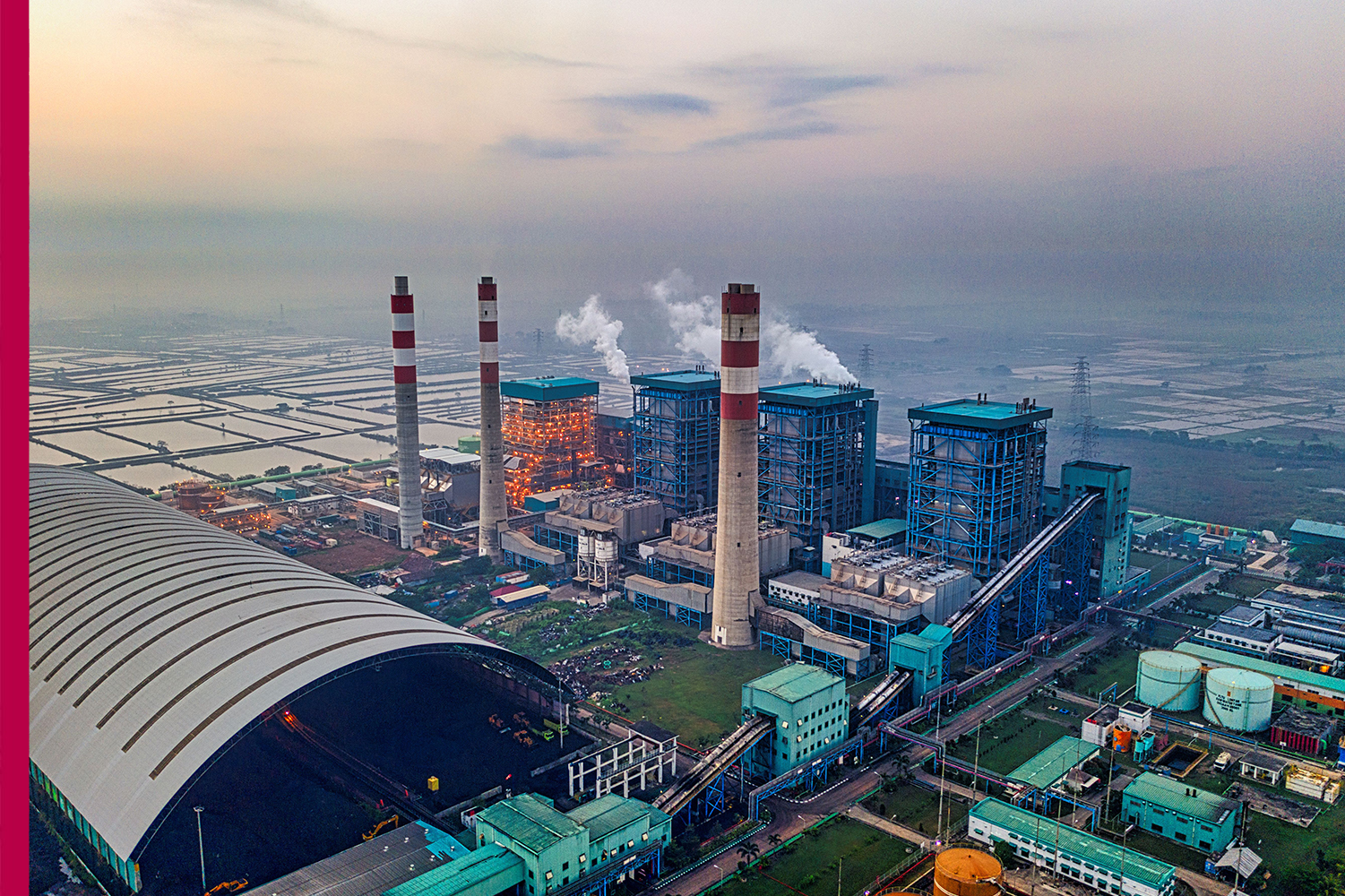
Without sufficient storage, surplus electricity may not be available when demand rises. Utilities can then face pressure to rely on conventional power generation, even when renewable capacity is substantial.
India has already crossed the 300 GW mark in non-fossil electricity capacity, according to recent reporting. But installed capacity and dependable electricity supply are not the same thing. A modern energy system needs generation, transmission, distribution, storage and demand management to work together.
Battery energy storage systems could play a significant role. They can absorb electricity when supply is high and release it later when demand increases. Pumped-storage hydropower is another option, using surplus electricity to move water to a higher reservoir and generating power when required.
The government is also preparing further clean-energy tenders involving storage. A separate programme worth ₹145 billion has been announced to support storage projects, primarily for power producers. In addition, the government intends to require battery storage in new government solar and wind projects beginning in July 2027.
These developments could create opportunities across India’s energy ecosystem. Battery manufacturers, power developers, engineering companies, software providers and infrastructure investors may all play a role in building the next generation of electricity systems.
However, storage technology brings its own challenges. Battery projects require substantial investment, suitable land, reliable supply chains and careful management of safety and recycling. The economics must also work for electricity providers and consumers.
For businesses, dependable electricity is essential. Manufacturing plants, data centres, hospitals, transport systems and commercial buildings all depend on stable power. Better storage infrastructure could help improve reliability while allowing a greater share of renewable electricity to be used.
The transition also requires careful planning for the grid. Transmission networks must connect renewable-energy projects to areas of demand, while digital systems can help forecast consumption and manage electricity flows.
India’s energy future will therefore be shaped not only by how much clean electricity it can generate, but by how effectively it can deliver that electricity around the clock.
The next energy revolution may not be about producing more power alone. It may be about making every unit of clean electricity available at exactly the right time.