


Sustainability has moved from the margins of business discussion to the centre of long-term planning. Companies are increasingly expected to consider how they use energy, manage resources, treat workers, design products, and affect the communities in which they operate. The challenge is no longer simply to communicate environmental responsibility, but to demonstrate meaningful progress through decisions and measurable results.
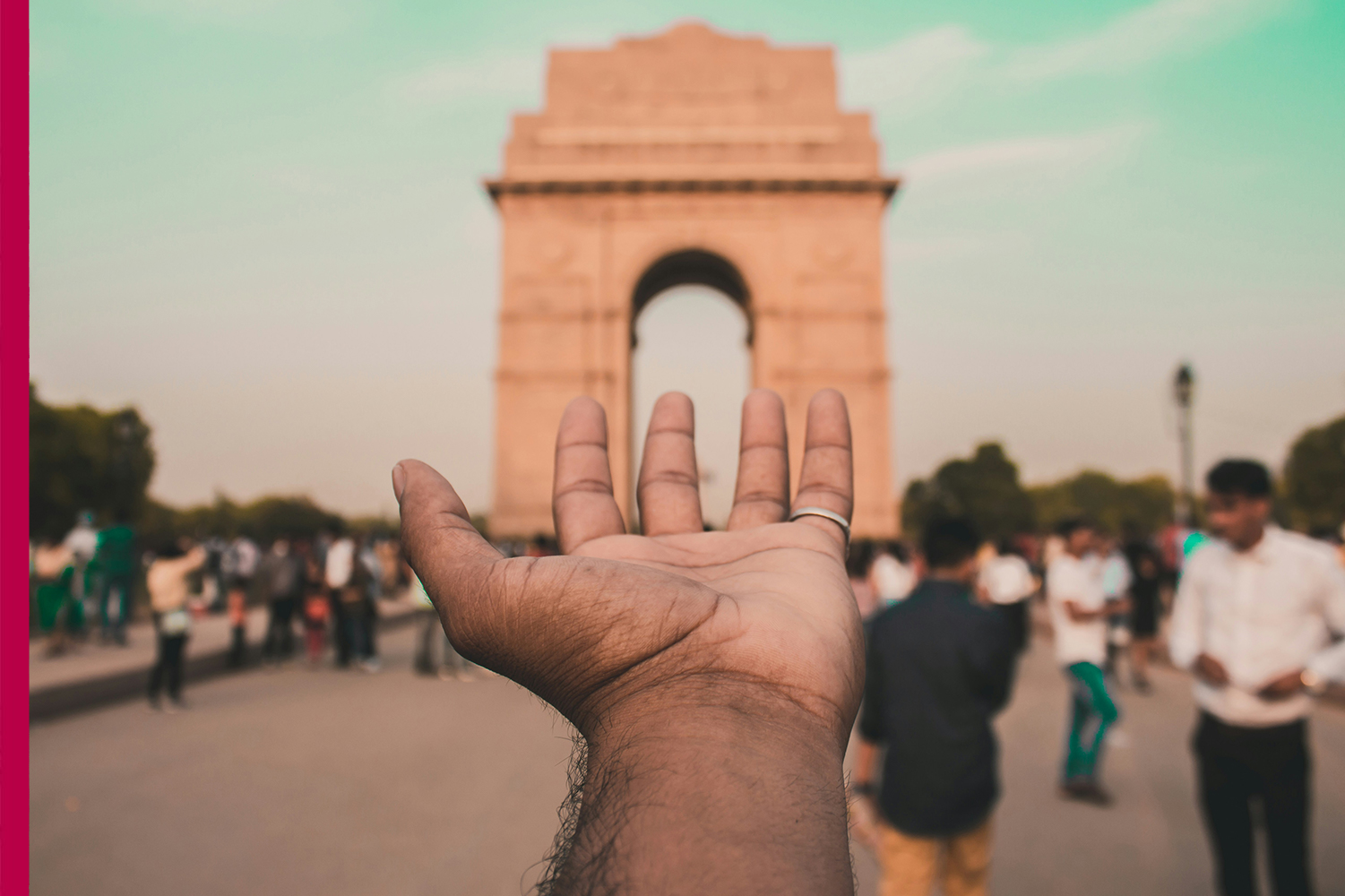
For India, sustainability is closely connected to development. A growing economy needs reliable energy, housing, transport, manufacturing, and employment. Meeting these needs while managing pollution, resource constraints, and climate risks requires investment in cleaner technologies, efficient infrastructure, and more responsible production systems.
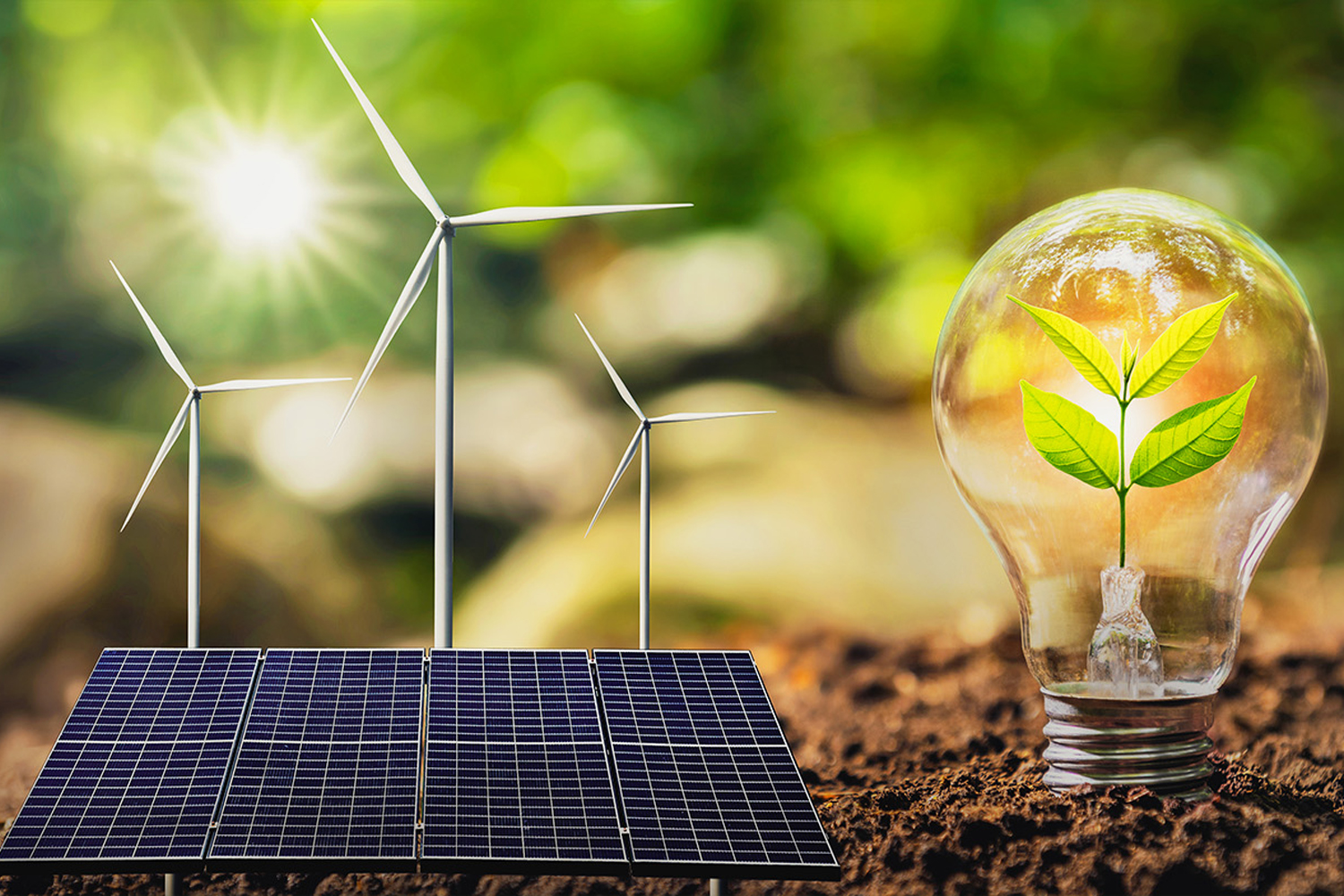
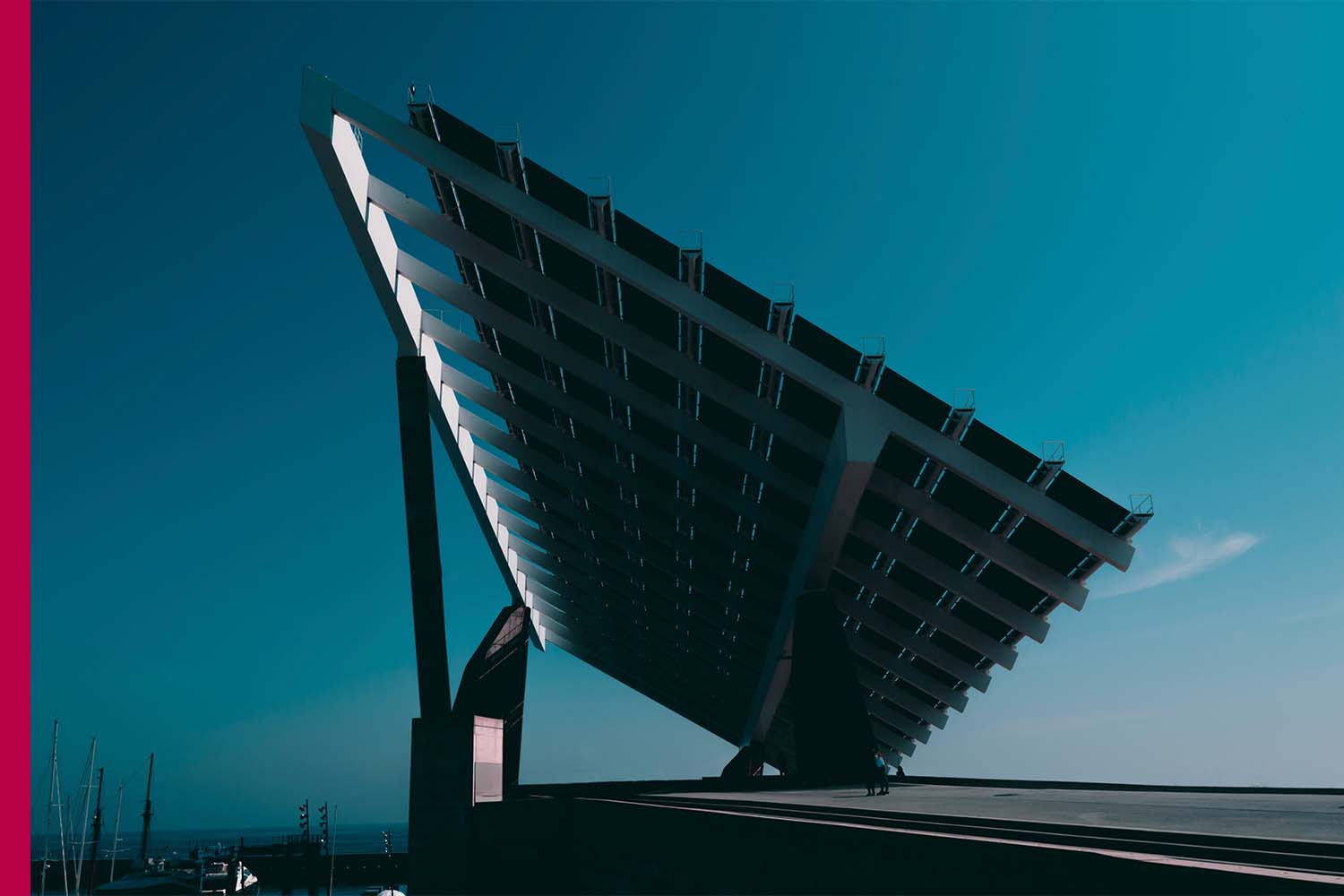
Renewable energy is one important part of this transition. Solar and wind power can diversify electricity supply, while energy storage, improved transmission networks, and more flexible demand management can help integrate variable renewable generation. Businesses are also exploring energy efficiency, electrification, and alternative fuels to manage costs and reduce emissions.
The Bharat Renewable Energy Summit and Expo 2026, inaugurated in New Delhi on 2 November, placed investment and technology partnerships at the centre of the conversation. The four-day event brought together participants from more than 130 countries and showcased opportunities across solar, wind, green hydrogen, energy storage, and related technologies. Its broad participation reflects the growing recognition that the energy transition requires collaboration among governments, manufacturers, financiers, and technology providers.
Sustainability extends beyond electricity. India’s circular-economy efforts are encouraging businesses to think differently about waste, product life cycles, and resource recovery. The World Circular Economy Forum 2026, held in Gandhinagar in September, emphasised the importance of repair, reuse, recycling, and cooperation across industries. Official figures presented at the forum indicated that more than 83,000 producers and 4,802 recyclers were registered under various extended producer responsibility frameworks as of August 2026.
These approaches can create commercial opportunities. Businesses may recover valuable materials from waste, develop products that last longer, reduce packaging, or design systems that make reuse more practical. However, circularity requires more than collecting discarded materials. Products must be designed with recovery in mind, and collection, sorting, processing, and reuse systems must work together.
Credibility is essential. Broad claims such as “eco-friendly” or “green” can mislead consumers if they are not supported by evidence. Organisations need clear baselines, transparent reporting, realistic targets, and appropriate methods for measuring progress. They should also consider the full life cycle of products and operations rather than focusing on one visible improvement while ignoring other impacts.
Sustainability is also a question of resilience. Water scarcity, extreme heat, flooding, and supply disruptions can affect production, transport, insurance, and worker safety. Companies that assess these risks and invest in adaptation may be better prepared for changing conditions.

The financial dimension cannot be ignored. Cleaner technologies may require substantial initial investment, and the economic case differs by industry. Businesses need to evaluate operating costs, available financing, regulatory requirements, and the long-term risks of delaying improvements. Governments can help through stable policies and appropriate incentives, while companies must take responsibility for implementation.
People are central to a fair transition. Workers need training as industries adopt new technologies, and communities affected by major projects deserve meaningful engagement. Sustainability should create durable benefits rather than transferring costs to people with the least ability to absorb them.
The next phase will reward organisations that integrate sustainability into procurement, product design, energy management, and leadership decisions. It is not a separate initiative to be considered after commercial priorities are settled. It is part of how resilient businesses are built.
Real progress begins when commitments become operational practices. Sustainability earns its value when it reduces avoidable harm, strengthens long-term performance, and contributes to a future in which economic development and environmental responsibility can advance together.