




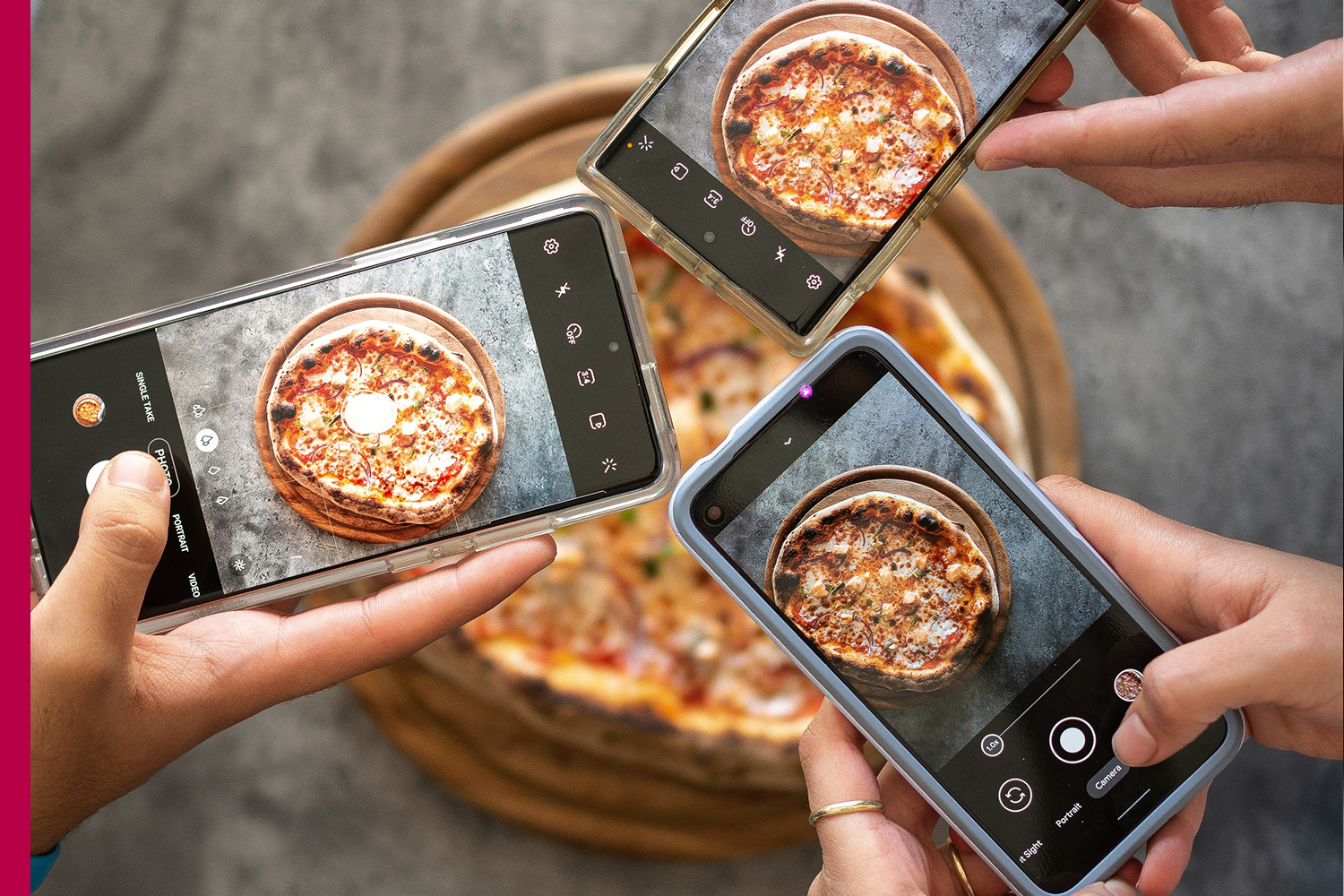
Gen Z kids born roughly between 2010 and 2024 belong to a generation that has grown up surrounded by technology, instant communication, and rapid change. Unlike previous generations that gradually adapted to digital life, Gen Z was immersed in it from the very beginning. Smartphones, YouTube, online gaming, social media, and smart devices are not new discoveries to them they are part of everyday life. As a result, this generation is developing a unique mindset, personality, and lifestyle that is reshaping education, entertainment, and even family dynamics.
One of the key characteristics of Gen Z kids is their strong digital literacy. Even at a young age, many of them can navigate tablets and apps better than adults. With online platforms providing endless access to information, Gen Z is curious, quick to learn, and comfortable exploring different interests. This exposure has also helped them develop creative skills. Whether it’s making digital art, editing videos, coding, or creating content for social platforms, they easily adapt to modern tools and trends.
Gen Z kids are also known for their individuality and self-expression. They prefer authenticity over perfection and value creativity, diversity, and personal passion. Fashion, gaming, music, and online communities play big roles in shaping their identities. Many of them dream of becoming influencers, content creators, gamers, or entrepreneurs rather than following traditional career paths. They want to pursue work that excites them and gives them freedom not just financial stability.
However, growing up in a digital world brings both benefits and challenges. On the positive side, Gen Z kids are emotionally aware, socially conscious, and often open-minded. They care deeply about issues like equality, climate change, and mental health. They are not afraid to speak up and support causes they believe in. Education is also changing because of them they respond better to interactive learning, gamified studies, and skill-based knowledge rather than rote memorization.

At the same time, technology can create pressure. Constant social media exposure may lead to comparison, insecurity, or screen addiction if not balanced correctly. Many Gen Z kids experience stress due to high expectations, competitive academics, and the pressure to keep up with online trends. Parents and educators play an important role in helping them balance digital life with offline experiences.
Despite these challenges, one thing is clear: Gen Z is incredibly resilient and adaptable. They are problem-solvers who embrace innovation rather than fear it. With the world moving fast toward automation, AI, and digital careers, this generation is well-prepared for the future. Their creativity, independence, and tech-savviness will help redefine industries and transform the way we communicate, work, and live.
To support Gen Z kids effectively, society must understand and accept their evolving needs. Instead of forcing outdated systems on them, adults can guide them with empathy, communication, and trust. Encouraging hobbies, outdoor activities, real-world friendships, and emotional expression can build a healthy balance.
Gen Z kids represent the future energetic, innovative, and fearless. With the right support, they have the power to bring fresh ideas and positive change to the world. Their journey has only begun, and the world is already watching with interest and admiration.