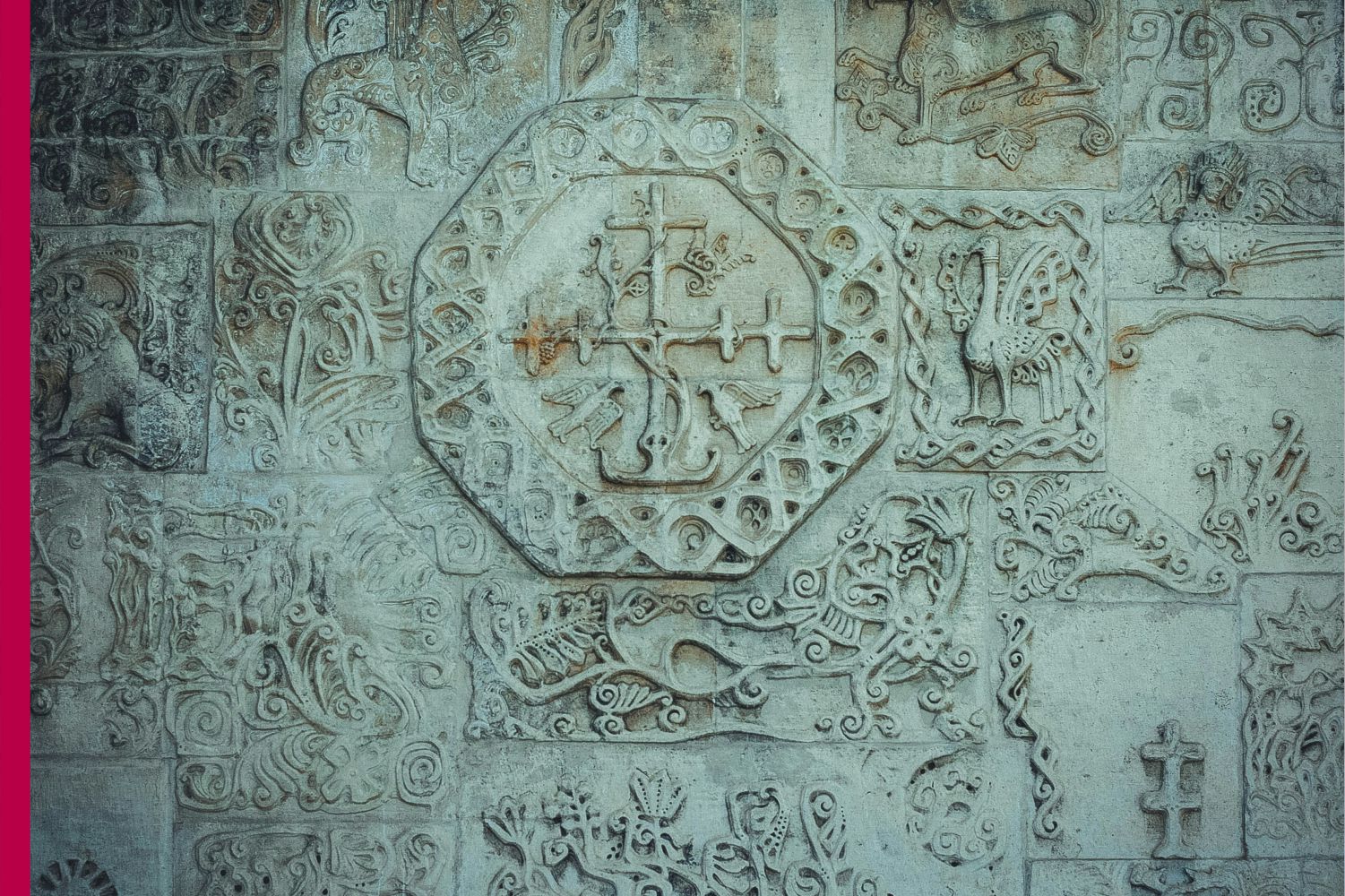





Christmas has evolved over centuries, blending sacred traditions with cultural practices to become one of the most celebrated festivals worldwide. Its origins lie in the birth of Jesus Christ, commemorated by early Christians as a symbol of hope, salvation, and divine love.
In the early centuries, Christmas was primarily a religious observance marked by prayer, fasting, and church gatherings. Over time, elements from pagan winter festivals were incorporated, such as evergreen decorations and feasting, symbolizing life and renewal during the darkest days of winter.
During the Middle Ages, Christmas became a community-centered celebration with plays, carols, and public feasts. By the Victorian era, many modern traditions emerged. Christmas trees, greeting cards, gift exchanges, and family-centered celebrations gained popularity, shaping how we celebrate today.
The image of Santa Claus evolved from Saint Nicholas, a generous bishop known for helping the poor. Over time, literature and popular culture transformed him into the cheerful, gift-giving figure recognized worldwide.

In the modern era, Christmas has become both a religious and cultural festival. Media, marketing, and global connectivity have amplified its reach, making it a season of celebration even in non-Christian regions. While commercialization has grown, so has the emphasis on charity, social responsibility, and inclusivity.
Despite its evolution, the core message of Christmas remains unchanged—love, kindness, and hope. Understanding its history allows us to appreciate its richness and reminds us to celebrate Christmas with purpose and meaning.