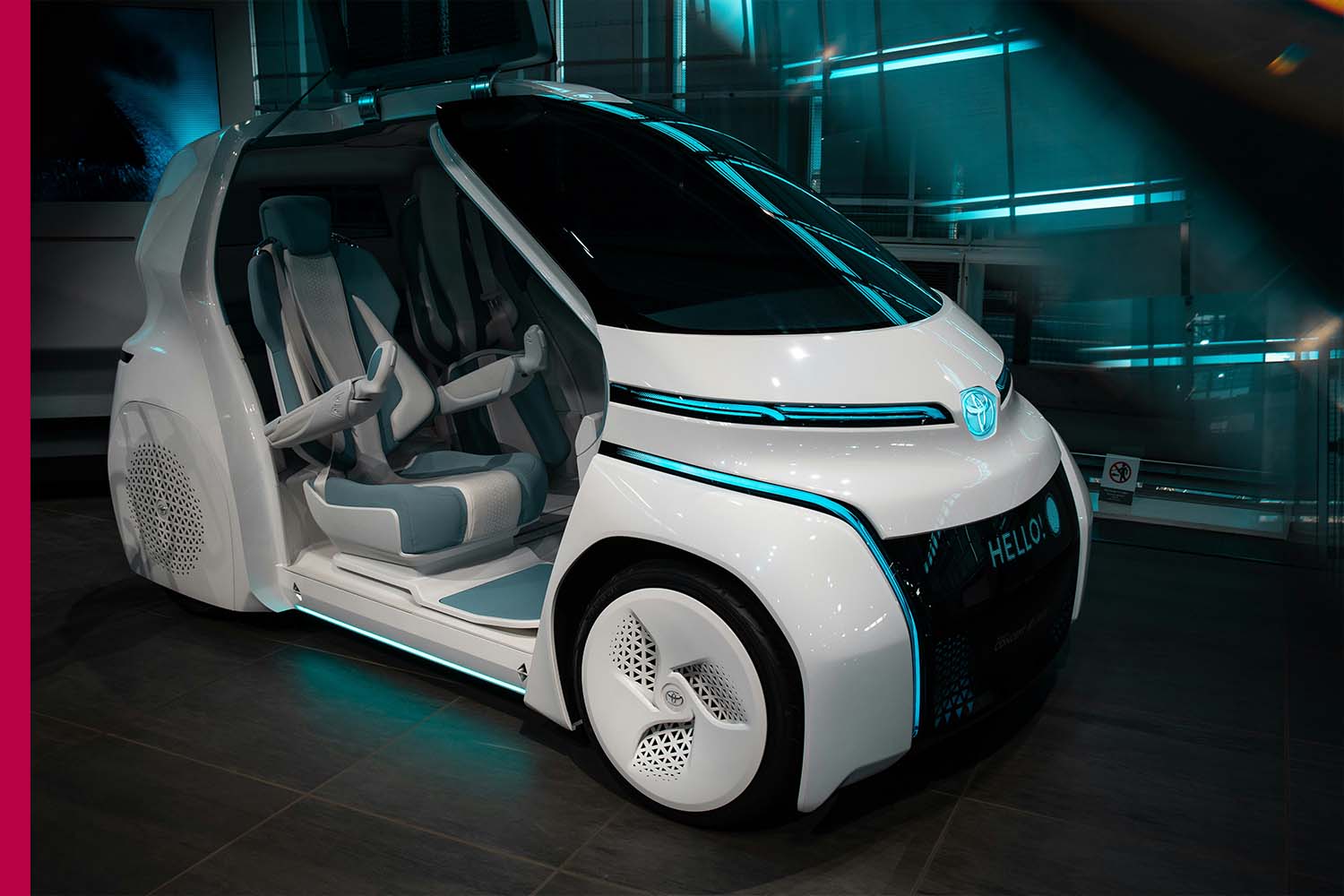


The future of electric vehicles (EVs) in India beyond 2030 looks promising, as the nation accelerates its transition toward cleaner and more sustainable transportation. With rising environmental concerns, increasing fuel costs, and strong policy support, EVs are expected to play a central role in reshaping India’s mobility ecosystem in the coming decades.
One of the key drivers of EV growth beyond 2030 is government policy and long-term vision. Initiatives such as FAME (Faster Adoption and Manufacturing of Electric Vehicles) and state-level incentives are already encouraging EV adoption. As India strengthens its commitment to reducing carbon emissions and achieving climate goals, stricter regulations on internal combustion engine vehicles and increased subsidies for EVs are likely to further boost adoption rates.
Technological advancements will significantly shape the EV landscape. Battery technology is expected to improve in terms of energy density, charging speed, and lifespan. Solid-state batteries and next-generation lithium-ion technologies could reduce charging times to minutes while extending driving range. These innovations will address major consumer concerns such as range anxiety and battery degradation, making EVs more practical for everyday use.
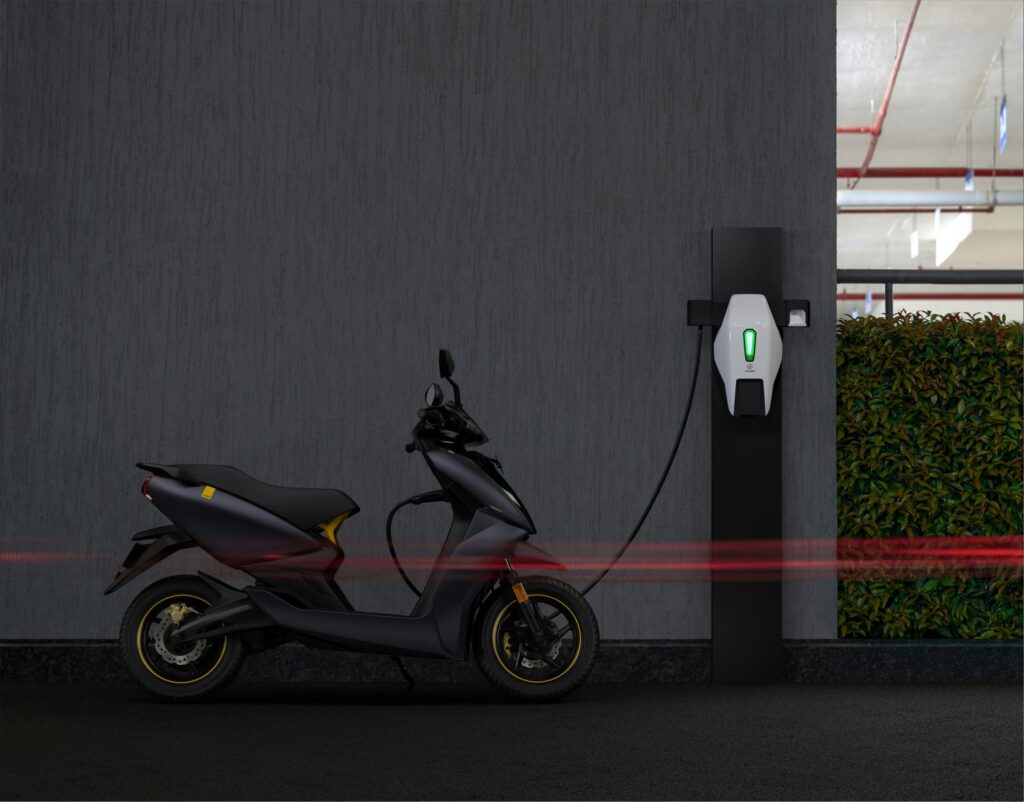
Charging infrastructure will also see massive expansion beyond 2030. Public and private investments are expected to create a widespread network of fast-charging stations across highways, cities, and rural areas. Integration with renewable energy sources, such as solar-powered charging stations, will enhance sustainability and reduce dependence on fossil fuels. Smart charging solutions will enable efficient energy management and cost optimization for users.
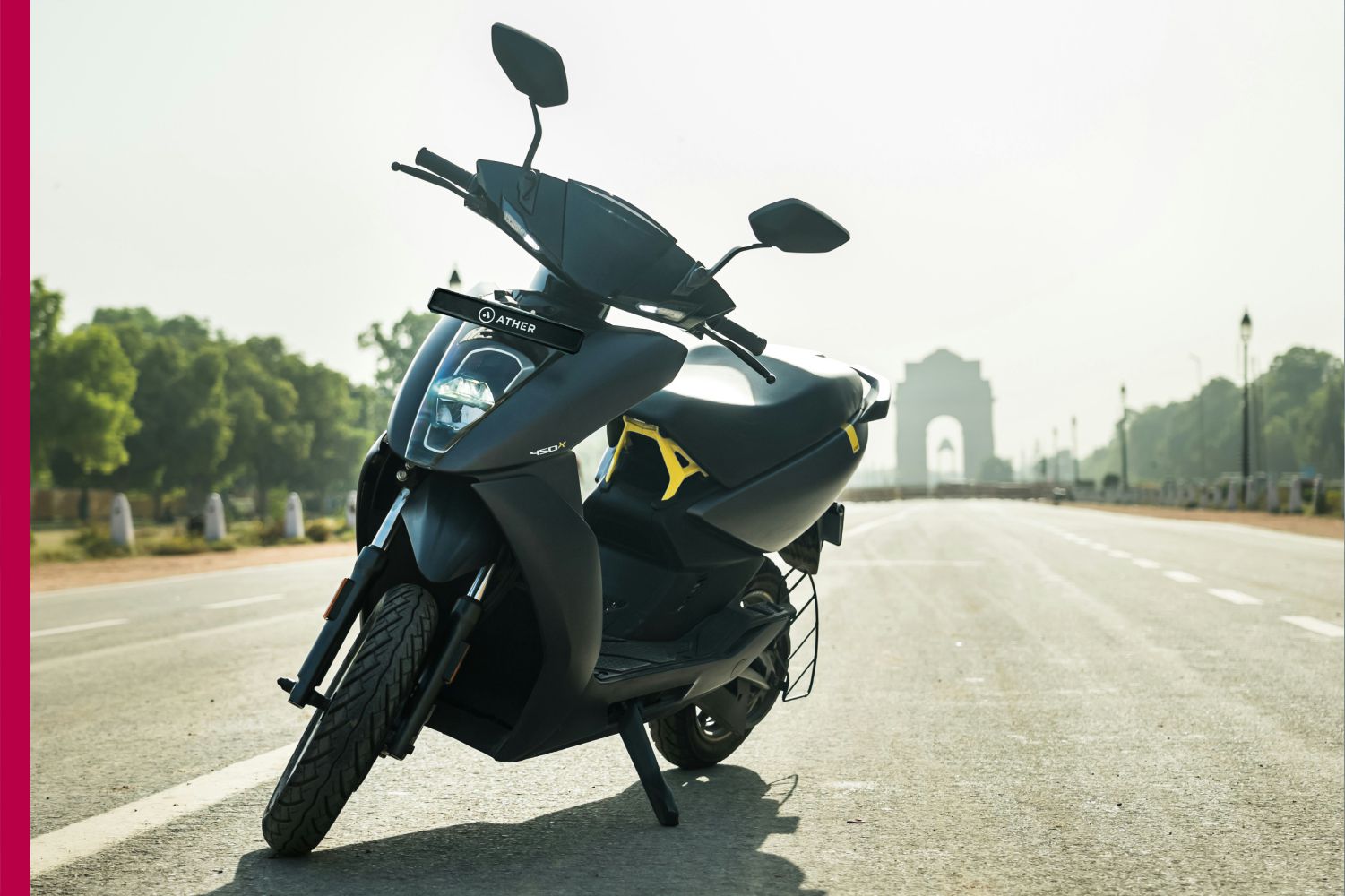
The future of EVs in India will not be limited to passenger cars. Electric mobility will expand across two-wheelers, three-wheelers, buses, and commercial vehicles. Electric two-wheelers and three-wheelers are already gaining popularity due to their affordability and lower operating costs. In the coming years, electric buses and freight vehicles will play a crucial role in reducing urban pollution and improving logistics efficiency.
Indian manufacturers and startups are expected to play a vital role in the EV ecosystem. Companies like Tata Motors and Mahindra Electric are already investing heavily in electric mobility, while new entrants are driving innovation in battery technology, charging solutions, and vehicle design. Localization of EV components and battery manufacturing will reduce costs and strengthen India’s position in the global EV supply chain.
The growth of EVs will also create new economic opportunities. Job creation in areas such as battery manufacturing, software development, charging infrastructure, and maintenance services will contribute to economic development. Additionally, the shift toward EVs will reduce India’s dependence on imported oil, improving energy security and trade balance.
However, challenges remain in achieving widespread EV adoption beyond 2030. High upfront costs, limited charging infrastructure in rural areas, and concerns about battery recycling and disposal need to be addressed. Developing a robust recycling ecosystem and sustainable supply chains for critical minerals will be essential for long-term success.
Consumer awareness and behavioral change will also play a key role. As more people experience the benefits of EVs such as lower running costs, reduced emissions, and smoother driving—adoption is expected to accelerate. Education and awareness campaigns will help build confidence and encourage the shift from conventional vehicles.
In conclusion, the future of electric vehicles in India beyond 2030 is set to be transformative. With advancements in technology, supportive policies, and growing consumer acceptance, EVs will become a mainstream mode of transportation. As India moves toward a greener and more sustainable future, electric mobility will be at the forefront of innovation, economic growth, and environmental responsibility.