




The future of human civilization will be defined by innovation. From artificial intelligence to renewable energy and space exploration, technology continues to evolve at an astonishing pace, transforming how we live, work, and interact. Future innovations are not just about convenience—they hold the key to solving some of humanity’s greatest challenges, from climate change and disease to poverty and resource scarcity. As we look ahead, it’s clear that innovation will be the driving force behind progress, sustainability, and global development.
One of the most significant areas of future innovation is artificial intelligence (AI). AI is already reshaping industries such as healthcare, education, finance, and manufacturing. In the coming years, AI systems will become even more intelligent, capable of understanding human emotions, predicting complex outcomes, and making real-time decisions. AI-powered robots will assist doctors in surgeries, automate labor-intensive jobs, and personalize education to suit individual learning styles. Ethical AI development and responsible data use will be crucial to ensuring these technologies serve humanity rather than replace it.
Another major area of transformation lies in sustainable technology and renewable energy. As the effects of climate change intensify, innovators are focusing on creating greener, cleaner alternatives to fossil fuels. Solar panels, wind turbines, and hydrogen fuel cells are becoming more efficient and affordable. Future innovations may include energy storage solutions that can power entire cities and carbon capture systems that remove emissions directly from the atmosphere. Smart cities—powered by renewable energy and connected through intelligent infrastructure—will redefine urban living, balancing progress with environmental responsibility.

Healthcare innovations are also set to revolutionize human well-being. Biotechnology, gene editing, and personalized medicine will allow doctors to prevent diseases before they occur and tailor treatments to each individual’s genetic makeup. Wearable devices will continuously monitor vital signs, sending real-time data to healthcare providers. Innovations like 3D-printed organs and nanotechnology could one day eliminate transplant waiting lists and cure diseases at the cellular level.
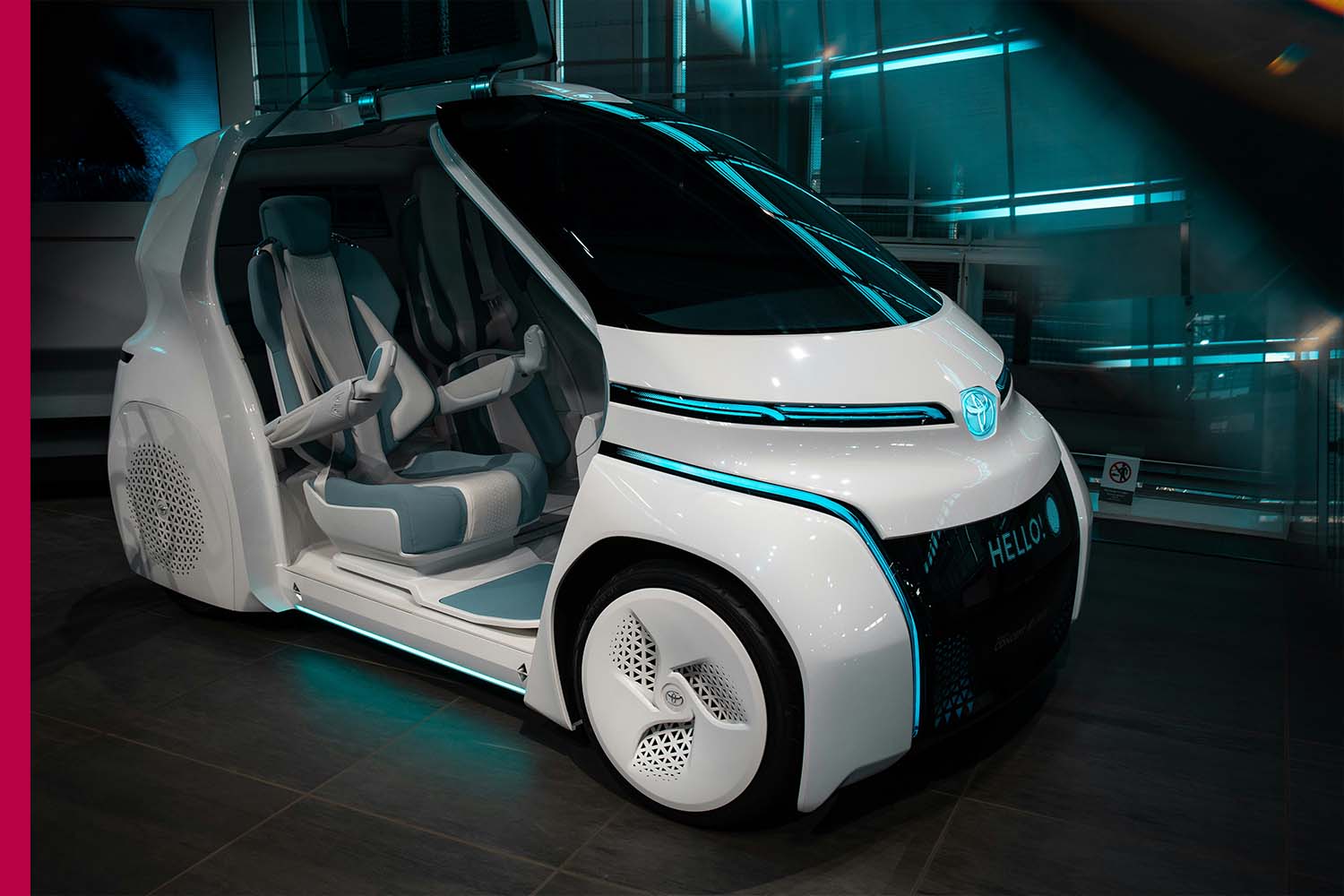
In the field of transportation, the future promises faster, cleaner, and more efficient mobility solutions. Electric vehicles are just the beginning—autonomous cars, flying taxis, and hyperloop trains are on the horizon. These advancements will drastically reduce travel time, lower carbon emissions, and make commuting more accessible and sustainable. Meanwhile, space exploration is opening new frontiers. Companies like SpaceX and NASA are working toward colonizing Mars, mining asteroids for resources, and making space travel commercially viable.
Another exciting frontier is quantum computing, which could revolutionize data processing and problem-solving. Unlike traditional computers, quantum machines can perform complex calculations at unimaginable speeds, opening doors to breakthroughs in materials science, medicine, and cybersecurity. The fusion of quantum technology with AI could create innovations beyond what we can currently imagine.
In conclusion, the future of innovation is not just about technology—it’s about creating a world that is smarter, more sustainable, and more connected. Each breakthrough, from renewable energy to AI and space travel, brings us closer to a future where human creativity and technology work hand in hand for the betterment of all. As we stand on the edge of a new era, one thing is certain: innovation will continue to be the light that guides humanity toward progress, prosperity, and endless possibility.