
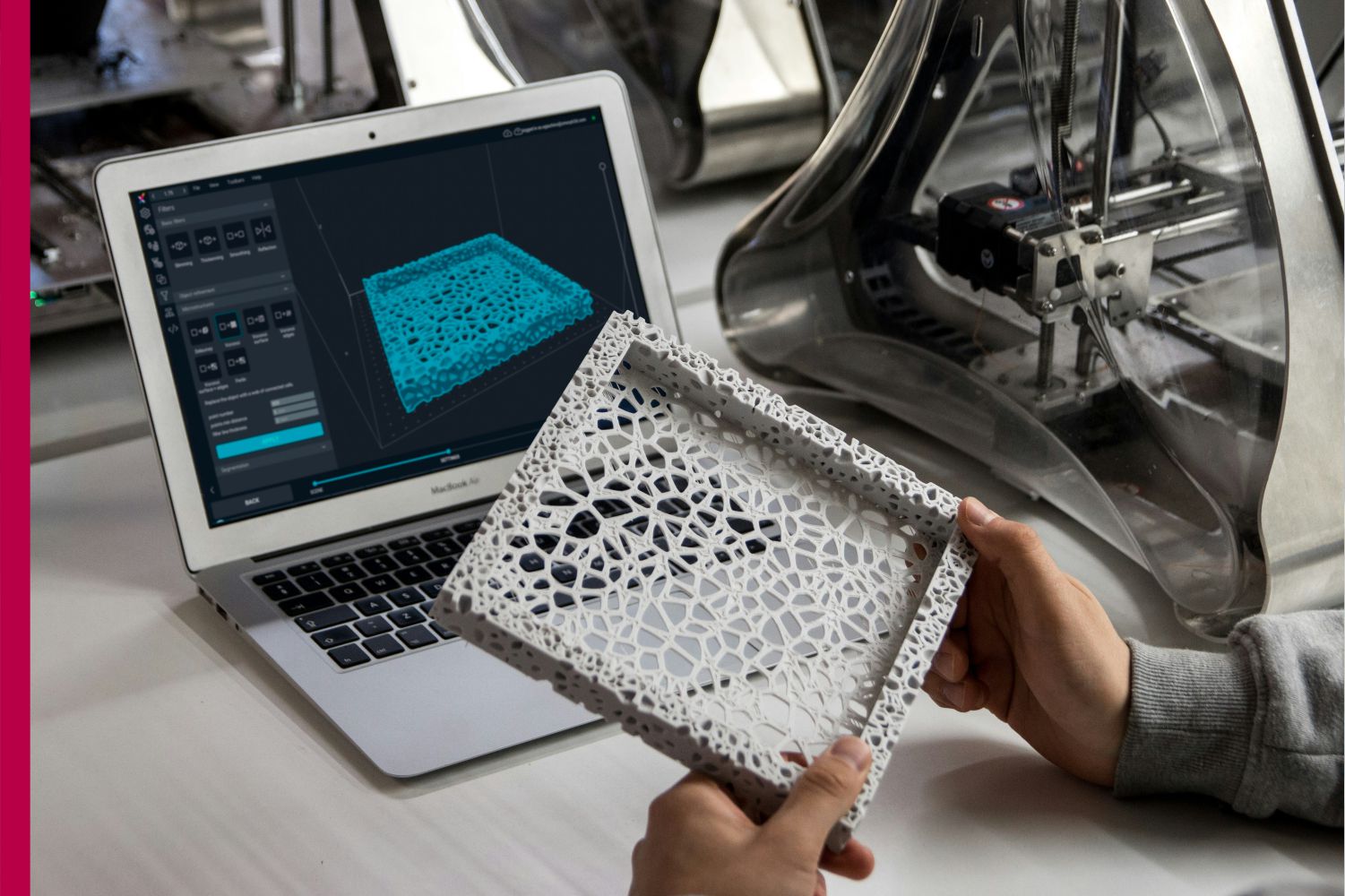



3D printing, also known as Additive Manufacturing, is transforming the manufacturing industry by introducing new levels of flexibility, efficiency, and innovation. Unlike traditional manufacturing methods that involve cutting or molding materials, 3D printing builds objects layer by layer from digital designs. This revolutionary approach is reshaping how products are designed, produced, and delivered across various industries.
One of the most significant applications of 3D printing in manufacturing is rapid prototyping. Manufacturers can quickly create prototypes to test designs, identify flaws, and make improvements before moving to full-scale production. This reduces development time and costs, allowing companies to bring products to market faster. Designers can experiment with complex shapes and structures that would be difficult or impossible to achieve using traditional methods.
Customization is another key advantage of 3D printing. Manufacturers can produce tailored products based on specific customer requirements without the need for extensive retooling. This is particularly useful in industries such as healthcare, automotive, and consumer goods, where personalized products are in high demand. From custom medical implants to specialized automotive parts, 3D printing enables precise and efficient customization.
3D printing also contributes to cost savings and material efficiency. Traditional manufacturing often results in material waste due to cutting and shaping processes. In contrast, additive manufacturing uses only the necessary amount of material, reducing waste and lowering production costs. This makes it an environmentally friendly option that supports sustainable manufacturing practices.
Another important application is the production of complex components. 3D printing allows manufacturers to create intricate designs with internal structures, lightweight materials, and optimized geometries. This is especially valuable in industries like aerospace and automotive, where reducing weight while maintaining strength is crucial. Complex parts that once required multiple components can now be produced as a single piece, improving efficiency and durability.
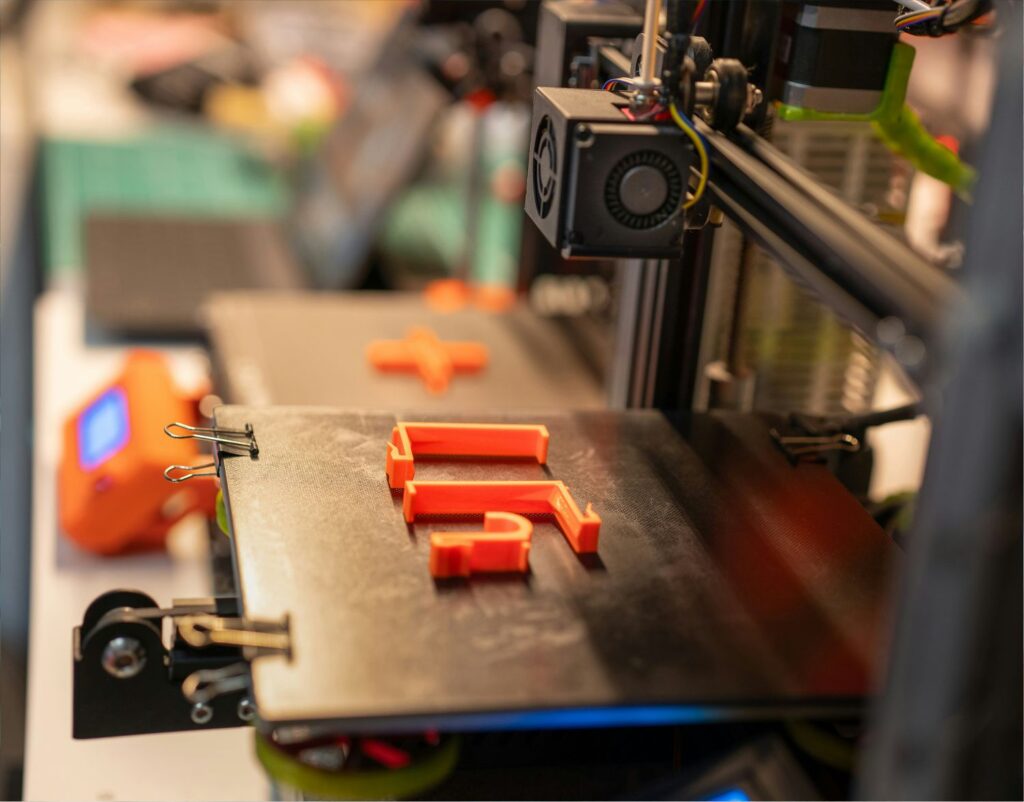
On-demand manufacturing is also becoming more feasible with 3D printing technology. Instead of maintaining large inventories, companies can produce parts as needed. This reduces storage costs and minimizes the risk of overproduction. It also improves supply chain efficiency, as products can be manufactured closer to the point of use, reducing transportation time and costs.
3D printing is also playing a role in tooling and manufacturing support. Custom tools, molds, and jigs can be quickly produced to support production processes. This enhances flexibility and allows manufacturers to adapt to changing production needs without significant delays.
Despite its advantages, 3D printing in manufacturing faces certain challenges. The initial cost of equipment and materials can be high, and production speed may not always match traditional mass manufacturing methods. Additionally, ensuring consistent quality and meeting industry standards require careful monitoring and expertise.
In conclusion, 3D printing is revolutionizing manufacturing by offering innovative solutions for design, production, and customization. Its ability to reduce waste, improve efficiency, and enable complex designs makes it a valuable tool for modern industries. As technology continues to advance, 3D printing is expected to play an even greater role in shaping the future of manufacturing.