


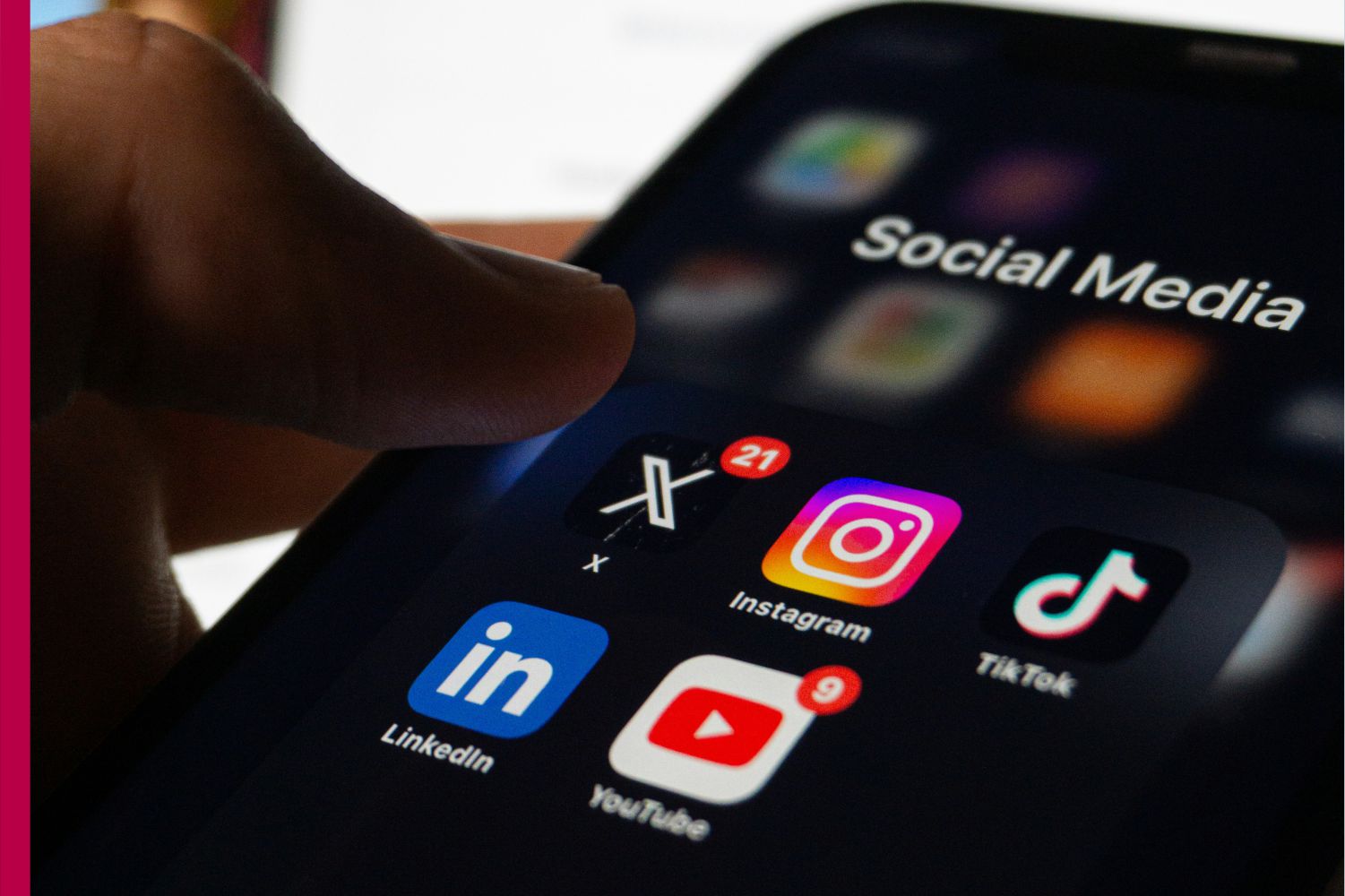
For Generation Z, social media is not just a form of entertainment; it is a daily tool for communication, learning, self-expression, and influence. Born into a world of smartphones, high-speed internet, and constant connectivity, Gen Z has grown up alongside platforms like Instagram, YouTube, Snapchat, TikTok, and X. As a result, social media has become deeply woven into how this generation thinks, interacts, and shapes its identity.
One of the most defining ways Gen Z uses social media is for self-expression. Short videos, stories, memes, and reels allow young people to share their personalities, opinions, creativity, and emotions instantly. Unlike previous generations, Gen Z values authenticity over perfection. Unfiltered content, honest conversations, and real-life experiences often gain more attention than highly polished posts. This shift has changed online culture, encouraging relatability and individuality rather than idealized lifestyles.
Social media also serves as a major learning and discovery platform for Gen Z. Educational content, tutorials, and explainers are widely consumed through short-form videos and posts. From learning new skills and languages to understanding finance, mental health, and technology, Gen Z turns to social media for quick and accessible knowledge. Influencers, creators, and educators play a key role in shaping opinions and spreading information in a format that feels engaging and easy to understand.
Another important aspect is community building. Social media helps Gen Z find people who share similar interests, values, and experiences, regardless of geographic boundaries. Online communities centered around gaming, music, fashion, social causes, and mental health offer a sense of belonging. For many young individuals, these digital spaces provide support and connection that may not always be available offline.

Social media has also become a powerful voice for Gen Z in social and cultural movements. This generation actively uses platforms to raise awareness about issues such as climate change, equality, mental health, and social justice. Hashtags, viral campaigns, and online discussions allow Gen Z to participate in global conversations and influence public opinion. Their digital activism shows how social media can be a tool for change, not just consumption.
From a career and business perspective, Gen Z views social media as an opportunity. Many young people build personal brands, launch small businesses, and explore creative careers through content creation. Platforms offer exposure, networking, and income possibilities that were unimaginable a decade ago. For Gen Z, social media is not just a pastime but a potential career pathway.
However, this constant digital presence comes with challenges. Issues such as screen addiction, comparison, misinformation, and mental health concerns are real. Gen Z is increasingly aware of these drawbacks and is beginning to advocate for healthier online habits, digital breaks, and mindful content consumption.
In conclusion, social media functions as a multifaceted tool for Gen Z. It empowers expression, learning, connection, activism, and opportunity. While it presents challenges, its influence on this generation is undeniable. For Gen Z, social media is not just a platform it is a space where culture is created, voices are amplified, and futures are shaped.