




Vintage posters are powerful visual artworks that offer a glimpse into the past, reflecting the culture, design trends, and social values of earlier eras. Created primarily for advertising, entertainment, travel, and public awareness, these posters have evolved into highly valued art forms and collectibles. Their bold imagery, hand-drawn illustrations, and expressive typography continue to inspire designers and art lovers even in the modern digital age.
One of the most striking features of vintage posters is their artistic style. Before the rise of digital printing, posters were designed by skilled artists who relied on hand illustration, lithography, and limited color palettes. This resulted in strong compositions, dramatic contrasts, and memorable visuals. Whether promoting films, theater shows, travel destinations, or consumer products, vintage posters focused on capturing attention instantly, often using exaggerated figures, symbolic imagery, and eye-catching layouts.
Vintage posters also serve as historical records. They reflect the political, economic, and social atmosphere of their time. Wartime propaganda posters encouraged patriotism and unity, while travel posters showcased exotic destinations and the excitement of exploration. Commercial posters reveal changing consumer habits, fashion trends, and technological advancements. By studying these posters, we gain insight into how people lived, communicated, and expressed ideas in the past.
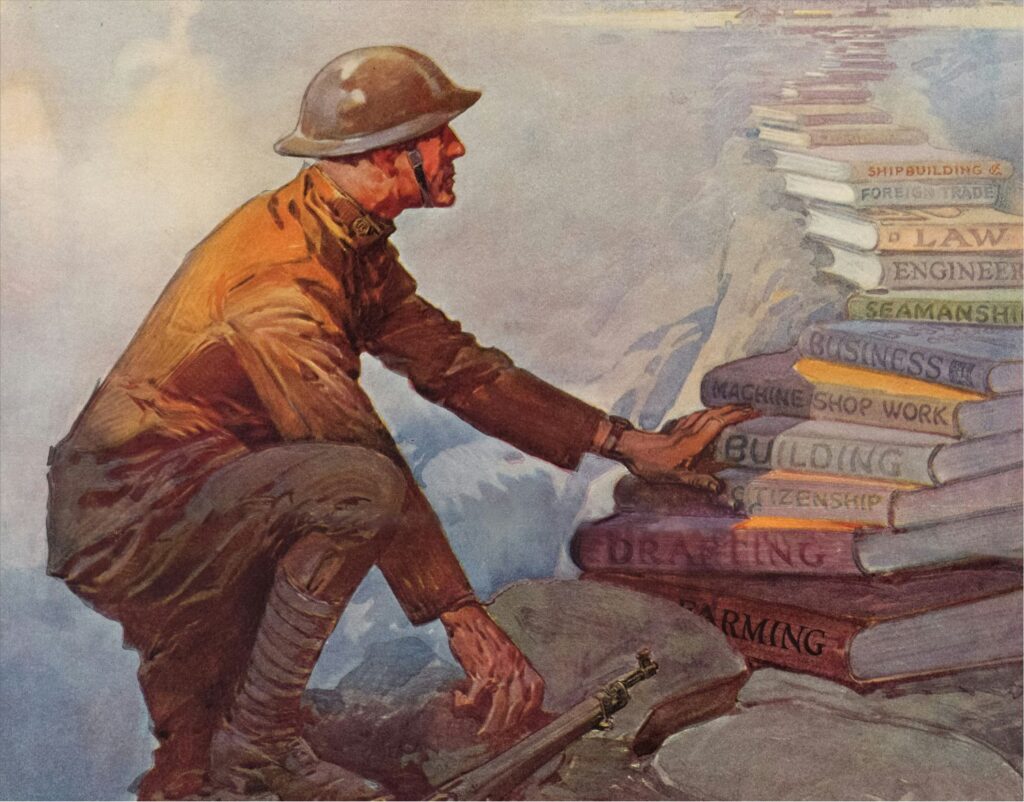
Typography plays a significant role in the charm of vintage posters. Hand-lettered fonts and custom typefaces were commonly used, adding personality and uniqueness to each design. The lettering was often integrated seamlessly into the artwork, becoming part of the overall composition rather than a separate element. This careful attention to typography has influenced modern graphic design, where vintage-inspired fonts are still widely used.
Today, vintage posters are highly sought after by collectors, interior designers, and art enthusiasts. Original prints can be rare and valuable, while reproductions allow wider appreciation of classic designs. Vintage posters are often displayed in homes, cafes, offices, and galleries, adding character and nostalgia to modern spaces. Their timeless appeal lies in their ability to blend art, storytelling, and history into a single visual piece.
The influence of vintage posters extends strongly into contemporary design. Many modern advertisements, movie posters, and branding projects draw inspiration from vintage aesthetics, using retro color schemes, illustrations, and typography. This revival shows how classic design principles remain relevant and powerful even in a fast-paced digital world.
In conclusion, vintage posters are more than decorative artworks; they are cultural treasures that preserve history, creativity, and visual storytelling. Their bold designs, artistic craftsmanship, and historical significance continue to captivate audiences across generations. By appreciating vintage posters, we celebrate the enduring power of art to communicate, inspire, and connect us with the past.