



In the age of digital media, video editing has become one of the most influential creative skills. Whether used in filmmaking, social media, advertising, education, or entertainment, video editing plays a crucial role in shaping the way visual stories are told. It is the process of selecting, rearranging, and enhancing video footage to produce a polished and meaningful final product. What the audience sees smooth transitions, dramatic moments, emotional music, and cinematic effects is the result of a video editor’s vision and technical skill.
Video editing is more than cutting and joining clips; it’s an art of storytelling. A raw video can be long, unstructured, or uninteresting, but with the right editing, it becomes powerful and engaging. Editors work with pace, timing, sound, and visuals to evoke emotions. For example, suspense can be built through quick cuts and dark sound effects, while sentimental scenes often use soft music and slow motion. These choices determine how the audience feels and how deeply they connect with the content.
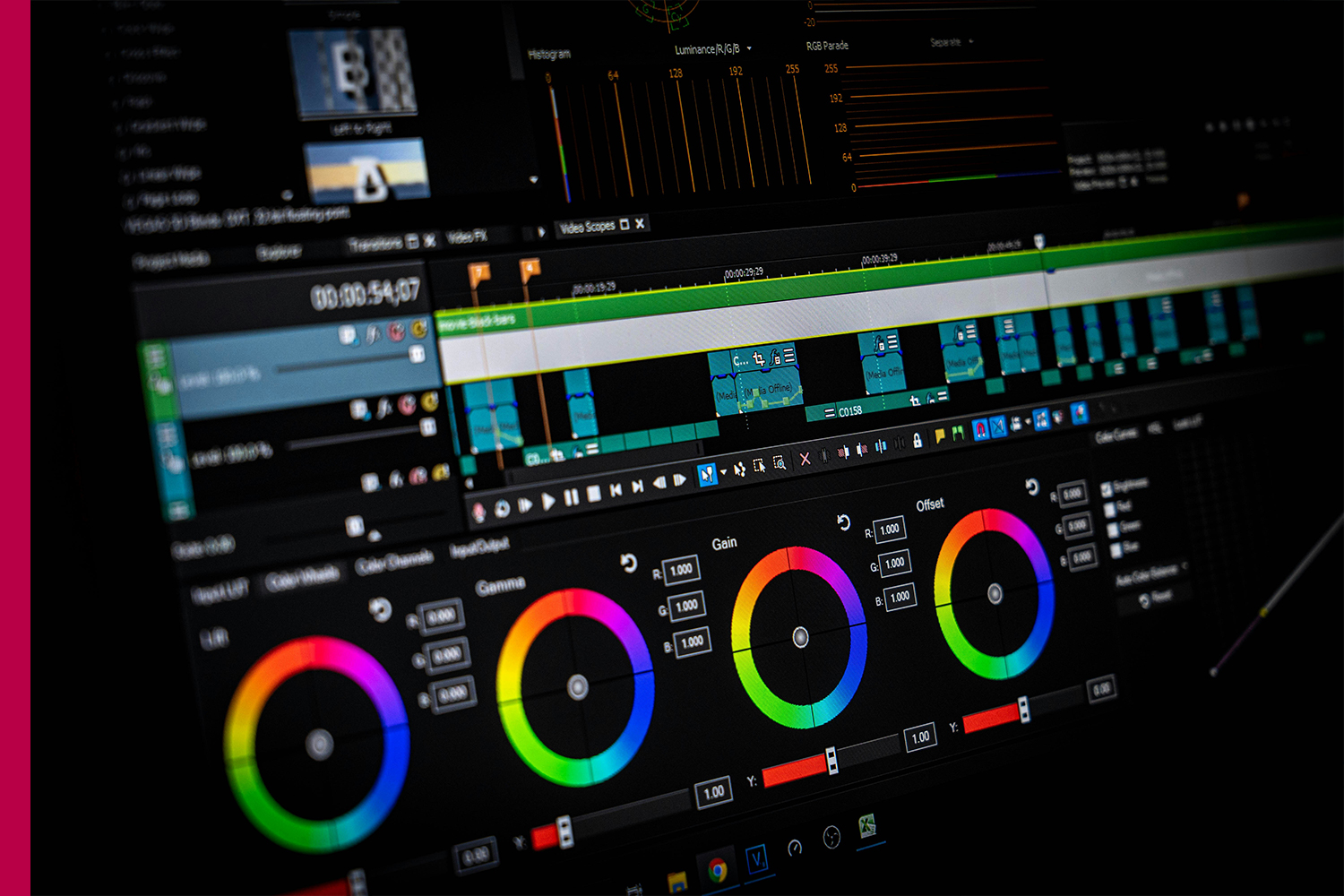
Modern video editing tools have opened up endless creative possibilities. Software like Adobe Premiere Pro, Final Cut Pro, DaVinci Resolve, and mobile apps like CapCut make it possible for both professionals and beginners to produce stunning videos. These tools allow editors to add transitions, filters, voiceovers, soundtracks, subtitles, and special effects. Color correction and color grading can transform the tone of footage by making images warmer, cooler, brighter, or more cinematic. Motion graphics and visual effects further enhance the visual appeal, making even simple videos look dynamic and professional.
The rise of social media has dramatically increased the demand for video editing. Platforms like YouTube, Instagram, TikTok, and Facebook rely heavily on video content because it grabs attention quickly and improves engagement. Businesses and influencers now use short-form videos, vlogs, tutorials, and promotional reels to reach their audience. Viewers decide within seconds whether to continue watching or scroll away, which is why good editing is essential. Clean cuts, catchy music, subtitles, and immersive visuals help content stand out in the crowded digital space.

In filmmaking and entertainment, video editing is equally important. After scenes are shot, it is the editor who brings the director’s vision to life. They choose the best takes, adjust pacing, sync audio, and add visual effects. Many iconic movie scenes are memorable not only because of acting or storyline but because of editing choices that intensify emotion and build drama.
Video editing also teaches valuable skills like patience, creativity, attention to detail, and problem solving. Editing can be time-consuming—hours of work may go into just a few minutes of final footage. But the satisfaction of transforming raw clips into a visually compelling video makes the process rewarding.
As technology continues to evolve, the future of video editing looks even more exciting. Artificial intelligence tools are beginning to assist with tasks like color correction, clipping, and sound editing, allowing creators to work faster and smarter. Virtual reality and 3D editing are opening new dimensions for immersive storytelling.
Ultimately, video editing is the backbone of modern visual communication. It turns moments into memories, ideas into messages, and content into impactful experiences. Whether for entertainment, education, marketing, or creativity, video editing gives life to stories—and stories have the power to inspire the world.