




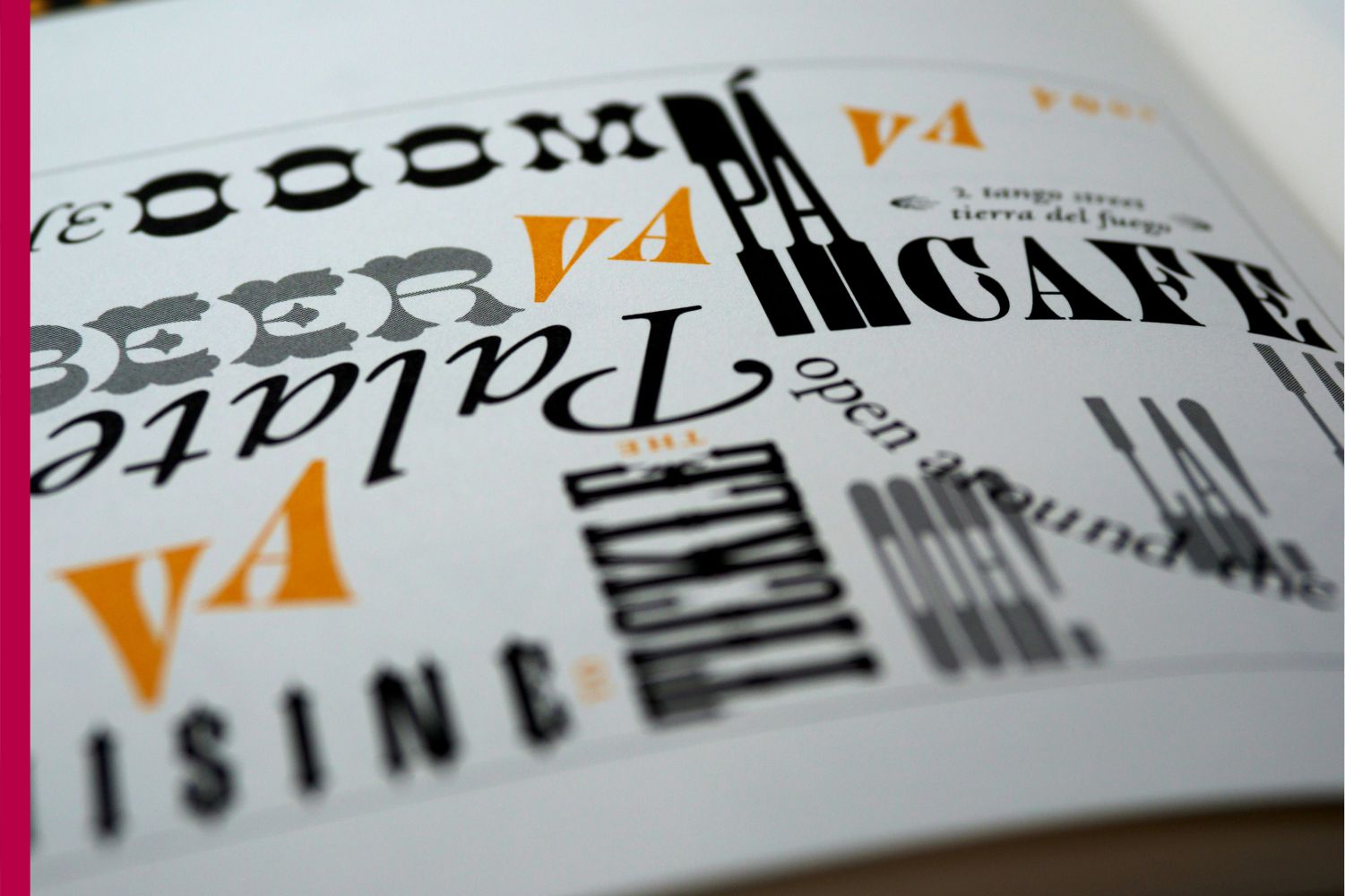
Typography is the art and technique of arranging letters to make written language readable, appealing, and effective. Its evolution reflects the broader development of human communication, culture, and technology. From carved symbols on stone to dynamic digital fonts on screens, typography has continuously adapted to the needs of society while shaping how information is perceived and understood.
The roots of typography can be traced back to ancient civilizations that developed early writing systems. Egyptians used hieroglyphs carved into stone and written on papyrus, while Mesopotamians used cuneiform on clay tablets. These early scripts were not typography in the modern sense, but they laid the foundation for letterforms and structured writing. Over time, alphabets emerged, such as Greek and Latin, which introduced more standardized and repeatable characters.
A major turning point in typography occurred with the invention of movable type printing in the 15th century. Johannes Gutenberg’s printing press revolutionized communication by allowing books to be produced in large quantities. Early typefaces were inspired by handwritten manuscripts, featuring blackletter and serif styles that reflected the calligraphy of the time. This innovation made knowledge more accessible and played a key role in spreading education and ideas.
As printing technology advanced, typography evolved in style and purpose. During the Renaissance, typefaces became more refined and readable, with improved proportions and spacing. Serif fonts gained popularity due to their elegance and clarity in long texts. The Industrial Revolution brought new demands for advertising and mass communication, leading to bold, decorative, and display typefaces designed to capture attention.
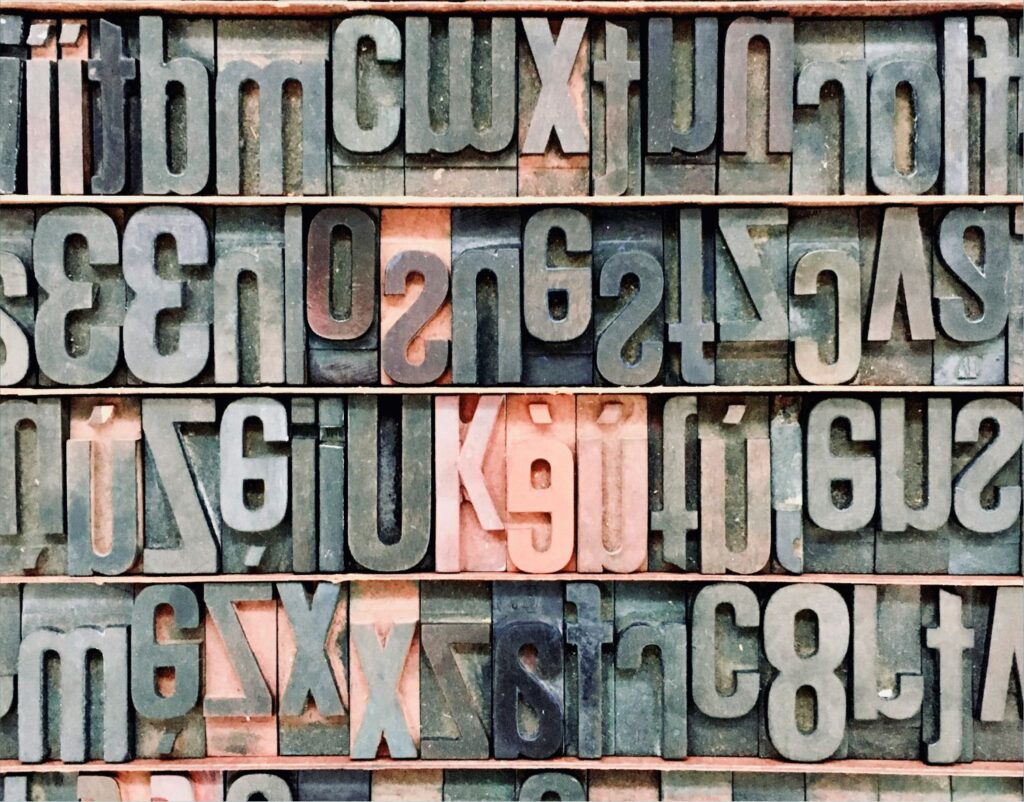
The 20th century marked a dramatic shift in typography with the rise of modernism. Designers embraced simplicity, functionality, and clarity. Sans-serif fonts gained prominence, reflecting a move away from ornamentation toward clean and efficient design. Typography became a central element of graphic design, influencing branding, posters, and publications. Experimental typography also emerged, challenging traditional layouts and encouraging creative expression.
The digital age transformed typography once again. With computers and design software, type design became more accessible and flexible. Digital fonts allowed designers to experiment with size, weight, color, and layout in ways that were not possible with traditional printing. The rise of the internet introduced new challenges, such as screen readability and responsive design, leading to the creation of web-optimized typefaces.
Today, typography is more dynamic than ever. Variable fonts, motion typography, and custom typefaces allow brands and creators to communicate identity and emotion effectively. Typography now plays a crucial role in user experience design, influencing how people interact with websites, apps, and digital platforms. Good typography enhances clarity, usability, and visual appeal.
In conclusion, the evolution of typography reflects humanity’s ongoing quest to communicate better and more creatively. Each stage of its development has been shaped by cultural, technological, and artistic influences. From ancient scripts to digital innovation, typography continues to evolve, remaining a powerful tool that shapes how we read, understand, and connect with the world.