

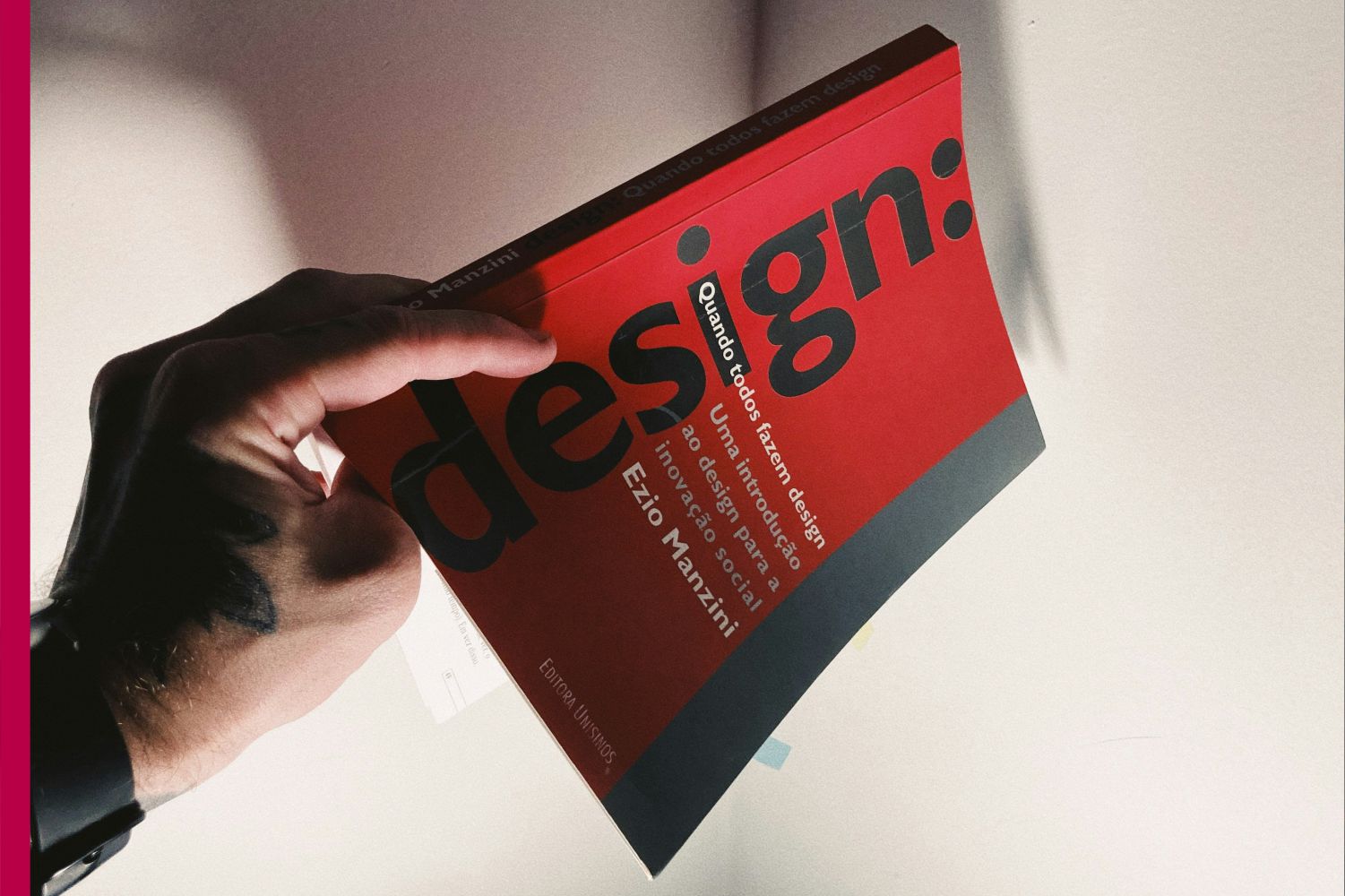

Theme plays a vital role in design, acting as the foundation that connects all visual and conceptual elements into a unified whole. Whether in graphic design, interior design, web design, fashion, or branding, a clear theme gives direction, purpose, and identity to a project. Without a defined theme, designs can feel scattered or confusing, lacking the emotional and visual impact needed to engage the audience.
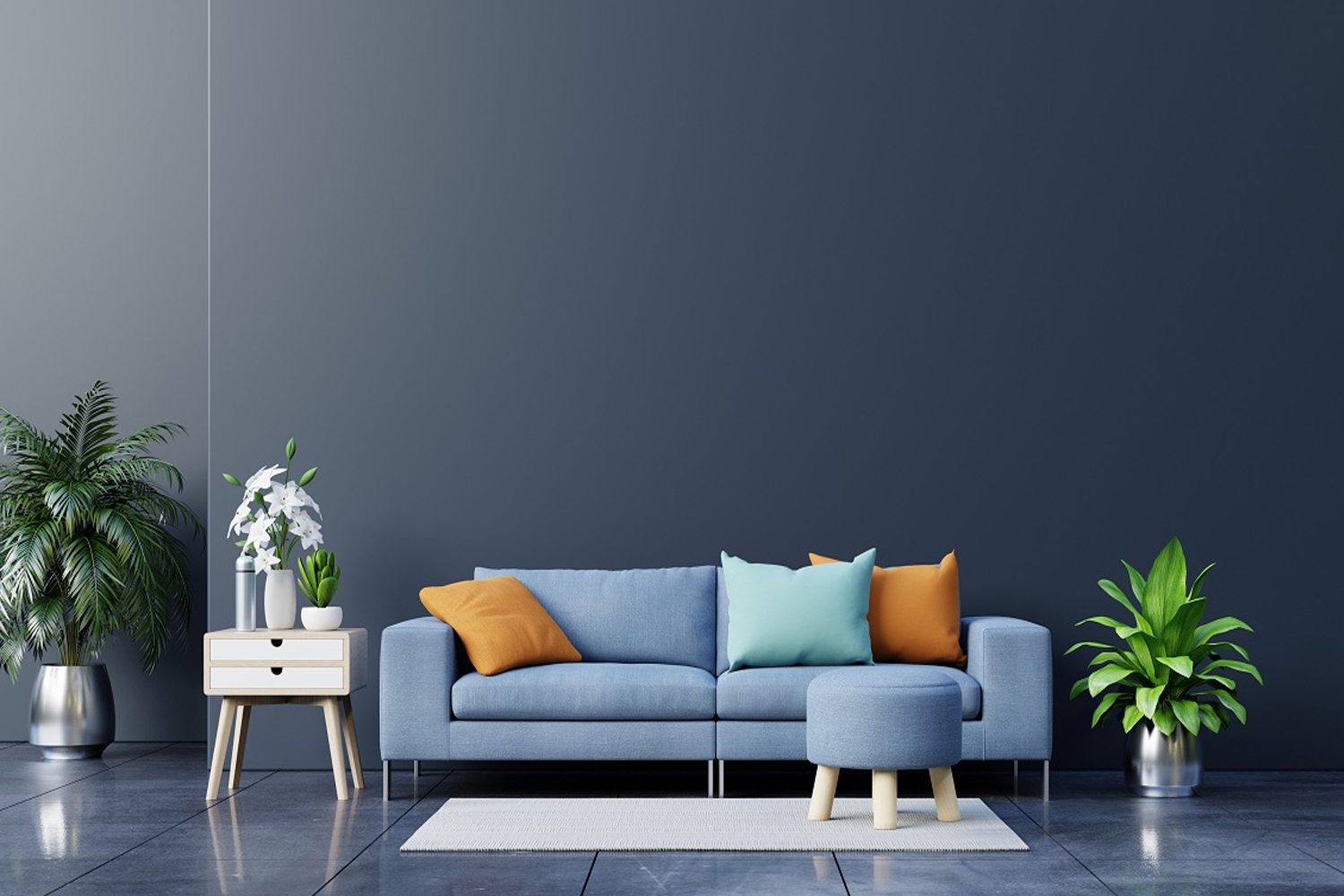
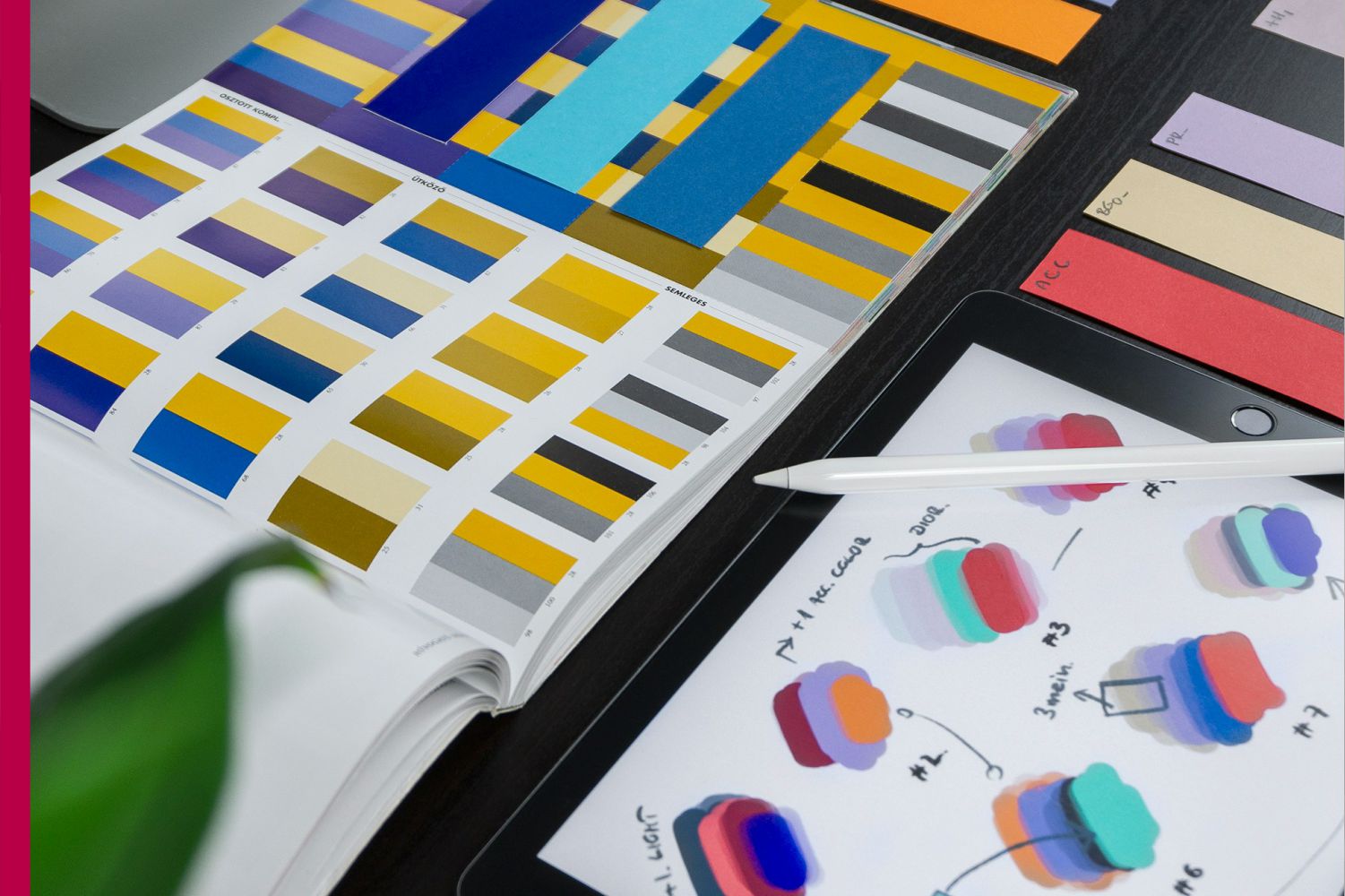
At its core, a design theme is the central idea or concept that guides choices related to color, typography, layout, imagery, and tone. It reflects the message the designer wants to communicate and the feeling they want to evoke. For example, a minimalist theme focuses on simplicity, clean lines, and neutral colors, while a vintage theme may use textured backgrounds, classic fonts, and warm tones to create a nostalgic atmosphere. The theme ensures that every element supports the same story.
One of the most important benefits of using a strong theme in design is consistency. Consistency builds recognition and trust, especially in branding and digital platforms. When users encounter the same visual language across a website, social media, packaging, or advertisements, it reinforces the brand’s identity. A consistent theme helps audiences quickly understand what a brand or product stands for, making it more memorable and credible.
Themes in design are also powerful tools for emotional connection. Colors, shapes, and visual styles influence how people feel and respond. A playful theme with bright colors and rounded shapes can create a sense of joy and friendliness, while a dark, bold theme may convey luxury, seriousness, or authority. By carefully selecting a theme that aligns with the target audience, designers can shape perceptions and guide user experience more effectively.
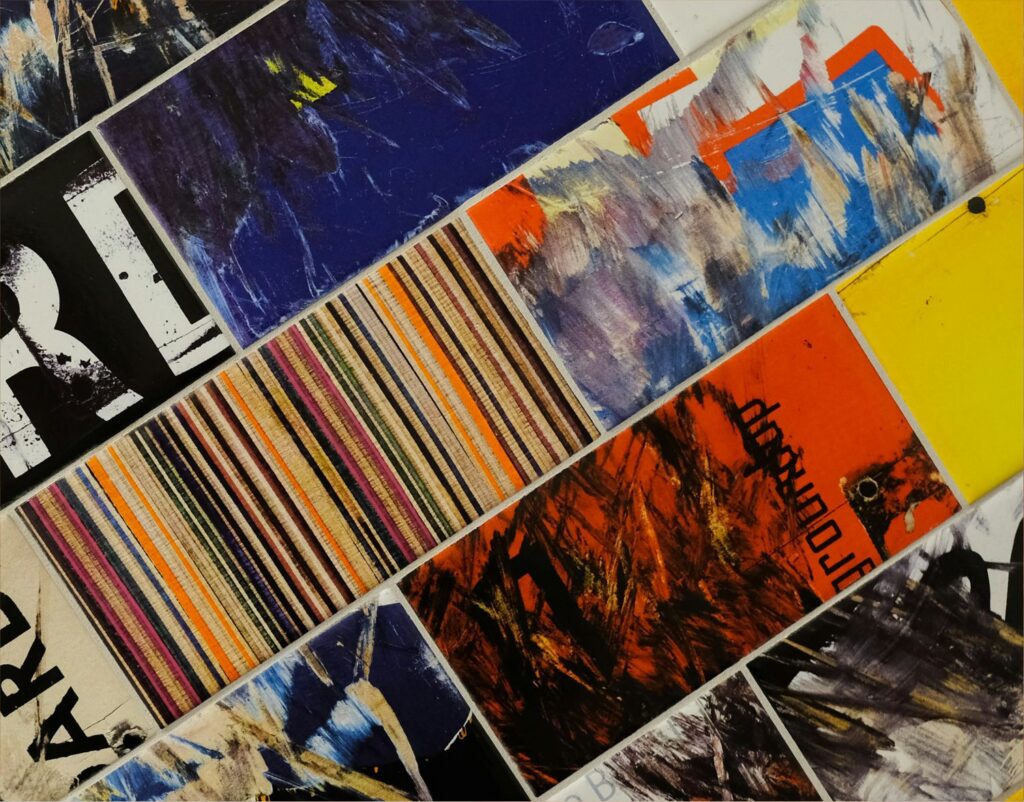
In digital and web design, themes play an essential role in usability. A well-defined theme improves navigation, readability, and overall user flow. For example, a clean and modern theme often emphasizes white space and clear typography, making content easier to consume. When the theme supports functionality, it enhances both aesthetics and performance, ensuring users stay engaged rather than overwhelmed.
Themes also provide creative focus. Instead of limitless choices, designers work within a defined framework, which often leads to more thoughtful and innovative results. Constraints created by a theme can inspire creativity by encouraging designers to explore unique ways to express a concept while staying aligned with the overall vision. This balance between freedom and structure is what makes strong design stand out.
As trends change, themes in design continue to evolve. Sustainable design themes now emphasize eco-friendly materials and natural colors. Tech-inspired themes highlight futuristic visuals and motion effects. Cultural and local themes celebrate heritage, patterns, and storytelling. Despite these shifts, the core purpose of a theme remains the same to create clarity and meaning.
In conclusion, theme in design is not just about visual style; it is about intention and communication. A well-chosen theme brings harmony, strengthens identity, and enhances emotional impact. By grounding creative decisions in a clear theme, designers create experiences that are not only visually appealing but also purposeful and memorable.