




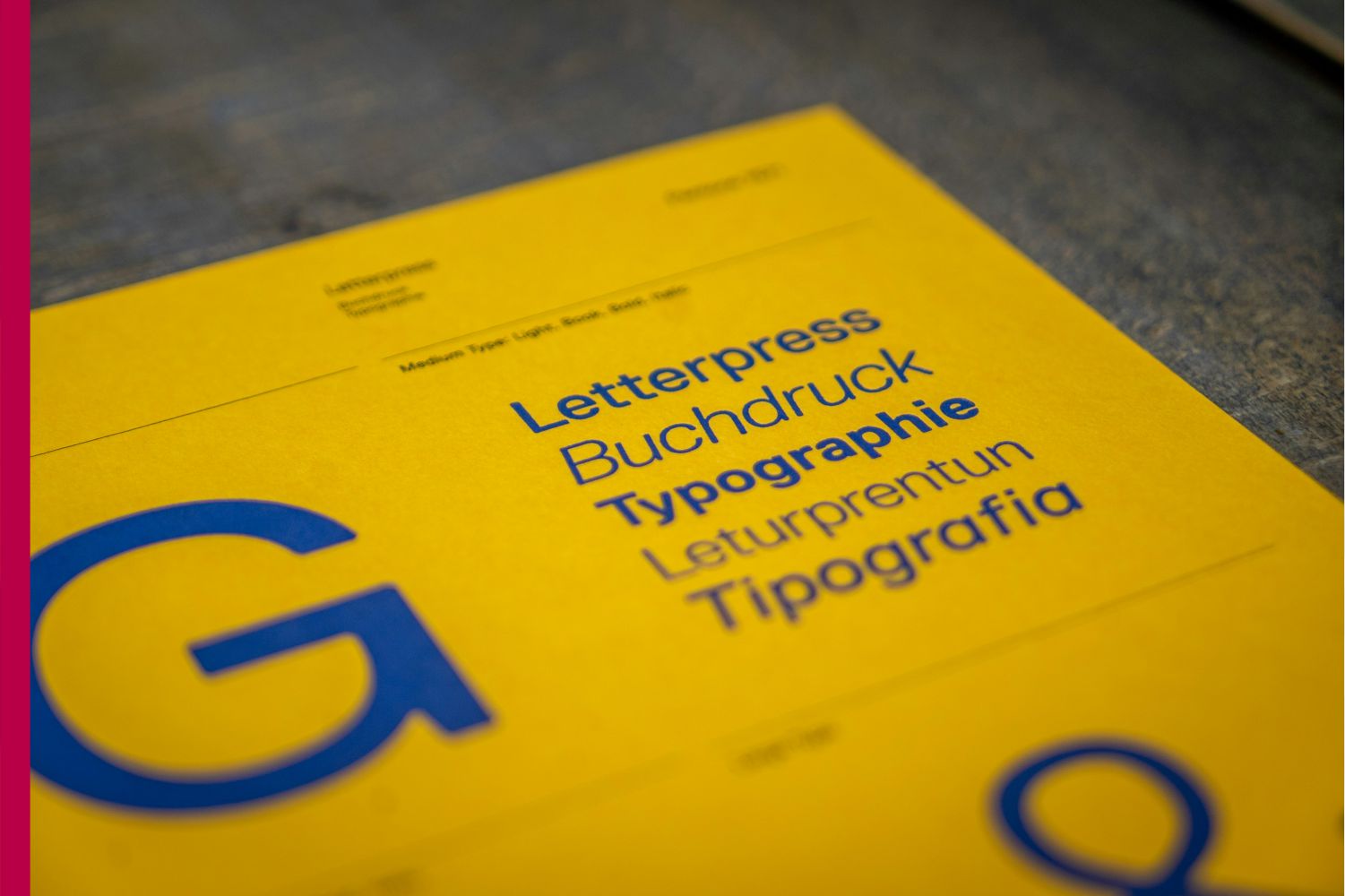
Typography plays a crucial role in shaping a brand’s identity, influencing how it is perceived, remembered, and trusted by its audience. While logos, colors, and imagery are often highlighted in branding, typography is the subtle yet powerful element that communicates tone, personality, and consistency. From websites and advertisements to packaging and social media, the choice of fonts and text styles can significantly impact a brand’s success.
At its core, typography is more than just selecting a font. It involves the strategic use of typefaces, spacing, size, alignment, and hierarchy to create a visual language. This language helps convey the brand’s message clearly and effectively. For instance, a luxury brand may use elegant serif fonts to communicate sophistication and exclusivity, while a tech startup might opt for clean, modern sans-serif fonts to reflect innovation and simplicity.
Consistency in typography is essential for building a strong brand identity. When a brand uses the same fonts and styles across all platforms, it creates a cohesive and recognizable image. This consistency helps customers easily identify the brand, whether they encounter it online, in print, or in physical spaces. Over time, this familiarity builds trust and reinforces brand recall.
Typography also plays a key role in establishing emotional connections with the audience. Different fonts evoke different feelings and associations. Bold and heavy fonts can convey strength and confidence, while handwritten or script fonts may evoke creativity and warmth. By carefully selecting typography that aligns with brand values, businesses can communicate their personality without relying solely on words.
Readability and accessibility are equally important aspects of typography in branding. No matter how visually appealing a font may be, it must be easy to read across different devices and formats. Poor typography can confuse or frustrate users, leading to a negative brand experience. Clear and legible text ensures that the brand’s message is understood and appreciated by a wider audience.
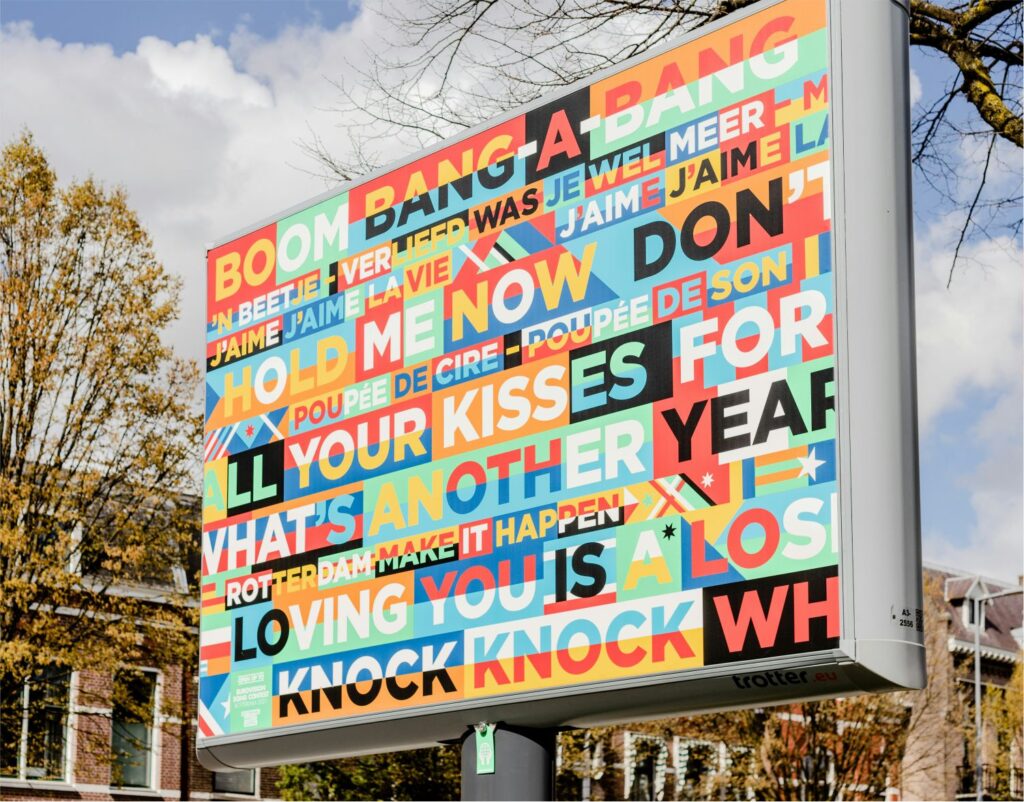
In the digital age, typography has become even more significant. Websites, mobile apps, and social media platforms rely heavily on text-based communication. Responsive typography that adapts to different screen sizes enhances user experience and engagement. Brands that invest in well-designed typography can create visually appealing and user-friendly digital interfaces.
Typography also contributes to differentiation in a competitive market. With countless brands competing for attention, unique and well-crafted typography can help a brand stand out. Custom fonts or distinctive typographic styles can become a signature element, making the brand instantly recognizable. This uniqueness adds value and strengthens the overall brand identity.
Moreover, typography supports storytelling. It helps guide the reader’s eye, emphasize key information, and create a visual flow. Headlines, subheadings, and body text work together to deliver content in a structured and engaging manner. Effective typography ensures that the brand’s story is communicated clearly and memorably.
In conclusion, typography is a fundamental component of brand identity that goes beyond aesthetics. It influences perception, enhances communication, and builds emotional connections with the audience. By maintaining consistency, prioritizing readability, and aligning typography with brand values, businesses can create a strong and lasting impression. In a world driven by visual communication, effective typography is a key factor in achieving brand identity success.