




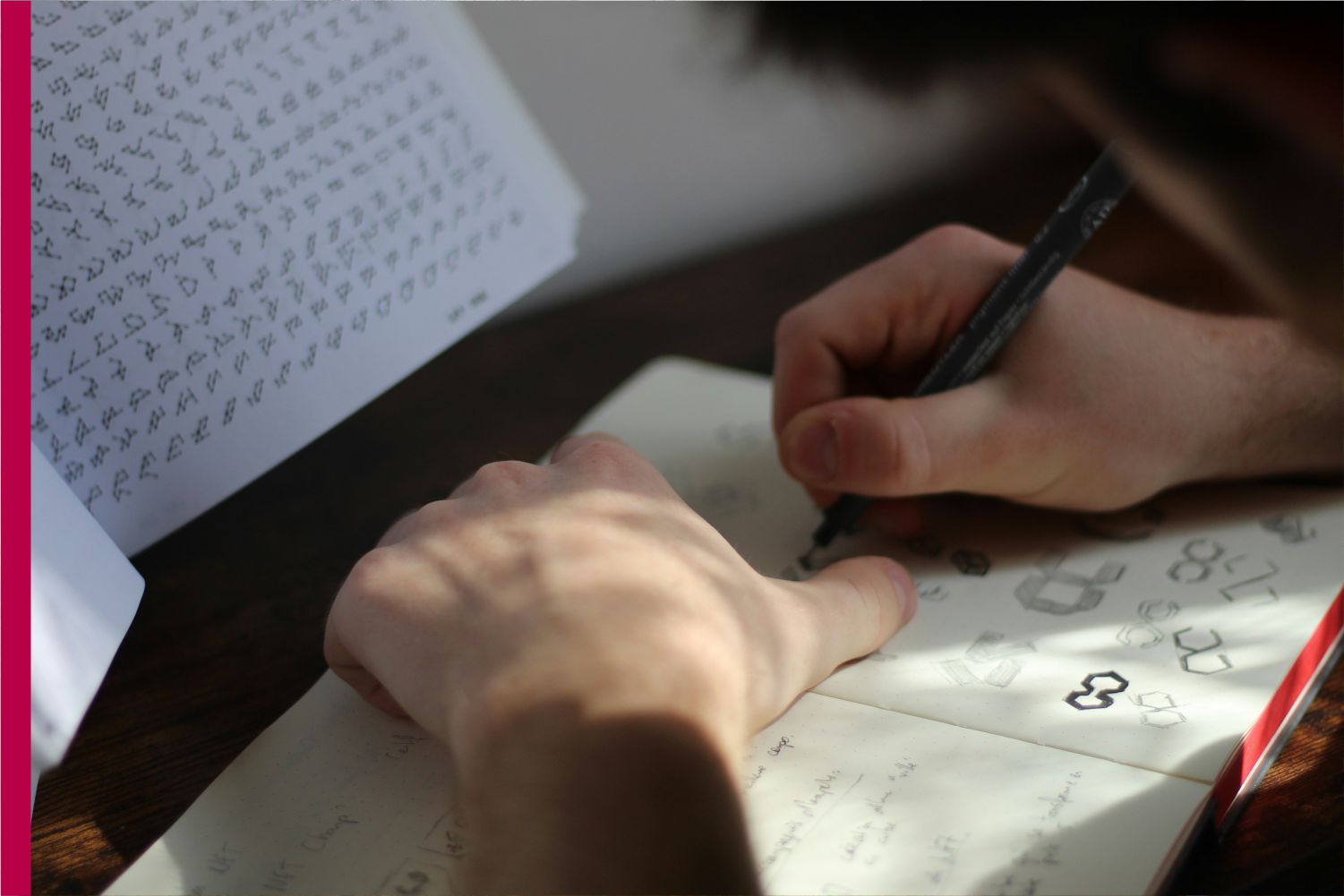
A logo artist plays one of the most important roles in shaping a brand’s identity. In today’s competitive world, where businesses strive to stand out, a logo acts as the first impression—a symbol that captures the essence of a company in a single visual form. Behind every memorable logo lies the skill, creativity, and strategic thinking of a logo artist, whose work combines artistry with communication. Their job goes far beyond drawing; it involves understanding people, ideas, emotions, and the message a brand wants to convey.
A logo artist’s creative journey begins with research. Before sketching any design, the artist spends time learning about the brand its mission, values, audience, and personality. A logo meant for a playful children’s brand will look entirely different from that of a luxury clothing label or a tech company. This research phase ensures that the final design is meaningful and aligned with the brand’s identity. A good logo artist knows that every shape, color, and line must be intentional.
One of the biggest strengths of a logo artist is their ability to simplify complex ideas. A logo needs to be clear, scalable, and instantly recognizable, whether it appears on a billboard, a business card, or a smartphone screen. Achieving this requires creativity and strong design principles. A logo must be simple enough to remember, yet unique enough to stand out. Striking that balance is a skill developed through practice, experience, and an eye for detail.
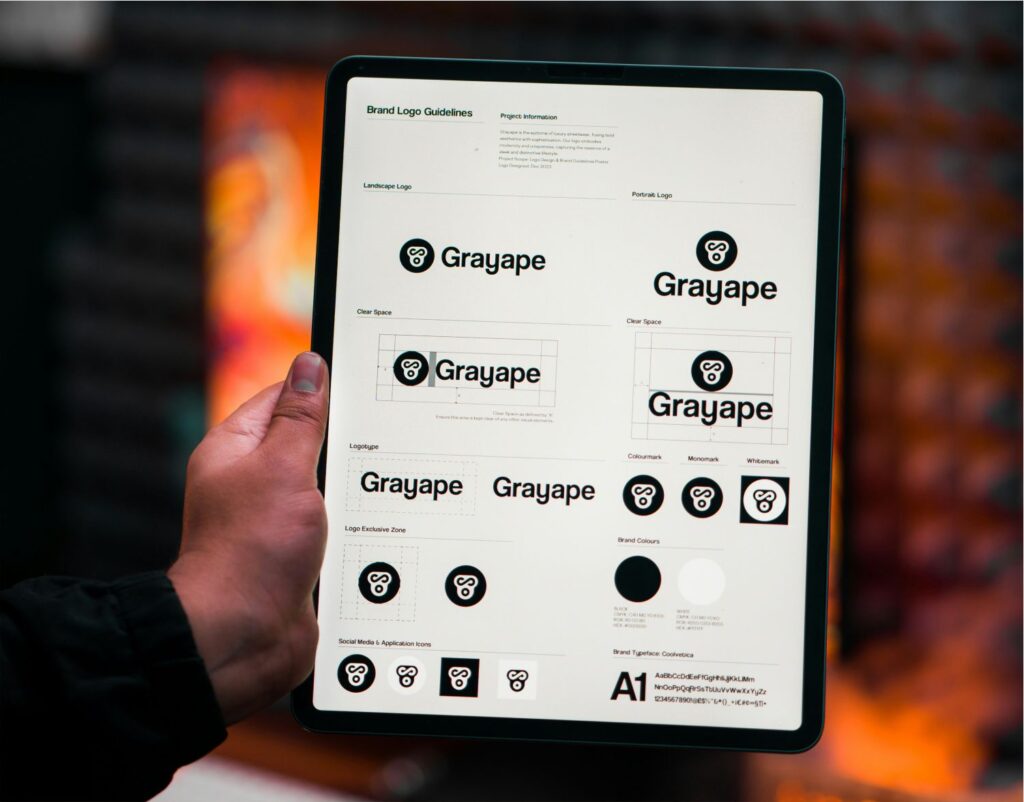
Color choice plays a crucial role in logo design. Logo artists understand color psychology and use it strategically. For example, blue evokes trust and professionalism, making it common among tech and finance companies. Red signals energy and passion, while green is often associated with nature and health. The right color palette can deeply influence how people perceive a brand. Similarly, typography is another important element. Whether it’s bold, elegant, playful, or modern, the font style communicates the brand’s tone even before the words are read.
In the modern digital era, logo artists rely on design software such as Adobe Illustrator, CorelDRAW, or vector-based tools that help them create precise and scalable designs. However, many artists still begin with hand-drawn sketches to experiment freely and explore creative ideas. The combination of traditional drawing and digital tools allows for endless possibilities in design.
Feedback and revision are also essential parts of a logo artist’s job. Creating the perfect logo often requires multiple drafts and improvements. The artist collaborates with clients, listens to their input, and refines the logo until it fully represents the brand. This process highlights the importance of communication and adaptability in the profession.
Ultimately, logo artists contribute significantly to the success of a brand. Their designs become symbols that represent businesses for years sometimes even decades. Logos like Apple, Nike, and McDonald’s prove how a simple design can become iconic worldwide. A logo artist has the unique ability to shape identity, evoke emotion, and create lasting recognition through a single visual mark. In a world driven by visual communication, the role of a logo artist remains essential, creative, and deeply impactful.