




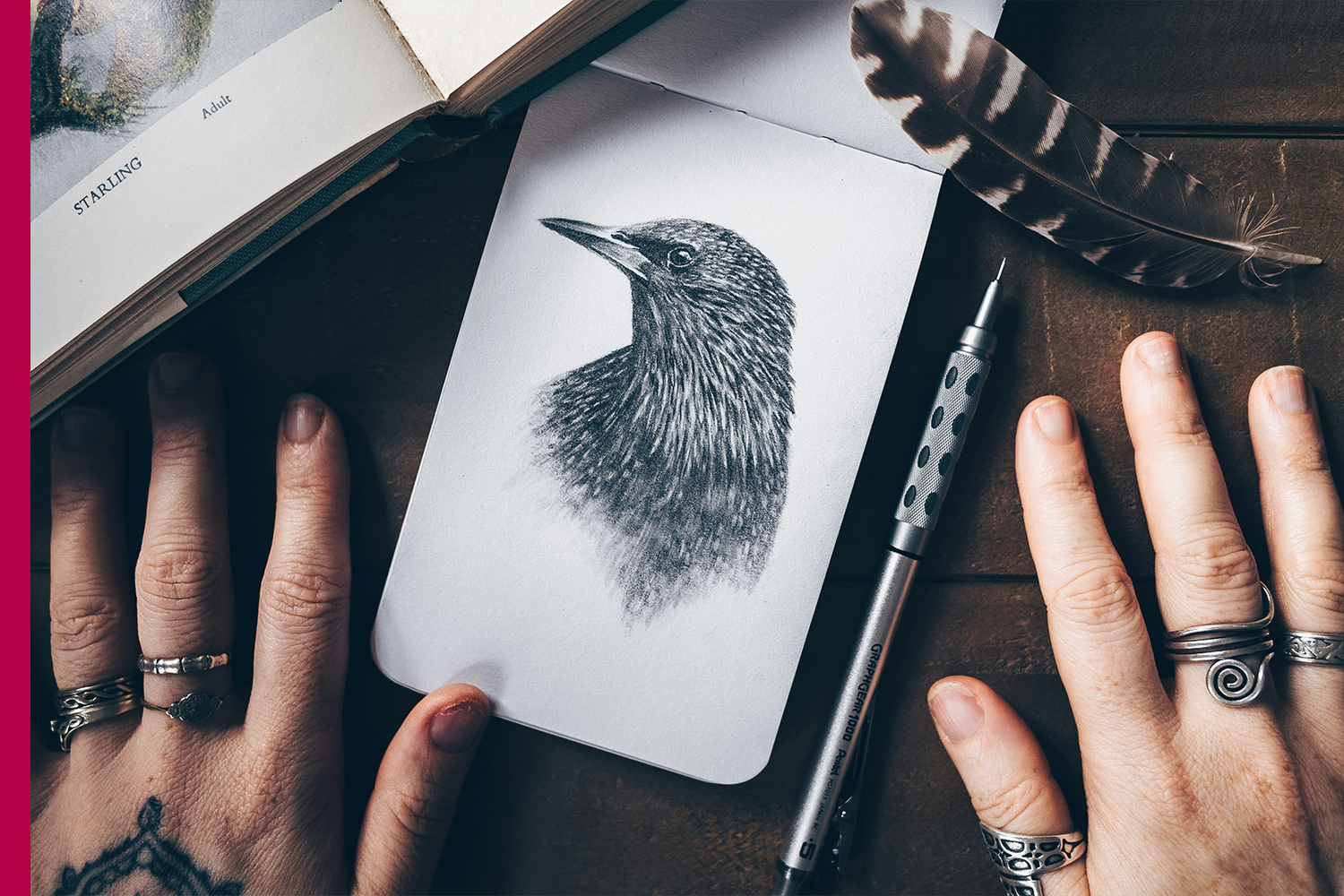
A pencil may seem like a simple tool, but in the hands of a skilled artist, it becomes a powerful instrument capable of creating emotion, depth, and breathtaking detail. Pencil artists have a unique ability to transform basic graphite into lifelike portraits, landscapes, abstract designs, and imaginative concepts. Their art showcases patience, precision, and creativity proving that even the most modest medium can produce extraordinary masterpieces.
Pencil art, often called graphite drawing, is one of the oldest and most accessible forms of artistic expression. What makes it special is the versatility and control it offers. Artists can create soft gradients, sharp lines, delicate textures, or bold shading, all with a simple shift of pressure or technique. From hyper-realistic portraits that resemble photographs to loose sketch-style drawings full of movement, pencil art allows endless possibilities for creativity.
One of the most impressive aspects of a pencil artist’s craft is their mastery of shading and light. Graphite is ideal for capturing depth and dimension. Through techniques like hatching, cross-hatching, blending, and stippling, artists create realistic shadows, highlights, and three-dimensional forms. This ability to manipulate light transforms a plain sheet of paper into a vivid scene or expressive face. The subtle transition between tones is what gives pencil art its signature elegance.
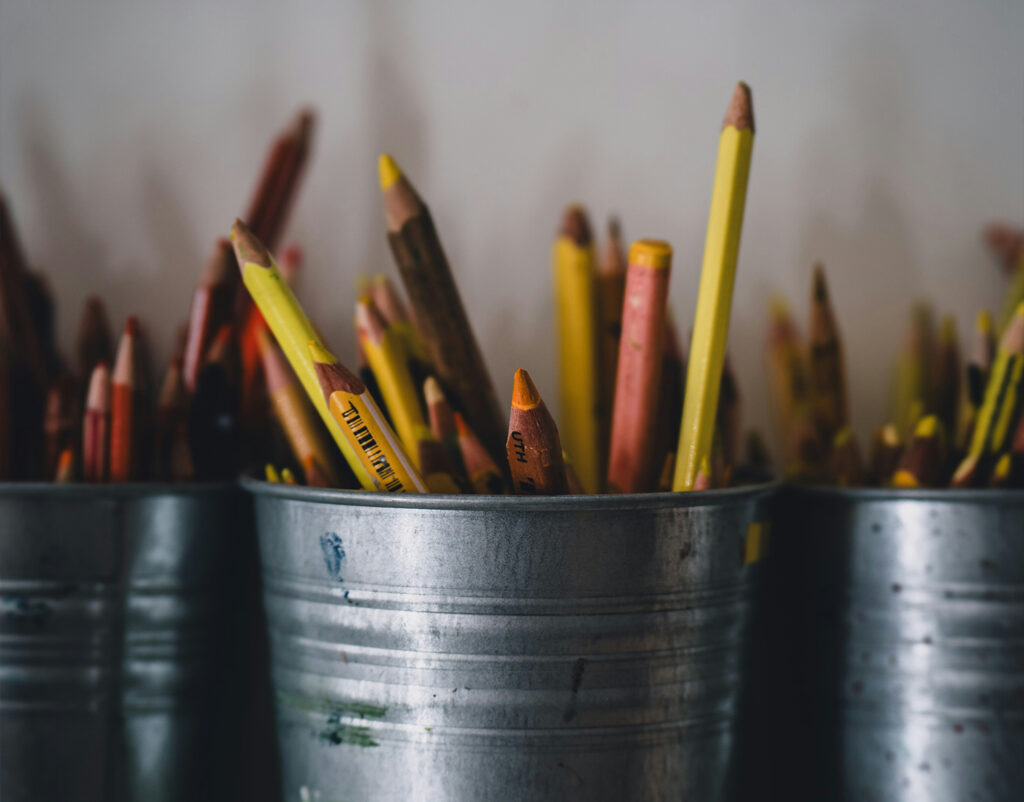
Pencil artists also excel at attention to detail. Whether it’s the texture of skin, the glimmer in an eye, or the folds of fabric, achieving realism demands hours of patience and focus. While digital art and modern tools offer shortcuts, traditional pencil drawing requires manual precision and a deep understanding of observation. Many artists spend years practicing to refine their accuracy and develop their own style.
Another strength of pencil art is its accessibility. Unlike other mediums that require expensive materials or specialized setups, pencil drawing can be practiced anywhere — at home, outdoors, or in a studio. All one needs is a pencil, a sketchbook, and creativity. This simplicity encourages beginners to experiment while giving professionals the freedom to produce museum-worthy artworks with minimal tools. Many young artists begin their creative journey with pencil drawings, using it as a foundation before exploring other art forms.
In recent years, pencil art has gained widespread appreciation through social media. Platforms like Instagram, YouTube, and TikTok have allowed pencil artists to showcase their process, share tutorials, and connect with global audiences. This has led to increased recognition for traditional artists in a digitally dominated world. Commissions for portrait drawings, custom sketches, and personalized art pieces are also in high demand, turning pencil art into a flourishing profession.
Beyond technical skill, pencil art carries a unique emotional quality. The monochromatic tones create a sense of nostalgia, intimacy, and focus. Without the distraction of color, viewers can appreciate the raw expressions, textures, and emotions captured in each stroke.
In conclusion, pencil artists are storytellers who use the simplicity of graphite to create powerful visual narratives. Their dedication, skill, and creativity show that remarkable art doesn’t depend on complex tools it comes from the heart and the hands of the artist. Whether for hobby, passion, or profession, pencil drawing remains a timeless and cherished form of artistic expression that continues to inspire people across generations.