




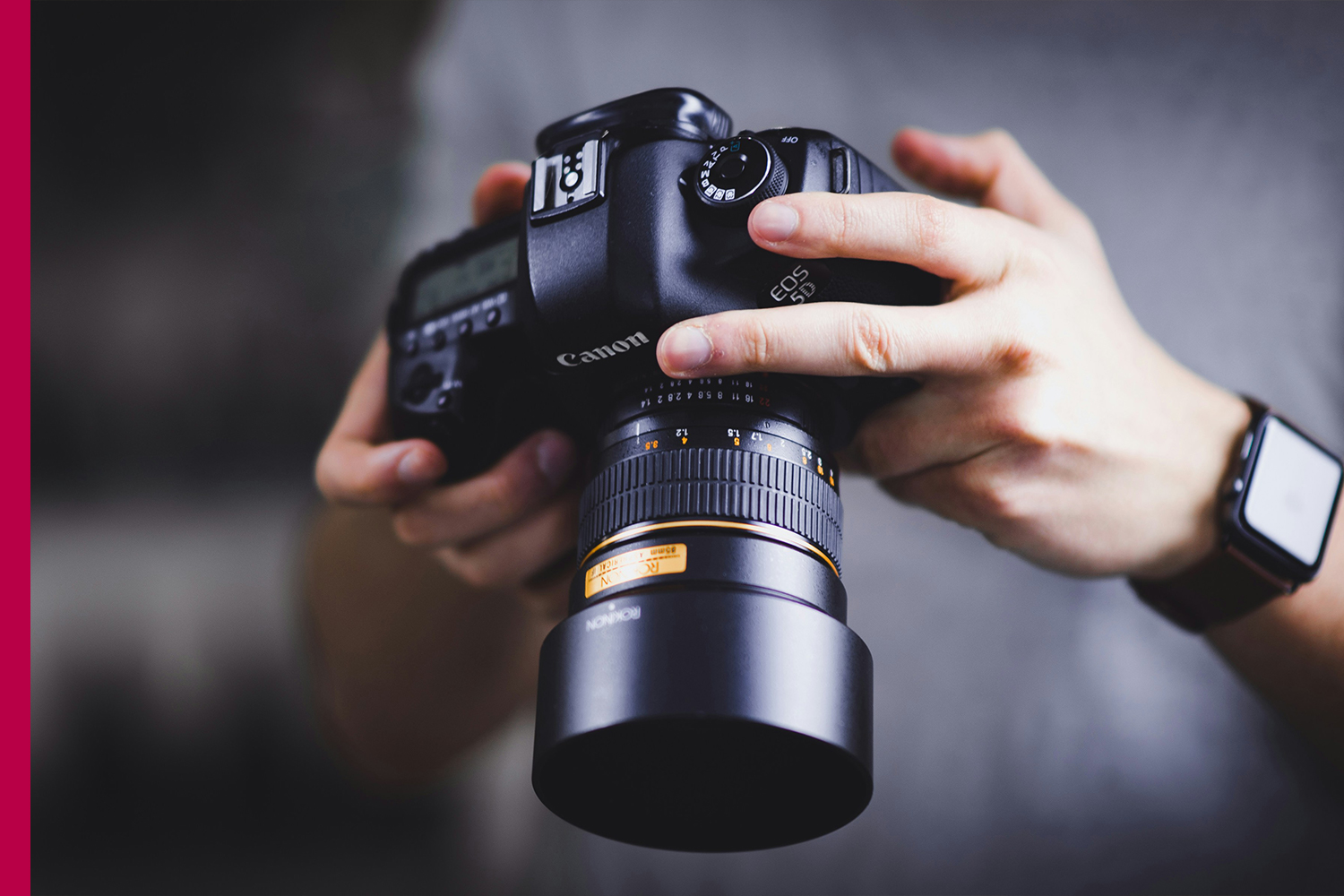
Photography is more than the act of taking pictures it is a powerful art form that freezes moments, tells stories, and captures emotions that words often struggle to express. From its early beginnings with bulky cameras and black-and-white film to today’s advanced digital technology and smartphone lenses, photography has transformed the way we see, remember, and share the world.
At its heart, photography is about observation. A skilled photographer sees beauty in the ordinary a drop of rain on a window, sunlight hitting a street corner, or the subtle expression in someone’s eyes. Through the lens, everyday scenes become meaningful compositions. Photography encourages us to slow down and notice details that might otherwise go unnoticed, turning fleeting moments into lasting memories.
Modern photography has evolved into various genres, each with its unique purpose and charm. Portrait photography captures human expression and personality, creating timeless images that preserve emotion and identity. Landscape photography showcases the beauty of nature majestic mountains, calm oceans, vibrant sunsets—inviting viewers to appreciate the world’s natural wonders. Wildlife photography requires patience and passion, revealing the grace and drama of animals in their natural habitats. Street photography documents spontaneous moments in public spaces, capturing the energy, diversity, and stories that unfold in everyday life.
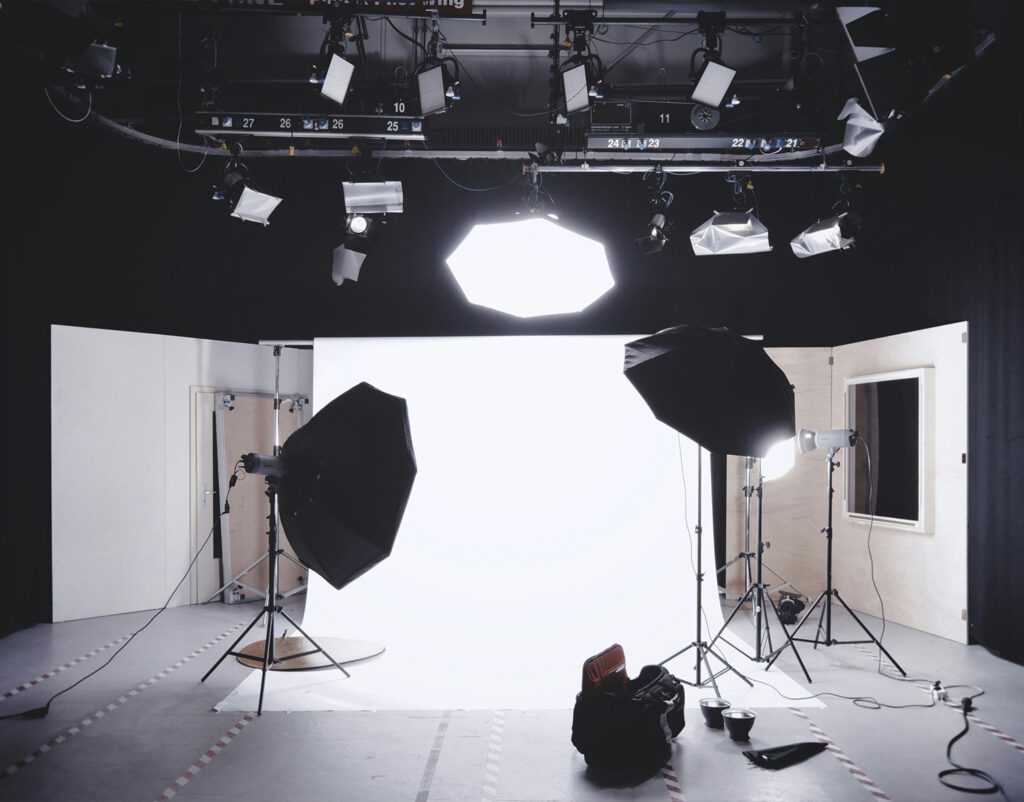
With advancements in technology, photography has become more accessible than ever. Smartphones now feature high-resolution cameras, AI enhancements, and editing tools that allow anyone to experiment creatively. Social media platforms like Instagram, Pinterest, and TikTok have turned photography into a global language, enabling people across cultures to share their perspectives instantly. This accessibility has democratized the art form, giving rise to countless new creators and styles.
Yet, true photography goes beyond technology. It involves understanding light, composition, framing, and timing. The way light falls on a subject, the angle of a shot, or the depth created by shadows can completely transform an image. Many photographers spend years mastering these elements, developing a personal style that distinguishes their work from others. Editing also plays a key role, allowing photographers to enhance colors, adjust tones, or refine details without losing the authenticity of the moment.
Photography is also an essential tool for storytelling. Photojournalists capture events that shape history, from political movements to natural disasters, giving the world a visual record of truth. Travel photographers introduce viewers to different cultures, landscapes, and lifestyles. Commercial photographers help brands bring their identity to life, while artistic photographers create images that evoke emotion, spark imagination, and challenge perspectives.
Beyond its creative value, photography has emotional power. A single photograph can trigger nostalgia, remind us of loved ones, or inspire hope. It preserves milestones—birthdays, weddings, achievements and holds memories that remain long after moments have passed. In many ways, photography is a time machine, allowing us to revisit places, people, and feelings again and again.
In a fast-changing world, photography remains a timeless form of expression. It connects people, documents reality, and celebrates beauty. Whether captured with a professional DSLR or a simple phone, every photograph has the potential to tell a story—and every story deserves to be seen.