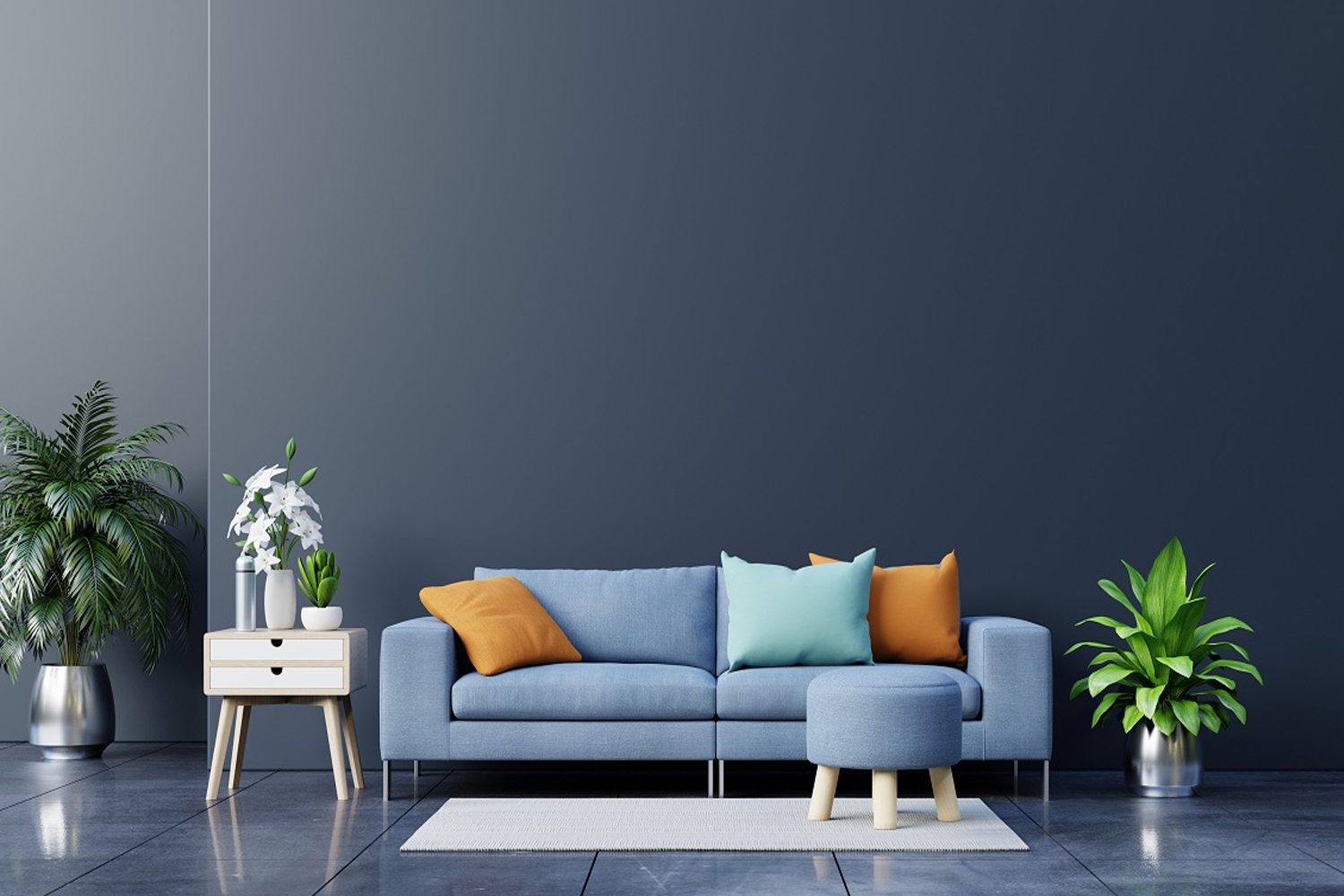


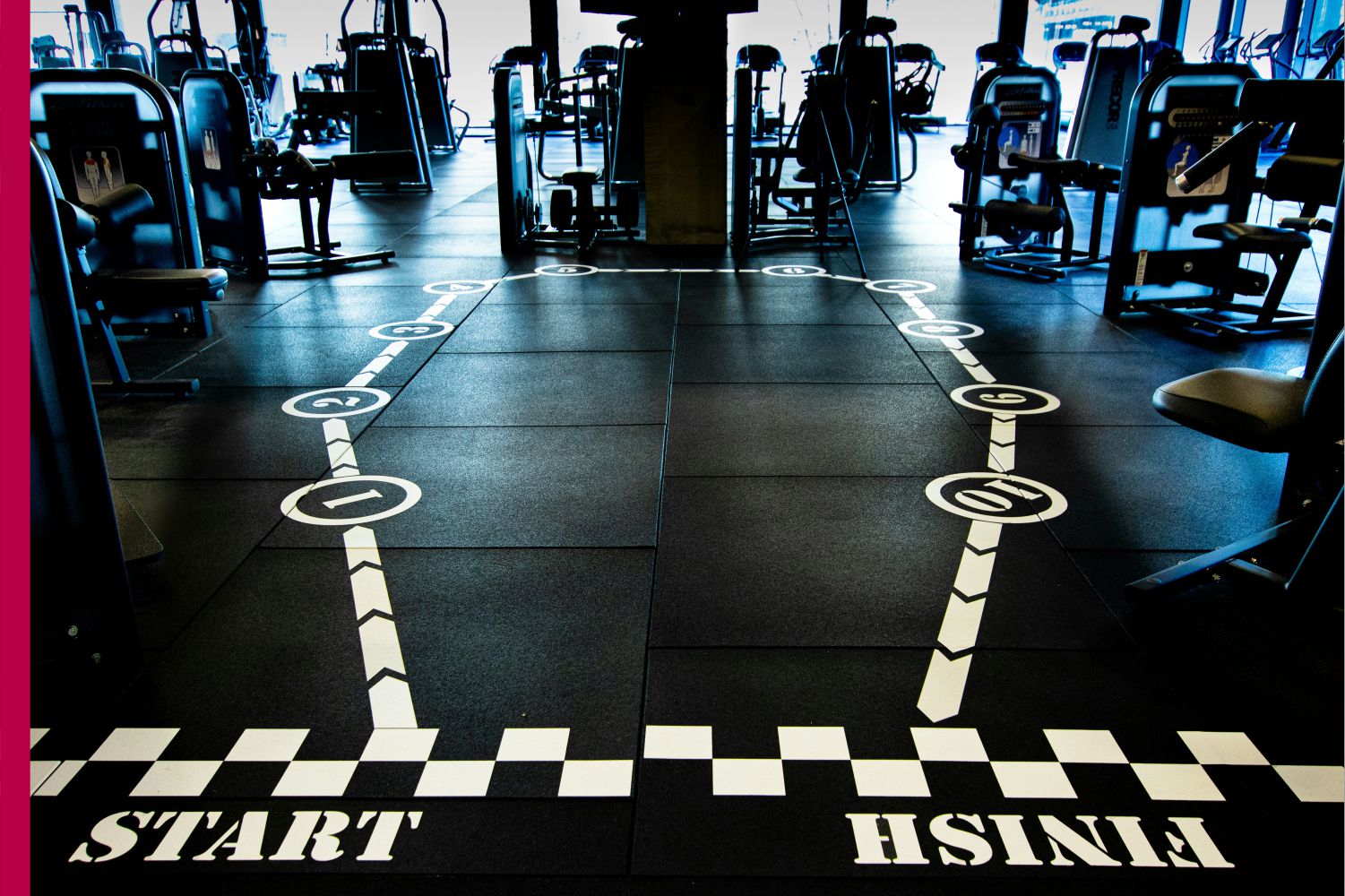


Texture design is a fundamental element in visual arts and design that brings surfaces to life by adding depth, detail, and realism. Whether in graphic design, digital art, 3D modeling, animation, interior design, or gaming, textures play a crucial role in how an object or surface is perceived. Texture design goes beyond appearance; it influences mood, realism, and user experience.
At its core, texture design refers to the creation or application of surface details that define how something looks and feels. Textures can be visual, suggesting roughness, smoothness, softness, or hardness, or physical, where actual materials can be touched. In digital environments, texture design simulates real-world surfaces such as wood, metal, fabric, stone, skin, and water, allowing virtual objects to appear believable and immersive.
One of the key purposes of texture design is realism. In fields like 3D modeling and game development, textures determine how light interacts with surfaces. Details such as scratches, wrinkles, dust, and reflections help objects feel natural rather than flat or artificial. A well-designed texture can transform a simple 3D model into a lifelike asset that enhances the overall visual quality of a scene.
Texture design also plays an important role in storytelling and emotion. Different textures can evoke different feelings. Smooth and polished textures often suggest elegance, luxury, or modernity, while rough or worn textures may convey age, struggle, or authenticity. Designers use texture intentionally to guide viewers’ emotions and reinforce the narrative of a design or artwork.
In graphic and web design, texture adds visual interest and depth. Subtle textures in backgrounds, typography, or interface elements prevent designs from looking overly plain or sterile. When used thoughtfully, textures improve readability and user engagement without overwhelming the viewer. Minimal texture use can create balance, while bold textures can make designs stand out.

The process of texture design involves observation, creativity, and technical skill. Designers may create textures by hand, photograph real materials, or use digital tools and software. In digital workflows, textures are often mapped onto objects using UV mapping techniques. Advanced methods such as procedural textures allow designers to generate complex patterns through algorithms, offering flexibility and efficiency.
Texture design also requires an understanding of scale and consistency. A texture that looks realistic up close must also work at a distance. Repetition, resolution, and seamless tiling are important factors, especially in large environments like game levels or architectural visualizations. Poor texture execution can break immersion, while good texture design enhances realism effortlessly.
As technology evolves, texture design continues to grow in importance. High-resolution displays, real-time rendering, and virtual reality demand more detailed and optimized textures. At the same time, designers must balance quality with performance, ensuring textures load efficiently without compromising visual impact.
In conclusion, texture design is a powerful visual tool that shapes how we perceive and interact with designs. By adding depth, realism, and emotional value, textures elevate creative work across industries. Mastery of texture design allows artists and designers to create richer, more immersive, and visually compelling experiences.