




Tee shirt design has evolved far beyond basic clothing; it has become a powerful medium of self-expression, branding, and storytelling. From bold graphics and clever typography to minimalist patterns and cultural statements, tee shirts today reflect personalities, movements, and trends. What was once considered a simple wardrobe essential is now a canvas for creativity and innovation.
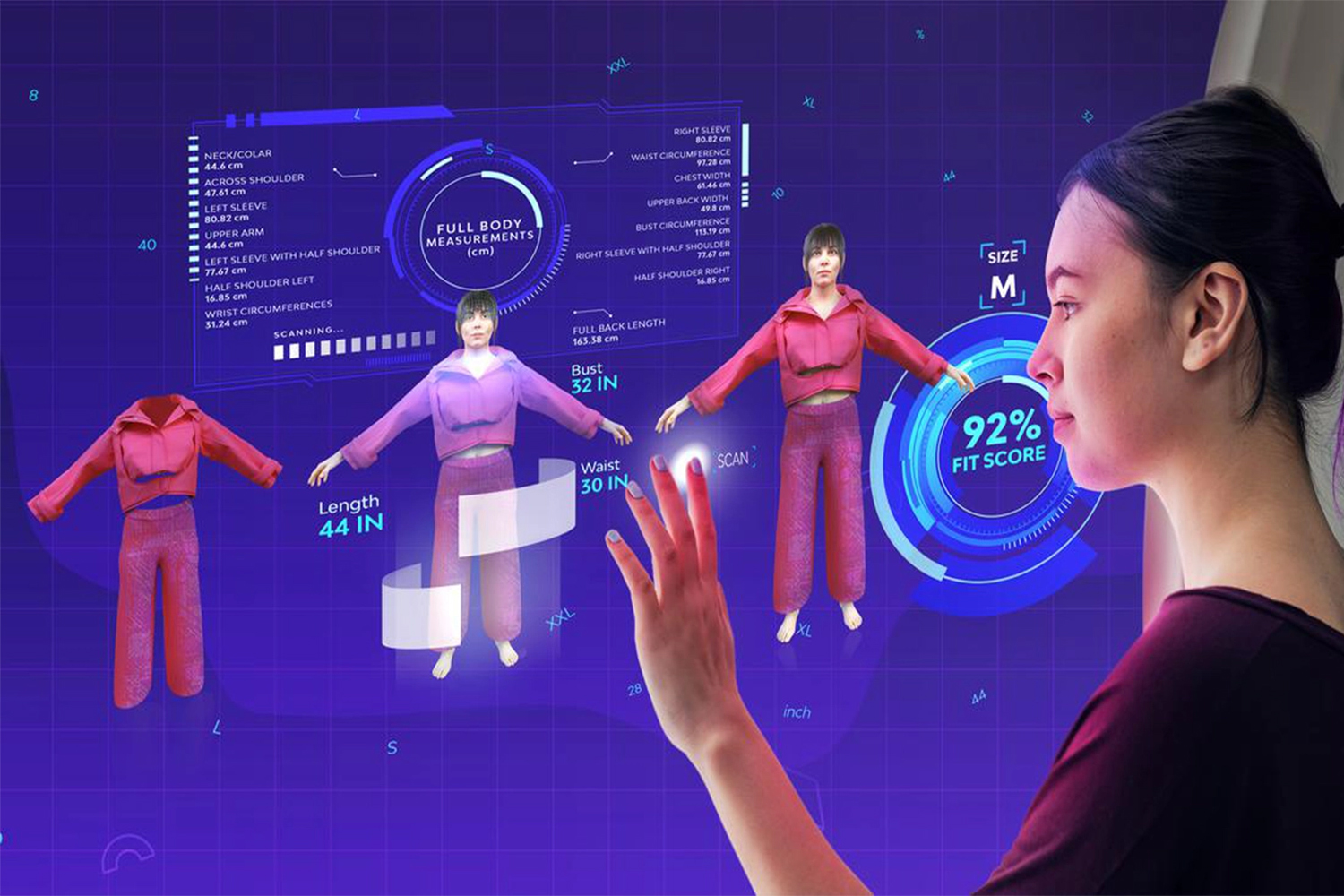
At its core, tee shirt design blends art with functionality. Designers must consider not only how a graphic looks on screen but how it translates onto fabric. Color combinations, fabric texture, print placement, and durability all play a vital role in the final outcome. A successful tee shirt design balances visual appeal with comfort, ensuring that people enjoy wearing it as much as they admire its design.
One of the most exciting aspects of tee shirt design is its accessibility. Anyone with an idea can become a designer. With the rise of digital design tools and print-on-demand services, independent artists and small brands can easily bring their concepts to life. This has led to a diverse and vibrant market where originality is valued more than mass production. Niche designs—whether inspired by pop culture, social causes, humor, or local traditions—often resonate deeply with specific audiences.
Typography plays a significant role in tee shirt design. A simple phrase, when paired with the right font, can make a strong statement. Hand-lettered styles add a personal touch, while bold sans-serif fonts convey confidence and modernity. Designers often experiment with font size, alignment, and spacing to create visual impact without overwhelming the wearer.

Illustrations and graphics are equally important. Some designs focus on intricate artwork, while others rely on clean, minimal visuals. Current trends include retro-inspired graphics, line art, abstract shapes, and eco-themed illustrations. Many designers also draw inspiration from street art, music, and global cultures, creating designs that feel fresh and relatable.
Another key element of tee shirt design is color selection. Colors evoke emotions and influence buying decisions. Bright colors can convey energy and fun, while neutral tones offer versatility and timeless appeal. Designers must also consider how colors interact with different fabric shades and printing techniques to maintain clarity and vibrancy.
Sustainability is increasingly shaping tee shirt design. Eco-conscious consumers are looking for designs printed on organic cotton, recycled fabrics, or using water-based inks. As a result, designers are now integrating ethical practices into their creative process, proving that style and responsibility can go hand in hand.
In conclusion, tee shirt design is more than just fashion it is a form of communication. It allows individuals to showcase their identity, businesses to build brand recognition, and artists to share their vision with the world. As trends continue to evolve, tee shirt design remains a dynamic and influential part of modern culture, celebrating creativity in its most wearable form.