




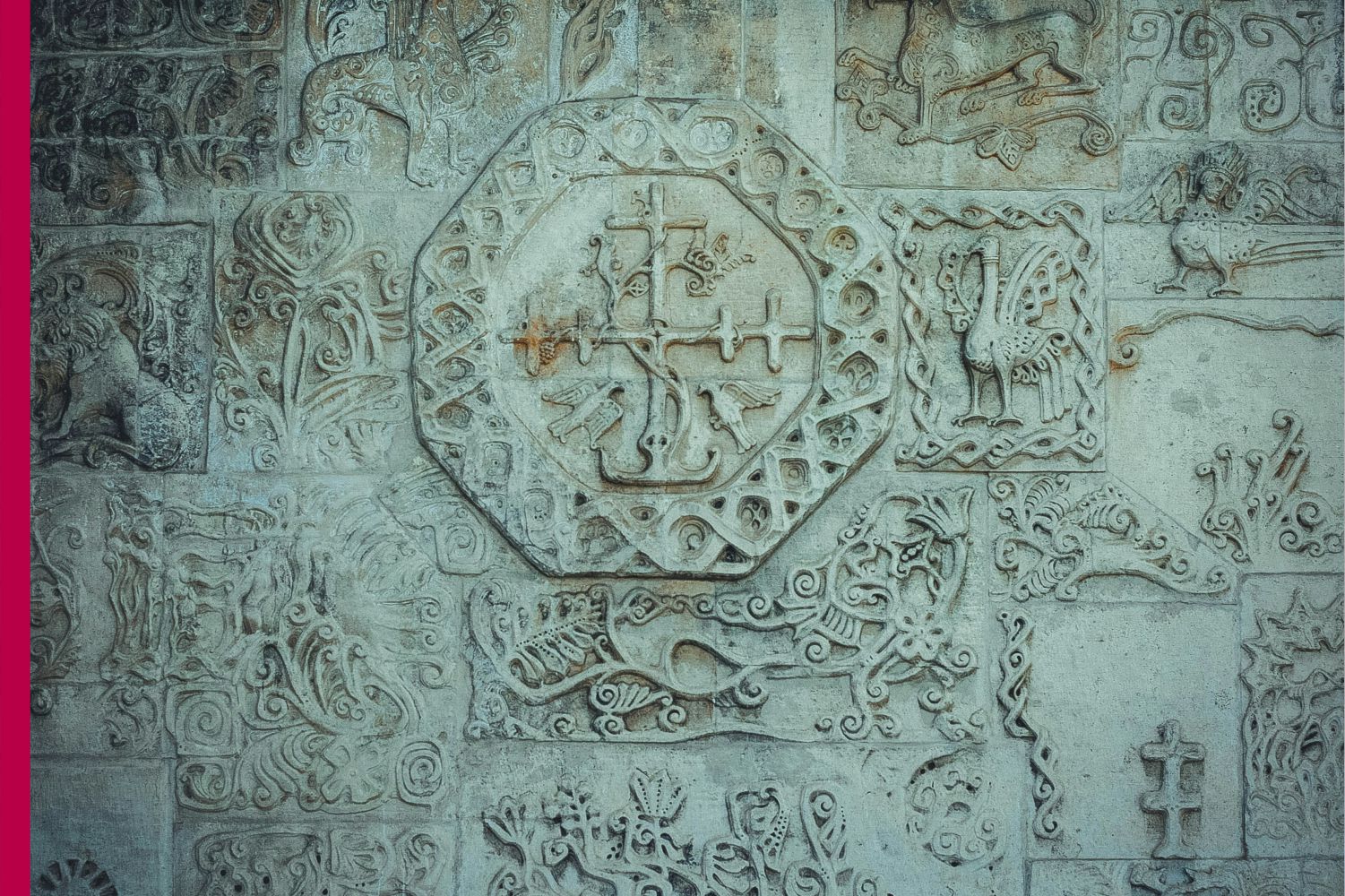
Stone carving is one of the oldest and most enduring forms of artistic expression known to humankind. From ancient temples and monuments to intricate sculptures and architectural details, stone carving has played a vital role in preserving culture, religion, and history. Despite modern technology and new materials, this traditional craft continues to inspire admiration for its skill, patience, and timeless beauty.
The origins of stone carving date back thousands of years, when early humans used basic tools to shape stones into symbols, tools, and figures. Civilizations such as the Egyptians, Greeks, Romans, and Indians elevated stone carving into a refined art form. Majestic pyramids, classical statues, and intricately carved temple walls stand today as evidence of the craftsmanship and dedication of ancient artisans. These creations were not merely decorative; they carried spiritual, political, and cultural significance.
Stone carving involves shaping natural stone such as marble, granite, limestone, sandstone, or soapstone using tools like chisels, hammers, and mallets. The process demands precision and foresight, as stone cannot be reshaped once material is removed. Each strike must be deliberate, making the art both physically demanding and mentally focused. Carvers often begin with a rough outline and gradually refine details, allowing the form to emerge naturally from the stone.
Beyond technical skill, stone carving requires deep artistic vision. The artist must visualize the final form hidden within the raw block and work patiently to reveal it. This philosophy has often been described as “freeing the sculpture from the stone.” The slow pace of the craft encourages mindfulness and respect for the material, fostering a strong connection between the artist and their work.
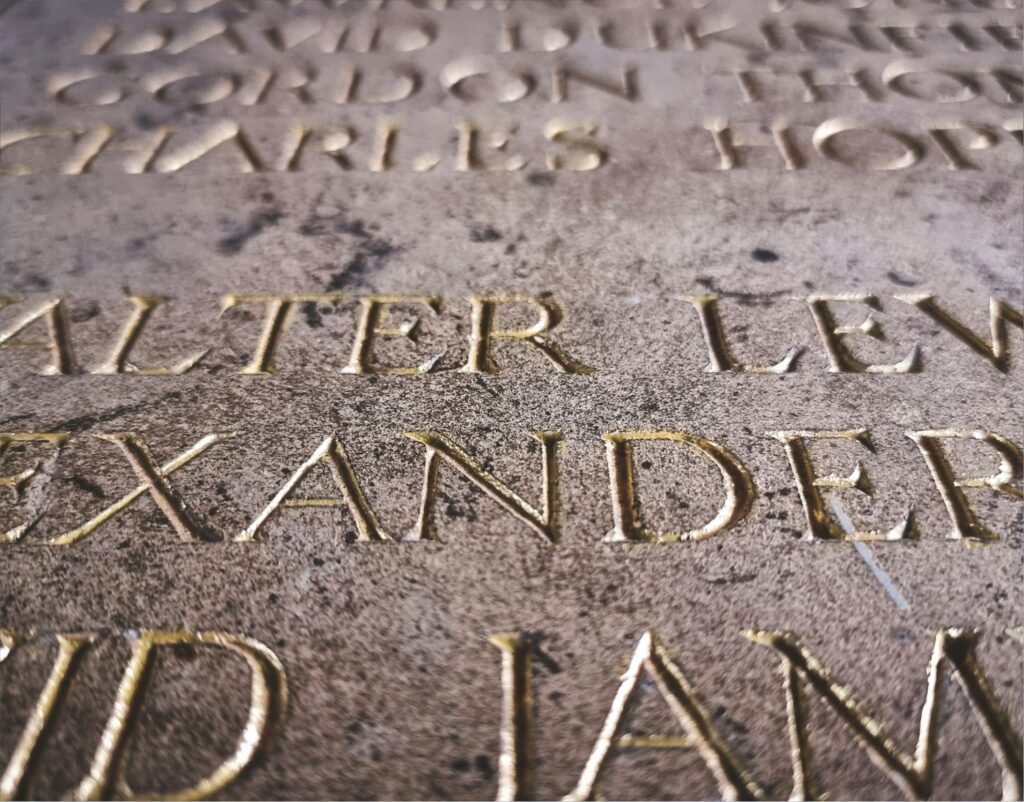
In architecture, stone carving adds character and elegance to structures. Decorative columns, arches, reliefs, and facades enhance the aesthetic appeal of buildings while also demonstrating cultural identity. In many historical monuments and temples, carvings narrate stories from mythology, religion, and everyday life, turning stone walls into visual storytellers that transcend time.
Stone carving continues to thrive in the modern world, blending tradition with contemporary design. Artists today create abstract sculptures, memorials, garden art, and customized installations that suit modern tastes while honoring ancient techniques. Advances in tools, such as pneumatic chisels and diamond-tipped equipment, have improved efficiency, but the essence of hand craftsmanship remains central to the art.
The value of stone carving lies in its durability and emotional depth. Unlike many modern materials, stone withstands time and weather, making it ideal for monuments and heritage structures. Each carved piece carries the mark of the artisan’s hand, giving it a sense of authenticity and permanence that mass-produced items cannot replicate.
In conclusion, stone carving is more than an art form—it is a dialogue between human creativity and nature’s strength. It connects past and present, preserving stories, beliefs, and beauty in solid form. As long as people value craftsmanship, culture, and enduring art, stone carving will continue to shape history, one chisel mark at a time.