







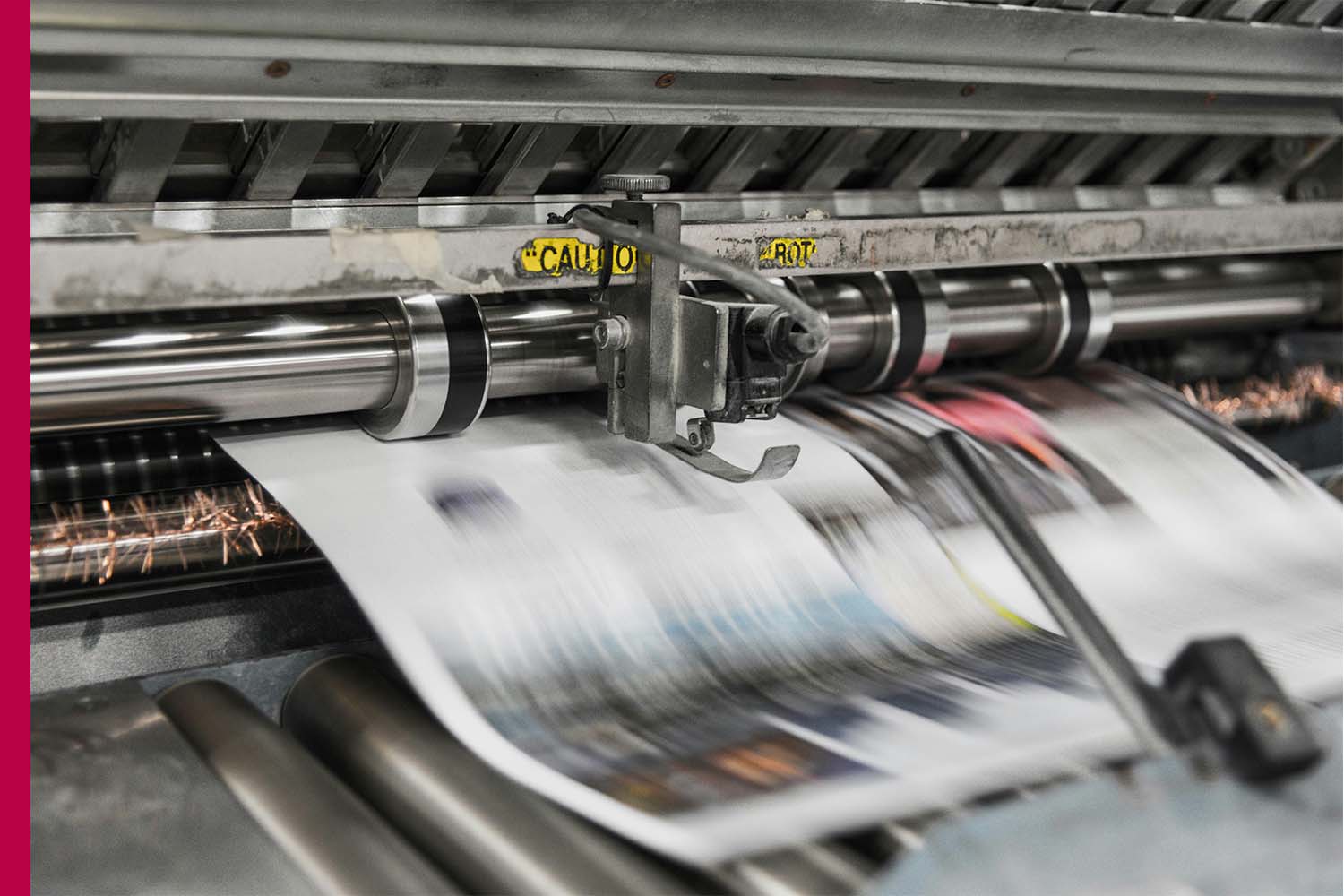
The printing press, once hailed as one of the greatest inventions in human history, has come a long way since Johannes Gutenberg first introduced movable type printing in the 15th century. What began as a revolutionary tool for mass-producing books and spreading knowledge has evolved into a highly advanced, technology-driven industry. Today, the printing press remains as relevant as ever—continuously adapting to meet the demands of the digital age while embracing sustainability, precision, and innovation.
In the past, printing was a manual and time-consuming process. Each page had to be carefully typeset, inked, and pressed onto paper. Fast forward to the present, and modern printing technologies have transformed this once laborious craft into a fast, efficient, and versatile process. Digital printing, offset printing, 3D printing, and eco-friendly printing techniques now dominate the industry, offering unprecedented speed, quality, and flexibility.
Digital printing has been one of the most significant advancements in recent decades. It allows for on-demand printing, making it ideal for small-scale projects, personalized materials, and fast turnarounds. Businesses use digital printers for brochures, flyers, posters, and customized packaging. The ability to print directly from digital files eliminates the need for traditional plates, reducing both cost and setup time. This technology has revolutionized the commercial printing industry, allowing for vibrant colors, detailed images, and precise reproduction.
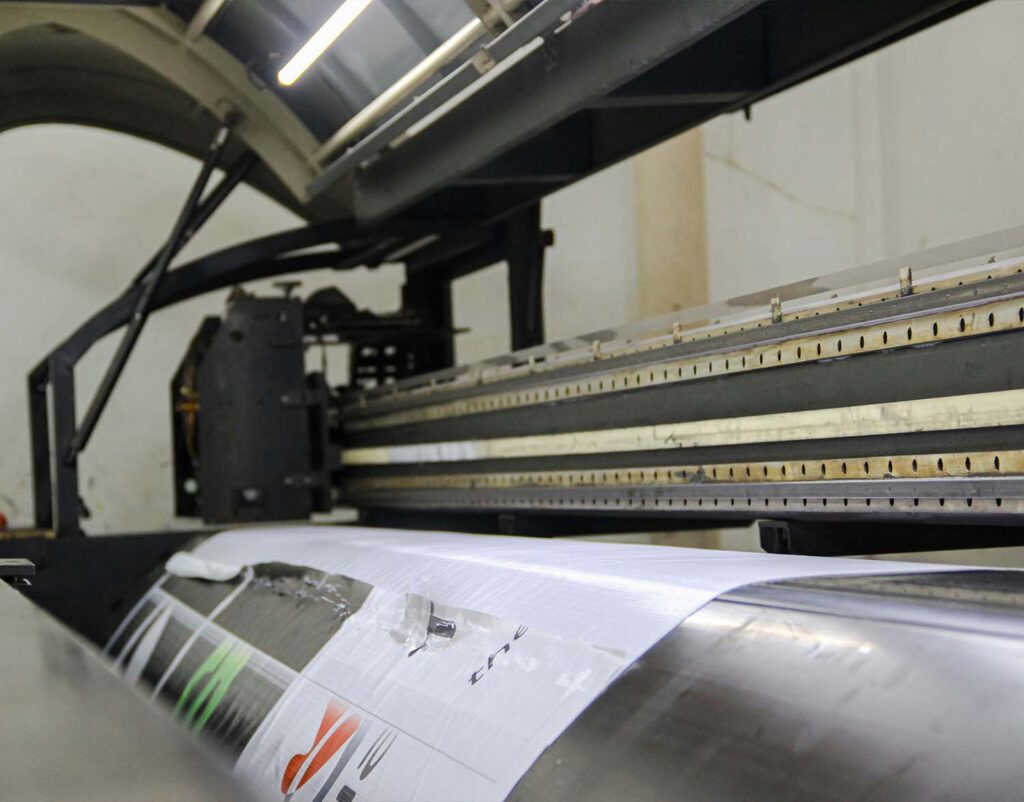
Meanwhile, offset printing remains the go-to method for large-scale, high-quality print production. Despite the rise of digital media, books, newspapers, and magazines continue to rely on offset printing for its accuracy, consistency, and cost-effectiveness in bulk printing. Many printing presses today combine offset and digital technologies, offering hybrid solutions that cater to both mass production and customization.
One of the most exciting developments in recent years is 3D printing, often called additive manufacturing. While not a traditional form of printing, 3D printing builds objects layer by layer using materials like plastic, resin, or metal. This technology is transforming industries such as healthcare, construction, and manufacturing. From creating medical prosthetics to architectural models and even food, 3D printing demonstrates how far the concept of the “printing press” has expanded beyond paper and ink.
Sustainability has also become a major focus in modern printing. Today’s printing presses are adopting eco-friendly practices such as using biodegradable inks, recycled paper, and energy-efficient machines. Waterless printing and soy-based inks reduce pollution, while digital workflows minimize waste by allowing precise quantity control. These innovations not only protect the environment but also appeal to eco-conscious consumers and businesses.
Despite the dominance of digital screens, printed materials continue to hold a unique power. The tactile experience of holding a beautifully printed magazine, business card, or book creates a sense of authenticity and trust that digital media often can’t replicate. Printing presses today balance this timeless appeal with the efficiency of modern technology, ensuring that print remains a vital part of communication and branding.
In conclusion, the printing press has evolved far beyond its origins, integrating advanced technology and sustainability into its core. From digital and offset printing to 3D innovations, the industry continues to adapt, proving that print is far from obsolete. In a world increasingly defined by screens, the printing press of today stands as a perfect example of tradition meeting innovation—where ink, ideas, and imagination come together to create lasting impact.